Key Highlights
Pennsylvania law usually lets you complete a home sale until a sheriff sale is finished.
Even with major damage, your real estate options may include an as-is listing or cash offer.
If missed mortgage payments are piling up, acting early can give you more control.
Damage often lowers value, but many home buyers and investors still purchase distressed property.
Disclosure matters in any Pennsylvania home sale, especially when serious defects are known.
Understanding timelines, paperwork, and pricing can help you avoid worse foreclosure process outcomes.
Introduction
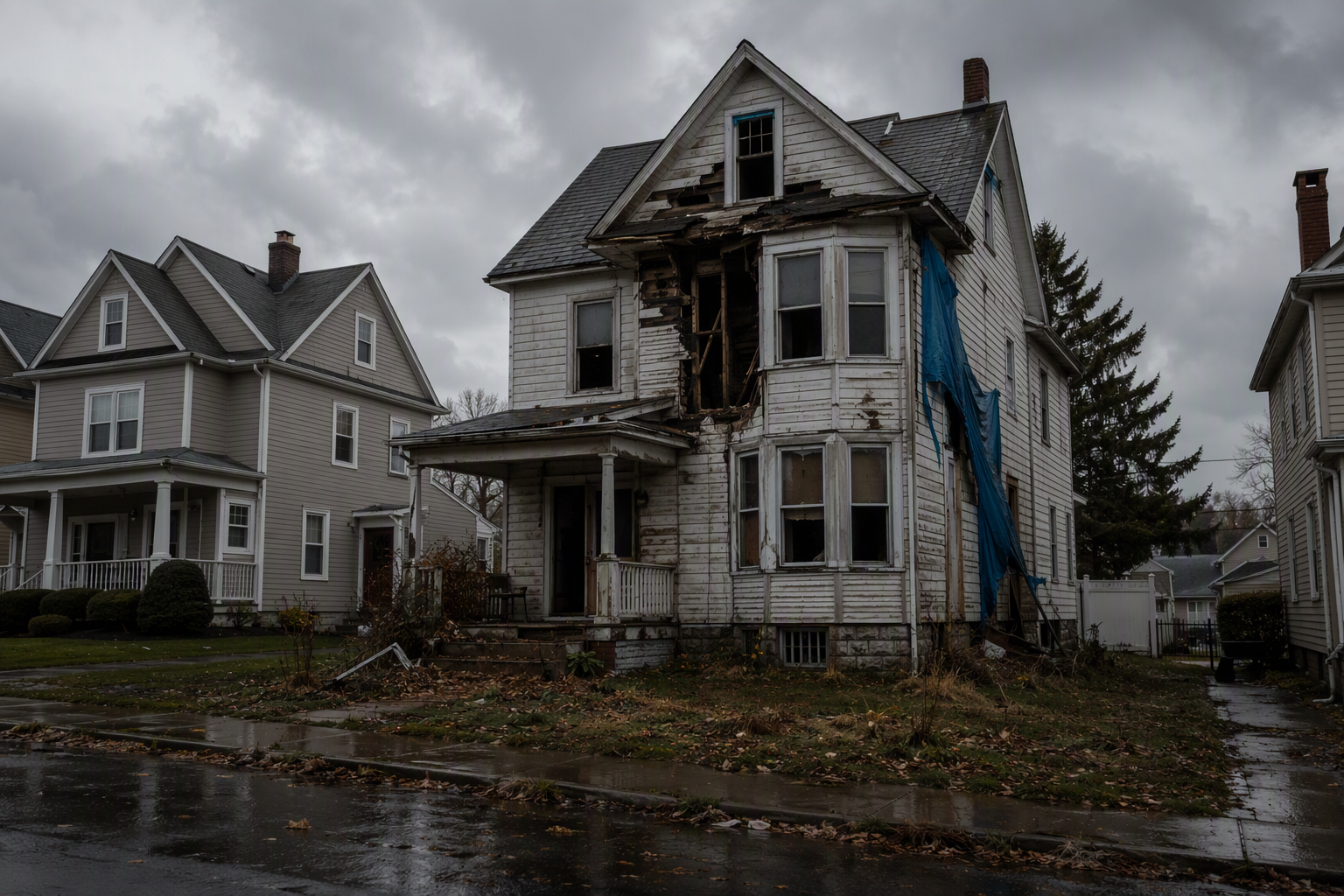
Yes, a Pennsylvania home with major damage can still be sold. That matters if you are worried about the foreclosure process, overdue payments, or a stressful home sale. Many owners assume severe damage ends their real estate options, but that is not true. In many cases, you can still list the property, sell it as-is, or work toward a faster sale before things get worse. The key is knowing your timeline, your legal duties, and what buyers will realistically accept.
Key Considerations When Selling a Damaged Home in Pennsylvania
Selling a damaged property starts with one basic question: how much time do you have? If mortgage payments are behind, timing can shape every real estate decision you make. Pennsylvania law may still allow a sale deep into the process, but waiting usually shrinks your options.
You also need to think about condition, pricing, and the type of home buyers you want to target. Some will want a discount. Others will only buy with cash. The next sections break down what counts as major damage and how it affects a sale.
Understanding Major Damage – What Qualifies?
Major damage usually means problems that go far beyond cosmetic wear. In a real estate setting, this can include serious structural issues, fire loss, flooding, or damage that makes normal financing harder. If the condition changes safety, livability, or repair cost in a big way, many buyers will treat it as major damage.
That matters because property damage affects how your home sale is priced and marketed. A buyer is not just looking at what the house is today. They are also judging how much work, money, and time it will take after closing.
In practical terms, major damage is anything likely to reduce buyer demand, lower value, or require clear disclosure. If you are unsure how your property fits, focus on how the damage changes usability, repair scope, and buyer risk in the real estate market.
Types of Property Damage Common in Pennsylvania Homes
Pennsylvania homeowners can face several types of serious damage, and each one affects a sale differently. Some problems scare off financed buyers. Others attract real estate investors who are used to repairs. What matters most is how the damage affects livability, cost, and confidence.
In many cases, the issue is not just visible destruction. Hidden conditions can make buyers more cautious and push them toward lower offers or added inspection requests.
Fire damage can leave structural concerns, smoke issues, and major cleanup costs.
Flood damage may affect walls, floors, systems, and long-term condition.
Storm-related water intrusion can create widespread repair needs.
Long-term neglect can worsen existing defects and reduce buyer appeal.
Severe interior or exterior damage may limit traditional financing options.
Because every property is different, Pennsylvania homeowners should evaluate damage honestly before listing. That makes pricing and buyer targeting much easier.
How Major Damage Affects Home Value and Appeal
Major damage almost always reduces home value. Buyers compare your property to safer, cleaner homes and then subtract repair costs, hassle, and risk. That can pull down market value fast, especially when the damage is obvious or expensive to fix.
At the same time, appeal changes just as much as price. Many home buyers want something they can move into quickly. If your house needs heavy work, the pool gets smaller. Traditional buyers may step back, while investors and cash buyers start to take more interest.
Still, a lower sale price does not mean no sale. In real estate, damaged homes can move if expectations are realistic. The right strategy is to match the condition to the right buyer, adjust home value expectations, and avoid pricing the property like a fully repaired house.
Can You Sell a Pennsylvania Home With Major Damage Before Foreclosure?
Yes, you can often sell a Pennsylvania home with major damage before foreclosure starts and even while the foreclosure process is moving forward. Pennsylvania law generally does not block a home sale before the sheriff sale is completed. If you are behind on mortgage payments, you may still have time.
The main issue is whether the sale will pay off what you owe. If it does, a regular sale may work. If not, a short sale may be needed. Next, it helps to understand your legal rights and timing.
Legal Rights for Homeowners Facing Foreclosure
Pennsylvania law gives homeowners more rights than many people realize. Because Pennsylvania uses a judicial foreclosure process, the lender must file a lawsuit and obtain a court judgment before a sheriff sale can happen. That means the process usually takes time, and you still own the property during that period.
You can generally sell the home up until the sheriff sale is completed and title transfers. That is the practical cutoff. There is not usually a post-sale right of redemption for most residential foreclosures in Pennsylvania, so the window closes once that transfer happens.
If a foreclosure complaint has been filed, get legal advice quickly. You may also receive protections such as an Act 91 notice and loss mitigation opportunities. Those rights do not erase the problem, but they can give you time to choose between a sale, negotiation, or another path.
Pre-Foreclosure vs. Foreclosure Sales Explained
A pre-foreclosure sale happens while you still own the property and before the sheriff sale finishes. You work with a real estate agent, accept an offer, and use the proceeds to pay the lender at closing. If damage causes the property to sell for less than what you owe, you may need a short sale with lender approval.
A foreclosure sale is different. Once the court process reaches the sheriff sale stage, the property is auctioned. That usually means less control, lower pricing, and more pressure.
For many owners, pre-foreclosure is the better path if there is still time to act.
Does Major Damage Change Your Selling Options?
Yes, major damage can make a home sale harder, but it does not make it impossible. The biggest change is the type of buyer you attract. Severe damage often pushes out move-in-ready buyers and brings in people looking for a discount or a project.
That shift usually means you need a different sales plan. Instead of aiming for a traditional retail sale, you may need to focus on speed, flexibility, and realistic pricing.
An as-is sale may appeal to buyers who expect repair work.
A cash offer can help when financing is difficult.
Real estate investors often buy damaged homes with fewer conditions.
A lower asking price may create faster interest.
Quick action matters if foreclosure deadlines are close.
So, yes, damage can make selling before foreclosure tougher. Still, it often opens different options rather than ending them.
Legal Obligations and Disclosure Requirements
A damaged property sale is not just about speed. You also need to think about disclosure laws and what home buyers are entitled to know. In Pennsylvania, honesty about known defects is a major part of the process.
Working with a real estate agent and, when needed, legal guidance can help you avoid mistakes. Clear disclosure can reduce conflict later and support a smoother transaction. The next sections explain what that means in practice.
Disclosure Laws for Major Damage in Pennsylvania
If you know about major damage, you should treat disclosure seriously. In a Pennsylvania home sale, known defects are not something to hide just because you are under pressure. Disclosure laws matter whether the property is in great condition or facing foreclosure.
That includes serious issues such as fire damage, flood damage, structural concerns, or other defects that affect value or livability. Buyers need an honest picture of what they are considering. If you fail to share known issues, problems can follow even after closing.
If you are unsure what must be disclosed, get legal advice before listing. A rushed sale is still a sale with legal duties. Being open about major damage can protect you, reduce disputes, and help buyers make an informed choice about the property.
Required Inspections and Certifications
Inspections often play a big role when a home has visible damage. Buyers want to understand repair scope, safety concerns, and whether the condition matches what was advertised. In a damaged home sale, inspections can shape price, contingencies, and closing speed.
The compiled information does not outline a special statewide certification requirement for all damaged homes, but Pennsylvania law still makes timing and disclosure important. A buyer may request inspections as part of the contract, and those findings can affect negotiations.
From a real estate standpoint, it helps to be ready for close scrutiny. If the property has already suffered major loss, expect buyers to examine it carefully. Good preparation means gathering what you know, being consistent in your disclosures, and understanding that inspections can change the final terms of the sale.
How to Properly Document and Disclose Damage to Buyers
Good documentation makes a damaged home sale easier. Buyers are more likely to move forward when the facts are organized. It also helps your real estate agent explain the property clearly and reduces confusion during negotiations.
Start with what you already know. If there has been fire, flooding, or another major event, gather any written records tied to the issue. The goal is not to make the property look perfect. The goal is to make the condition understandable.
Keep written records describing known damage and affected areas.
Save any repair estimates, invoices, or related reports you already have.
Share the same information with each buyer to stay consistent.
Review disclosure forms carefully before signing.
Strong documentation supports disclosure laws and shows buyers you are not hiding problems. That can build trust, even when the house needs serious work.
Steps to Sell a Damaged Home in Pennsylvania
If you want a damaged property sold, start with a plan. A rushed home sale without numbers, paperwork, or buyer strategy usually creates delays. That is even more true if mortgage payments are already behind and time is tight.
A real estate agent can help you understand value, likely demand, and how damage will affect the sale price. Before listing, it helps to prepare the property, set expectations, and gather the records buyers will ask for next.
Preparing Your Home for Sale – Even With Major Damage
You do not need to fully repair a damaged house before listing it. Still, basic home preparation matters. In the compiled information, even homes sold under pressure perform better when they are clean, accessible, and reasonably presented. That can improve buyer response.
Start with simple steps that make the property easier to view. Clear out obvious clutter, make entry safe, and organize damaged areas so buyers can assess them. You are not trying to disguise the condition. You are trying to make the house understandable.
A real estate agent can help you decide what to address and what to leave alone based on your timeline. For home buyers, presentation affects confidence. Even when major damage exists, a property that is accessible and straightforward often sells more effectively than one that feels chaotic.
Setting the Right Asking Price
Pricing is one of the most important decisions you will make. If your asking number ignores major damage, buyers may skip the property entirely. A damaged house needs a sale price that reflects current condition, repair burden, and the local market.
You also need to compare market value with what you owe. If home value still exceeds your mortgage balance and selling costs, a regular sale may protect your equity. If damage has pushed value below the debt, you may need to explore a short sale instead.
The best pricing approach starts with real numbers, not guesswork. Understand likely buyer demand, expected discounts, and your payoff amount. That helps you choose an asking price that attracts attention while still giving you a clear view of possible net proceeds.
What Documentation Do You Need Before Listing?
Before listing, gather the records that support pricing, disclosure, and closing. Missing documentation can slow your home sale and create surprises later. If foreclosure pressure is building, that delay can cost you valuable time.
You also want a clear picture of your financial side. The compiled information stresses knowing what your property is worth, what selling costs may look like, and how much would remain after payoff. That helps shape strategy and expected sale price.
Mortgage payoff information and current balance details
Records of other liens, such as tax liens or a HELOC
Written notes or reports about known damage
Any repair estimates or invoices you already have
Legal advice if foreclosure papers have been served
Solid documentation lets you price more accurately and move faster. It also helps prevent issues at closing when buyers, title professionals, and lenders review the file.
Marketing Strategies for Severely Damaged Properties
A severely damaged property needs different marketing than a move-in-ready house. Many home buyers will not want a big project, so your message should focus on the right audience from the start. That often means looking beyond traditional retail demand.
Cash buyer interest and outreach to real estate investors can be especially useful when repair issues limit financing. The goal is to connect condition, pricing, and market value in a way that feels clear and credible. Here is how to do that.
Targeting Real Estate Investors and Cash Buyers
Severely damaged houses often attract a different buyer pool. Instead of marketing only to owner-occupants, it can make sense to focus on real estate investors and each cash buyer who is comfortable taking on repairs. These buyers are usually less concerned about cosmetic issues and more focused on numbers.
That is helpful when you need a simpler home sale. Investors and cash buyers may move faster because they are used to distressed properties and as-is sale terms. They may also be more flexible when financing would be difficult for a traditional buyer.
Still, speed does not mean accepting any offer without review. You should compare terms, not just the top number. A lower cash offer with fewer hurdles may beat a higher offer that falls apart over condition, financing, or inspection concerns.
Effectively Communicating the Potential and Value
When a property has major damage, clear communication matters. Buyers need to understand both the current condition and the upside. If the listing only focuses on damage, interest may stall. If it ignores the damage, trust disappears quickly.
A strong real estate agent can help frame the property honestly while still showing its value. That might mean explaining location, lot appeal, layout, or the chance for renovation. Buyers want a reason the project is worth the effort, not just a list of problems.
This balance helps support your sale price. You are not pretending the home is worth full retail market value. You are showing why, despite the damage, the property still has real opportunity for the right buyer.
Highlighting Opportunities in “As-Is” Sales
An as-is sale can be a practical option when repairs are not realistic. It tells home buyers the seller does not plan to fix major defects before closing. That clarity can save time and attract people who are already prepared for a project.
Even so, as-is does not mean “say nothing” or “price anything.” Buyers still look at condition, compare offers, and judge whether the numbers work. A realistic sale price remains central.
An as-is sale may appeal to buyers who want renovation opportunities.
A cash offer can reduce delays tied to lender repair demands.
Honest pricing can bring stronger interest than inflated expectations.
Clear disclosures help buyers assess risk before making an offer.
For many distressed sellers, as-is marketing is less about giving up and more about choosing a path that matches the property and the deadline.
Buyer Perspectives on Purchasing Damaged Properties
To sell well, it helps to understand what home buyers are thinking. In real estate, damaged houses create a different kind of decision. Buyers are not only asking what the home is worth now. They are also asking what it could cost later.
That is why market value, repair risk, and the home inspection process carry so much weight. Some buyers see danger. Others see opportunity. The following sections show how those concerns shape offers and negotiations.
Common Concerns Buyers Have About Major Damage
Home buyers usually worry about three things with major property damage: cost, uncertainty, and resale risk. If the repair bill could grow after closing, buyers protect themselves by lowering offers or stepping away. That is especially true when damage appears severe or poorly documented.
A home inspection often increases those concerns. Buyers may fear hidden issues behind walls, under floors, or inside systems. Even when the visible damage is known, they wonder what else might be uncovered once work begins.
Market value also becomes a big question. Buyers do not want to overpay for a project home if the finished result still may not justify the investment. When you understand these concerns, you can respond with realistic pricing, straightforward disclosures, and a cleaner presentation of the property’s condition.
Negotiating With Buyers Who Want to Renovate
Buyers planning a renovation usually approach the deal differently from standard home buyers. They tend to calculate purchase cost, repair expense, and expected value after improvements. That means their offers may feel aggressive, but they are often built around project math.
During negotiation, your job is to stay grounded in facts. Know your likely sale price range, understand what the property offers beyond the damage, and avoid reacting emotionally to low starting numbers. Investors and renovators often expect back-and-forth.
A productive negotiation focuses on total terms, not just one figure. A slightly lower price may still work if the buyer moves fast, limits contingencies, and closes on time. When foreclosure pressure exists, certainty can matter almost as much as the final number.
The Role of Home Inspections in Offers and Closings
In damaged property sales, the home inspection can shape the entire transaction. Buyers use it to confirm condition, estimate repair scope, and decide whether the deal still makes sense. If the findings are worse than expected, the sale price may be challenged.
This is one reason clear upfront disclosure matters. A real estate agent who sets accurate expectations can reduce shock later. When buyers walk in already understanding the major issues, inspection results are less likely to derail the process.
Inspections can also affect the closing date. Requests for more time, price changes, or contract cancellations often follow surprising findings. If your timeline is tight, especially near foreclosure deadlines, try to avoid preventable surprises by being open about the home’s known condition from the start.
Exploring Repair Options and Financial Assistance
Not every seller has to choose between a full renovation and doing nothing. Depending on your financial situation, limited repairs or temporary help may improve your position before a home sale. That can matter if damage is serious but still manageable.
Pennsylvania homeowners may also have foreclosure-related support options through mortgage assistance channels, including the Pennsylvania Housing Finance Agency. The next sections explain when repair help may be available and when selling without repairs may make more sense.
Can You Secure Grants or Loans for Repairs in Pennsylvania?
If you are trying to avoid foreclosure, it is reasonable to ask whether help is available before selling. The compiled information points to mortgage assistance and foreclosure prevention resources through the Pennsylvania Housing Finance Agency, especially after an Act 91 notice.
That does not automatically mean repair grants or loans will fit every case, but it does mean Pennsylvania homeowners may have programs or counseling routes worth checking quickly. You may also be able to explore loss mitigation, reinstatement figures, or other tools that improve your timeline.
If your goal is to repair and then sell, act early. Assistance discussions, lender communication, and any possible support through the housing finance agency take time. When foreclosure is already moving, waiting too long can leave you without enough runway to complete repairs before a sale.
When Is Repairing Before Selling Worth It?
Repairing before selling can make sense, but only if the numbers work and the timeline allows it. If the damage is preventing showings, scaring off most buyers, or sharply reducing home value, limited repair work may improve your outcome. Still, not every project is worth the cost.
Your financial situation should guide the decision. If funds are tight and foreclosure pressure is increasing, a large repair plan may create more risk than benefit. Focus on whether the work would meaningfully improve market value or buyer confidence.
Repair if a modest fix could improve access, safety, or presentation.
Skip major work if deadlines are close and payoff pressure is rising.
Consider value gained versus money spent, not emotion alone.
Weigh whether repairs would open more buyer interest or financing options.
The best choice is the one that protects time, equity, and flexibility.
Alternative Solutions if You Can’t Afford Repairs
If repairs are out of reach, you still have options. Many distressed owners move forward with an as-is home sale rather than trying to fix everything first. That approach can save time and lower stress when your financial situation is already stretched.
A cash offer may be especially useful in this situation. Real estate investors often buy damaged properties without requiring the seller to complete repairs. That can reduce delays and make the process more workable when financing problems would push traditional buyers away.
If the expected sale price will not cover the debt because of the damage, a short sale may be another path. That requires lender approval, but it can still be better than allowing foreclosure to finish. The right option depends on value, timing, and what you can realistically handle now.
What If Your Damaged Pennsylvania Home Doesn’t Sell Before Foreclosure?
If your damaged home does not sell before the foreclosure process ends, the case can continue toward a foreclosure sale. In Pennsylvania, that usually means the lender completes the court process and the property goes to a sheriff sale. Once that sale is completed and title transfers, your ownership rights end. At that point, a normal home sale is no longer available to you.
The financial impact can be serious. Damaged properties often bring less at auction than in a regular market sale, and that can reduce or wipe out any remaining equity. Mortgage debt, legal costs, late charges, and related fees may all affect the outcome. If a sale has not happened and the sheriff sale is approaching, immediate action becomes critical.
How Foreclosure Impacts Properties With Major Damage
Major damage usually makes a foreclosure sale outcome worse. Auction buyers often seek discounted properties, and a damaged house can sell even further below market value than a typical distressed home. That means less money is available to cover what you owe.
When sale proceeds are lower, mortgage debt, court costs, attorney fees, and other charges consume more of the result. If there was equity before, much of it may disappear. This is why selling before the process finishes is often financially stronger than waiting for auction.
There is also a credit impact. Missed payments already hurt, but a completed foreclosure is generally more damaging to your credit score and stays on the credit report for years. In short, severe damage can increase the downside of foreclosure by lowering price and shrinking recovery.
Final Steps If You Can’t Sell in Time
If you cannot sell before the deadline, focus on the final steps that may still help you protect time and make informed choices. Pennsylvania’s foreclosure process has clear stages, and once an auction date is set, every day counts.
You still need accurate numbers. Confirm your mortgage balance, review any liens, and understand whether a last-minute sale or lender communication is still possible. Remember, the practical cutoff is the completed sheriff sale, and Pennsylvania usually does not offer a post-sale right of redemption for most residential cases.
Confirm the auction date and how much time remains.
Ask for the exact payoff or reinstatement figure in writing.
Speak with a Pennsylvania attorney about remaining legal options.
Review whether any active buyer can close before the foreclosure sale.
These steps may not solve everything, but they can help you act with clarity instead of panic.
Conclusion
In conclusion, selling a home with major damage in Pennsylvania can be a complex yet feasible process. Understanding the necessary steps, from accurately disclosing damage to effectively marketing your property, is crucial for navigating this challenging situation. By preparing your home properly and setting a realistic asking price, you can attract the right buyers, including real estate investors looking for opportunities. Remember to leverage your legal rights and consider all available repair options and financial assistance. If you find yourself overwhelmed, don’t hesitate to reach out for professional guidance. For personalized assistance, get a free consultation today to explore the best strategies for your unique situation.
Frequently Asked Questions
Do I have to tell buyers about every major repair issue?
If you know about major damage, you should disclose it. Under disclosure laws and Pennsylvania law, known serious defects matter to home buyers. A real estate agent can help with forms, but if you are unsure about a specific issue, getting legal guidance is the safest move.
How fast can a severely damaged house really sell in Pennsylvania?
Speed depends on condition, pricing, and buyer type. If you need to sell your house fast, realistic sale price expectations and interest from a cash offer buyer or real estate investors may help. In the foreclosure process, moving early usually gives you more options and fewer delays.
What happens if my home sells for less than what I owe due to its damage?
If the sale price will not cover your mortgage debt because of damage, a short sale may be necessary. That usually requires lender approval. During the foreclosure process, Pennsylvania law may still allow the sale before the sheriff sale is completed, but you need to act quickly.