Key Highlights
Pennsylvania homeowners may use a property tax refund as a lump sum for mortgage payments if their lender accepts it.
A rebate does not directly stop foreclosure proceedings or cancel a sheriff sale on its own.
The Property Tax/Rent Rebate Program focuses on property taxes and rent rebate support, not direct mortgage relief.
PAHAF assistance may help with mortgage delinquencies, reinstatement, and due property taxes.
Lender policies matter when applying funds to arrears.
Fast action is important once payments are missed.
Introduction
Many Pennsylvania homeowners wonder if a tax refund can save a home when mortgage payments start falling behind. The short answer is that a refund may help as cash in hand, but it is not a built-in foreclosure defense. Programs in Pennsylvania treat property taxes and mortgage relief differently. That means you need to know what a rebate can do, what it cannot do, and where separate financial assistance may fit if you are already under pressure.
Understanding Foreclosure Risk for Pennsylvania Homeowners
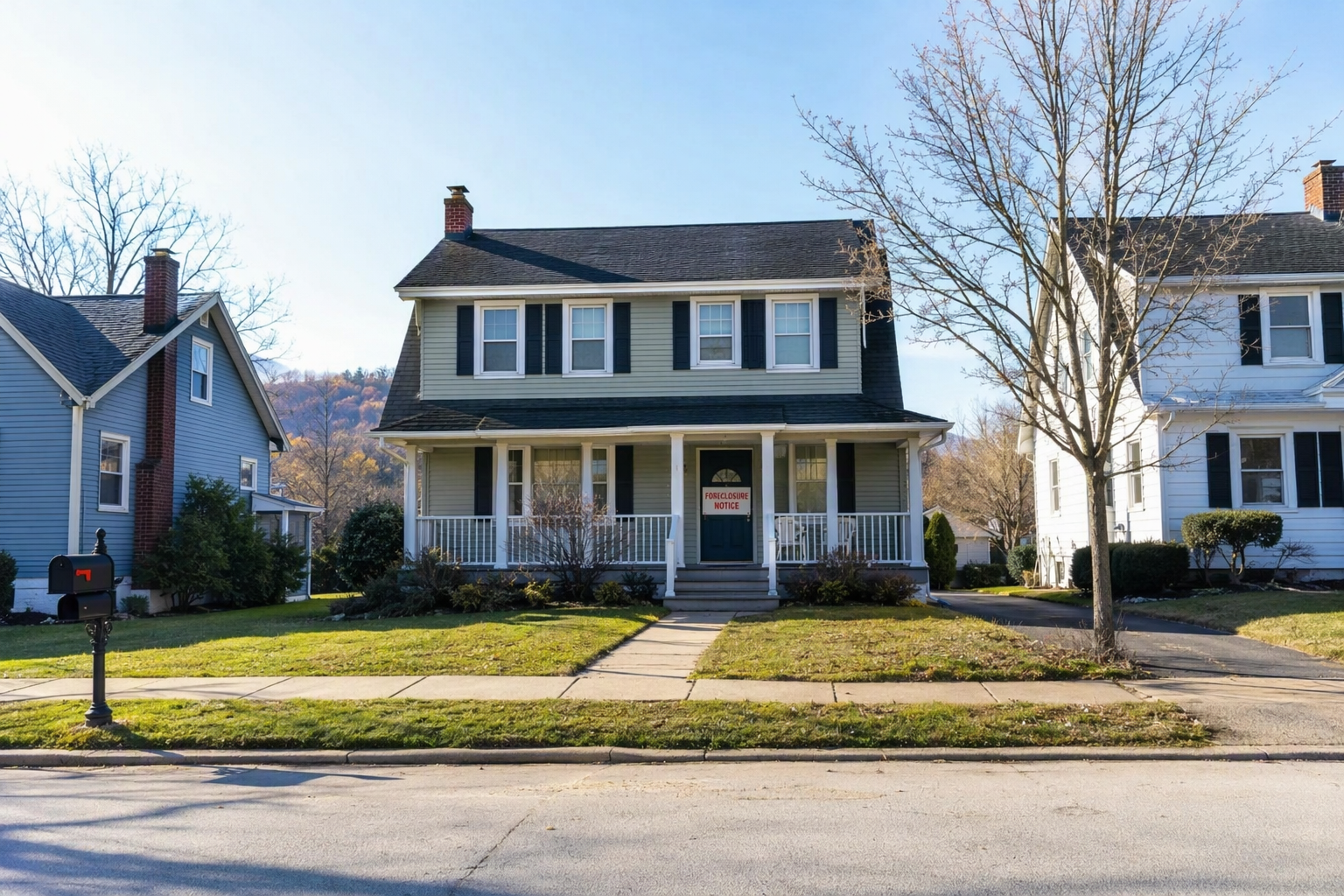
Once delinquent payments begin, risk rises quickly for Pennsylvania homeowners. Missed mortgage payments can grow into mortgage delinquencies, added costs, and foreclosure proceedings if the problem is not addressed early.
As for the rules, the compiled information does not show a special Pennsylvania rule that requires a property tax refund to be used a certain way in a mortgage default. In practice, a refund may be available as money you can try to use toward arrears, but a sheriff sale or other foreclosure proceedings will usually depend on timing, your loan status, and your lender’s response.
Causes and Stages of Mortgage Default in Pennsylvania
For many households, default starts when regular mortgage payments no longer fit the budget. A drop in household income can make even one missed bill hard to recover from. If the gap continues, delinquent payments begin to pile up.
In recent years, pandemic related financial hardships have been a major reason homeowners sought help. The compiled information specifically ties PAHAF assistance to avoiding default, foreclosure, and displacement caused by COVID-19 related setbacks.
Your type of mortgage also affects which help may apply. The available financial assistance in the provided material includes PAHAF support for mortgage reinstatement, some housing-related costs, due property taxes, and delinquent utilities. Forward mortgage assistance is no longer accepting new applications, though some eligible applications may still be processed if funding exists.
Impact of Missed Payments on Homeownership
Missing mortgage payments does more than create a past-due balance. It can place stress on your monthly income, limit your options, and increase urgency with your loan servicer.
As the unpaid amount grows, foreclosure proceedings may become harder to manage. The compiled information does not say that a property tax refund automatically protects your home’s value or halts legal action. It also does not state that lenders must accept that refund as a cure.
So, can a Pennsylvania homeowner use a property tax refund to pay off mortgage arrears and prevent foreclosure? Potentially, yes, if the refund gives you enough cash to make a meaningful payment and your loan servicer accepts it. Still, the refund itself is not guaranteed mortgage payment assistance, and it does not replace formal relief programs.
The Pennsylvania Property Tax/Rent Rebate Program Explained
The Property Tax/Rent Rebate Program is aimed at easing the burden of property taxes or rent costs. In simple terms, it provides a property tax refund or rent rebate support rather than direct mortgage help.
That distinction matters. Based on the provided material, the rebate of Pennsylvania property tax is separate from mortgage relief tools like PAHAF assistance. So, does the rent rebate program directly assist with mortgage payments? No. It may improve your cash flow, but it is not designed as a direct mortgage payment program. Next, let’s look at eligibility and payment details.
Eligibility Requirements for 2024 Applications
The provided information gives several terms tied to the rebate process, including household income, status of your property tax, school district code, and rebate application. It does not provide a full step-by-step filing rulebook, but it does show the key items homeowners should be ready to review.
If your mortgage is in default, you can still focus on the rebate process itself while also dealing with the mortgage problem separately. In that sense, default does not change the basic purpose of the property tax refund.
Check your household income details before submitting a rebate application.
Confirm the status of your property tax records and have your school district code ready.
Track eligible applications and related updates, such as “Where’s My Rebate,” reminder letter notices, or a video guide if offered.
How Rebates Are Calculated and Disbursed
The source material does not provide a full formula showing how total income, tax bills, standard rebate, or supplemental rebates are calculated. It also does not spell out an exact disbursement timeline. That means any answer here must stay narrow and based only on the provided terms.
What we can say is simple: under program policy, a rebate is tied to property taxes or rent rebate support, not to direct mortgage servicing. If funds are issued to you, they may become available cash, but that does not convert the rebate into a mortgage program.
So, overpaid property taxes may result in a refund in some situations, but the provided information does not guarantee that such funds will cover missed mortgage payments.
Using Property Tax Refunds to Address Mortgage Arrears
A property tax refund can help because it gives you money that may be used for urgent bills, including mortgage payments. For homeowners facing mortgage arrears, even a small lump sum can matter.
Still, the refund is not the same as a formal cure for mortgage delinquencies. The material does not say the Pennsylvania Property Tax/Rent Rebate refund is automatically applied toward a defaulted mortgage. In real terms, it is possible only if you receive the funds in time and your lender accepts payment terms that move you closer to a resolution.
Applying Refunds Toward Past-Due Mortgage Payments
If you receive a rebate, you may want to use it as a lump sum toward mortgage arrears. That can be a practical first step when you need to show movement on a past-due account.
Even so, a refund should be viewed as available cash, not guaranteed mortgage payment assistance. The compiled information does not state that rebate funds must be accepted as a reinstatement payment or that they automatically cure default.
Can a Pennsylvania homeowner use their property tax refund to pay off mortgage arrears and prevent foreclosure? Yes, possibly, if the amount helps and the servicer applies it in a useful way. But for larger balances, many borrowers may need broader help such as PAHAF assistance, especially when arrears include housing-related costs beyond the missed monthly payment.
Lender Policies and Restrictions on Using Rebates
Lender policies are a major part of this issue. The provided material does not list a statewide rule that limits how homeowners spend a rebate after they receive it. That means the bigger question is often how a lender handles the payment.
For example, a servicer may still require a larger catch-up amount, a formal workout, or review of loan modifications before changing the loan’s approval status. A small rebate may help, but it may not be enough by itself.
The source does not show a direct state spending restriction on rebate funds.
Your lender policies may control whether partial payments are accepted.
Separate aid like PAHAF has its own program policy and maximum amount of assistance, which is different from a rebate.
Other Financial Assistance Options for At-Risk Homeowners
If a rebate is not enough, other financial assistance may offer stronger relief. The main option in the provided information is PAHAF assistance, which was created to address mortgage delinquencies and reduce the risk of foreclosure and displacement tied to pandemic hardship.
Under program policy, PAHAF includes mortgage reinstatement, support for due property taxes, and help with delinquent utilities. The maximum utility assistance is $10,000, while the maximum amount of combined help per homeowner is $50,000. The next sections break down how those options work and where counseling may support your next move.
Mortgage Reinstatement Programs in Pennsylvania
PAHAF mortgage reinstatement can provide funds to bring a first mortgage current and pay certain housing-related costs, such as taxes and insurance, if those charges are included in the mortgage payment. For many borrowers, that is much stronger support than a small rebate alone.
The source also explains limits. PAHAF does not cover principal reductions on completed loan modifications or partial claims. It also does not cover balloon payments. That matters if your default is tied to a more complex loan structure.
As for forward mortgage support, the PAHAF program is no longer accepting new applications, though some previously eligible applications may still be processed if funding remains. So, can a property tax rebate help with mortgage reinstatement? It may help as extra cash, but the emergency mortgage assistance program type of relief comes from PAHAF, not the rebate itself.
Accessing Housing Counseling and Support Services
When your financial situation is changing fast, housing counseling can help you organize the problem. The NLP terms provided point to a housing finance agency and the Pennsylvania Housing Finance Agency, which connects naturally with the PAHAF program discussed in the source material.
The compiled information does not give a separate housing counseling application guide, but it does show that available aid depends on program rules, funding, and whether new applications are open. That is especially important because forward mortgage help is closed to new applications.
Review your financial situation before asking about maximum assistance.
Check whether the help you need is tied to open or closed new applications.
Use housing counseling or a housing finance agency resource to understand how rebate issues and mortgage aid fit together.
Frequently Asked Questions
Common queries often arise regarding mortgage assistance and tax refunds for Pennsylvania homeowners. Many wonder if a tax refund can be utilized to settle delinquent mortgage payments or related property taxes. Answers can vary, but solutions like loan modifications or applying for the Pennsylvania Housing Finance Agency (PHFA) assistance programs may offer paths to resolve financial challenges. Staying informed about available funding and understanding program policies are crucial steps in navigating the complexities of mortgage delinquencies and avoiding foreclosure.
Can a property tax refund be used to cover missed mortgage payments?
Yes, a property tax refund may be used as available cash for missed mortgage payments or mortgage arrears. Still, mortgage delinquencies are not erased automatically. Lender policies decide whether a payment is accepted, how it is applied, and whether it is enough to change the default status.
Is a property tax rebate considered income by mortgage lenders?
The provided material does not say that a property tax rebate is treated as household income by mortgage lenders. It is better to view it as a payment source rather than a clear income category. Any effect on approval status would depend on lender review, not rebate program policy alone.
Will receiving a rebate delay or stop foreclosure proceedings?
No automatic rule in the provided information says a property tax rebate will delay foreclosure proceedings, create an automatic stay, or stop a sheriff’s sale. A rebate may help if you can use it quickly toward arrears, but it is not a built-in legal pause on the foreclosure process.
Conclusion
In conclusion, understanding the potential of a Pennsylvania homeowner's tax refund is crucial in navigating financial challenges and preventing foreclosure. This tax refund can serve as a vital lifeline for those at risk, allowing them to address mortgage arrears and maintain their homes. However, it is important to be aware of lender policies and explore additional financial assistance options such as mortgage reinstatement programs and housing counseling services. By leveraging these resources, homeowners can take proactive steps to safeguard their future. If you're facing difficulties, don’t hesitate to reach out for personalized advice or support; you’re not alone in this journey.