Key Highlights
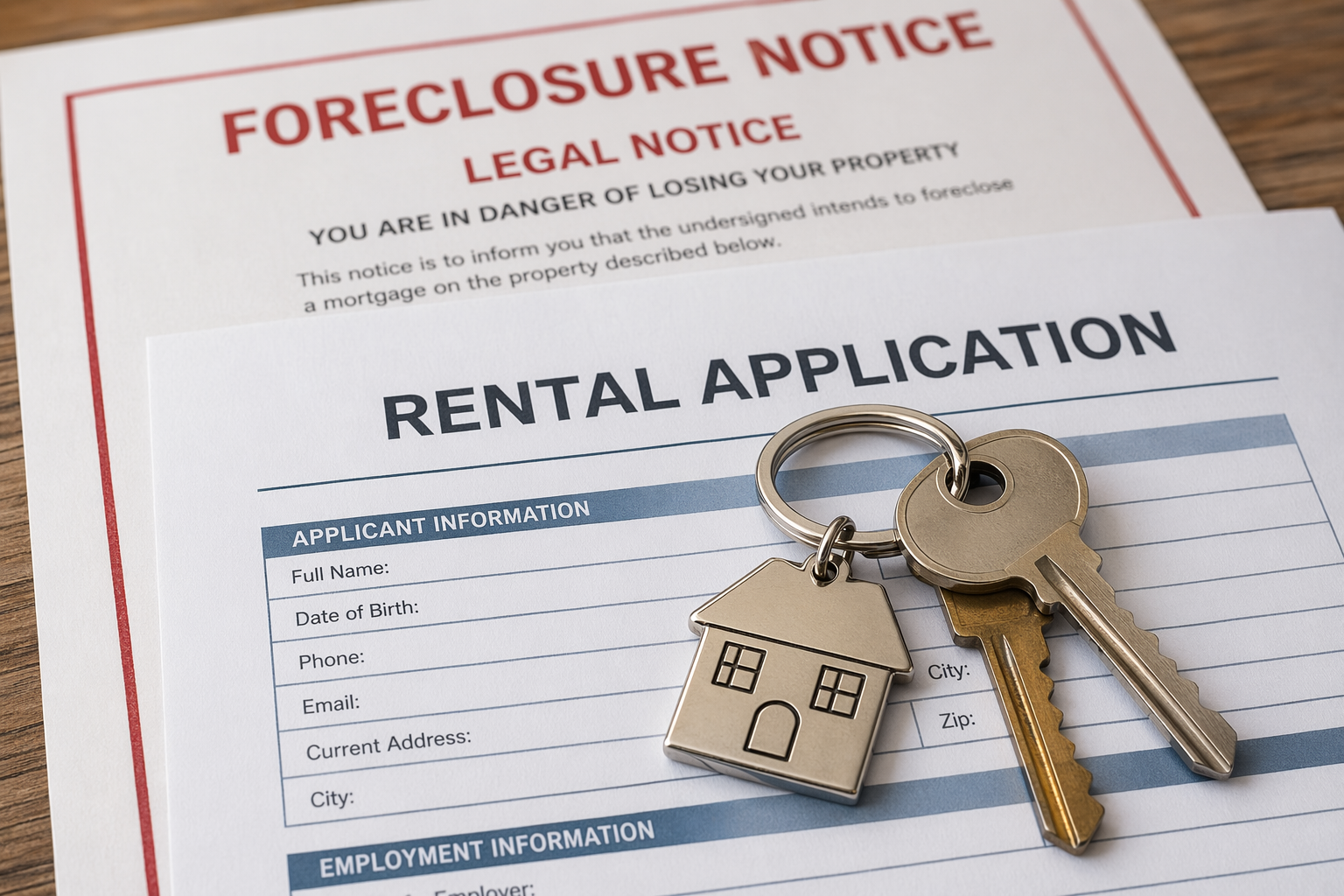
A foreclosure can affect your housing search, especially when a landlord reviews your credit history and rental application.
If you are a tenant, foreclosure does not automatically end your tenant rights or trigger an immediate eviction.
Federal protecting tenants rules may require a new owner to honor your lease or give 90 days’ notice.
A foreclosure on rental properties can create confusion about rent payments, property maintenance, and security deposit handling.
Some landlords may ask questions about past foreclosure, but your full record and current stability still matter.
Introduction
If you are worried that a foreclosure process could hurt your ability to rent again, you are not alone. Many renters and former homeowners wonder what a future landlord will see, whether rent payments still have to be made, and what rights a tenant keeps when ownership changes. The good news is that foreclosure does not erase legal protections. Your situation depends on whether you were renting, owned the home, and how the foreclosure process affects the property and your lease.
Understanding Foreclosure and Its Impact on Renters
Foreclosure happens when mortgage payments are not made and a lender takes legal action that can lead to a foreclosure sale. For renters living in affected rental properties, this can be stressful. You may suddenly face a new owner, unclear instructions, or concerns about eviction.
Still, tenant rights do not disappear just because the property enters the foreclosure process. In many cases, your lease term matters, and federal rules protect qualifying tenants from being forced out too quickly. That makes it important to understand exactly how foreclosure works and what protections may apply to you.
What Is Foreclosure and How Does It Occur in the United States?
Foreclosure is the legal process a lender uses when mortgage payments are not made. It usually begins after a homeowner or landlord-owner defaults on the loan tied to the residential property. From there, the foreclosure process can move toward a foreclosure sale and a transfer of ownership.
In the United States, this can happen through judicial or non-judicial foreclosure, depending on the foreclosure case and local law. The law can apply to single family homes, condos, and multi-unit rental properties. After the sale, transfer of title often places the home under a purchaser or new owner.
If a previous foreclosure appears in your credit history, it may affect your chances of approval for new housing because landlords and property managers often review credit reports and credit scores. That said, a foreclosure does not tell the whole story. Some landlords may also consider your recent rent payments, references, and overall rental application.
The Immediate Effects of Foreclosure on Tenant Rights
When a foreclosure hits a rental home, many tenants fear instant eviction. In most situations, that is not how it works. Federal protecting tenants rules under the Protecting Tenants at Foreclosure Act give important safeguards to a bona fide tenant whose tenancy was in place when the transfer of title occurred.
Here are some key protections tied to tenant rights:
A new owner usually must give at least 90 days’ notice before a post-foreclosure eviction.
If you have an existing lease, the new owner may have to honor it through the lease term.
These protections can apply to month-to-month tenancy and other valid lease arrangements.
Section 8 and housing choice vouchers may receive added protection.
A foreclosure itself may not always appear the same way on every rental application background check, but foreclosure-related eviction records or credit reporting can create issues. That is why renters should keep copies of the lease, notices, and payment records.
Foreclosure Records and Rental Applications
When you apply for a rental home, a landlord or property manager may review foreclosure records along with your credit history. This often happens through a credit check, not just a basic identity screening. If the foreclosure involved missed payments or related legal action, that may shape how your application is viewed.
At the same time, not every application is judged the same way. Some landlords focus heavily on recent stability, while others pay close attention to older credit reports. The next sections explain what may appear and how landlords often respond.
Will Foreclosure Appear in Rental Background Checks?
In many cases, yes, a foreclosure can appear during a background check if the screening includes credit reports. Landlords reviewing rental properties often look at credit scores, payment history, and other financial warning signs. A foreclosure may not show up the same way as a criminal matter, but it can still be visible through financial screening. What appears often depends on what the landlord orders. Some only request a basic screening, while others ask for full credit reports tied to your rental application. If foreclosure-related eviction or negative reporting followed the loss of housing, that may raise more concern.
Because of this, it helps to review your own records before applying.
How Landlords View Previous Foreclosures on Rental Applications
A landlord can be cautious when a foreclosure appears on a rental application. If you were a former owner who lost a home, the landlord or property manager may worry about financial strain, even if your current situation is stronger. That does not mean every application will be denied.
Many decision-makers look at more than one factor. They may compare the foreclosure with your recent rent payments, the size of your security deposit, and whether you have reliable references. A single event may carry less weight if your file shows present stability.
Landlords often focus on:
Whether your current income supports the lease
How recent the foreclosure was in your credit history
Whether you have a solid payment record after the foreclosure
So yes, a landlord may deny an application because of past foreclosure, but that choice often depends on the full picture.
Improving Rental Prospects After Foreclosure
A foreclosure can make the search for new housing harder, but it does not end your rental prospects. Landlords often want to see whether your finances and housing habits have improved since the event. That means the steps you take after foreclosure matter.
You can strengthen your position by focusing on the parts of your credit history and rental record that show reliability. Think of this stage as preparation. The next two sections cover practical ways to present yourself more strongly and identify support that may help you secure housing.
Steps Tenants Can Take to Strengthen Rental Applications
If foreclosure has affected your housing path, your goal is to show that you can handle a new lease responsibly. A strong rental application can help shift attention from past problems to your current stability. Landlords often respond well to clear, organized information.
Start by gathering documents that support your case. This can help answer concerns before they grow into a denial. If a landlord sees consistent rent payments after foreclosure, that may help balance older credit history issues.
Useful steps include:
Provide references who can confirm reliable tenancy or payment habits
Show proof of on-time rent payments in your current or recent rental home
Be ready to offer a higher security deposit if allowed
Include a short explanation if the foreclosure needs context
These steps cannot erase a foreclosure, but they can improve how your application is understood.
Using Co-signers and Rental Assistance Programs to Secure Housing
Sometimes you need extra support to move forward after foreclosure. In that case, a cosigner may help reassure a landlord that the lease obligations will be met. This can be especially helpful when credit reports still reflect financial trouble from the earlier loss of housing.
Rental assistance may also matter. The compiled guidance shows that housing choice vouchers and other subsidized programs can remain important for tenants affected by foreclosure. In some cases, Section 8 protections require a new owner to take over the housing assistance payment contract instead of ending the tenancy just because of the foreclosure.
Options worth exploring include:
A cosigner to strengthen your application
Housing choice vouchers or other rental assistance
Help from local programs or a legal aid office if foreclosure disrupted your housing
Yes, rental assistance programs can help some people who lost homes to foreclosure, especially where voucher protections apply.
Conclusion
In summary, understanding how foreclosure can impact your future rental opportunities is crucial for navigating the housing market effectively. While a foreclosure may pose challenges, knowing your rights and the steps you can take can help you regain your footing. Remember that many landlords are willing to consider the full context of your rental history, including any hardships you may have faced. By strengthening your rental application and exploring available assistance programs, you can improve your chances of securing a new home after a foreclosure. If you have more questions or need personalized advice, feel free to reach out for assistance!
Frequently Asked Questions
Do I Have to Disclose a Foreclosure When Applying for an Apartment?
That depends on the rental application. If the landlord asks about past foreclosure, answer honestly. If the application does not ask, the issue may still appear through a credit check. Being prepared to explain the foreclosure and show strong current lease and tenant history can help.
How Long Does Foreclosure Affect My Ability to Rent?
Foreclosure can affect renting as long as it remains a concern in your credit history and shows up during a credit check. Its impact often depends on how landlords for rental properties view your recent payment record, housing stability, and whether you have completed later lease term obligations.
Are There Legal Protections for Renters Impacted by Foreclosure?
Yes. Renter rights may be protected by the federal foreclosure act, including rules that can require notice before eviction or respect for an existing lease. Some state and local laws may offer more help. If you are unsure, contact a legal aid office to review your situation.