Key Highlights
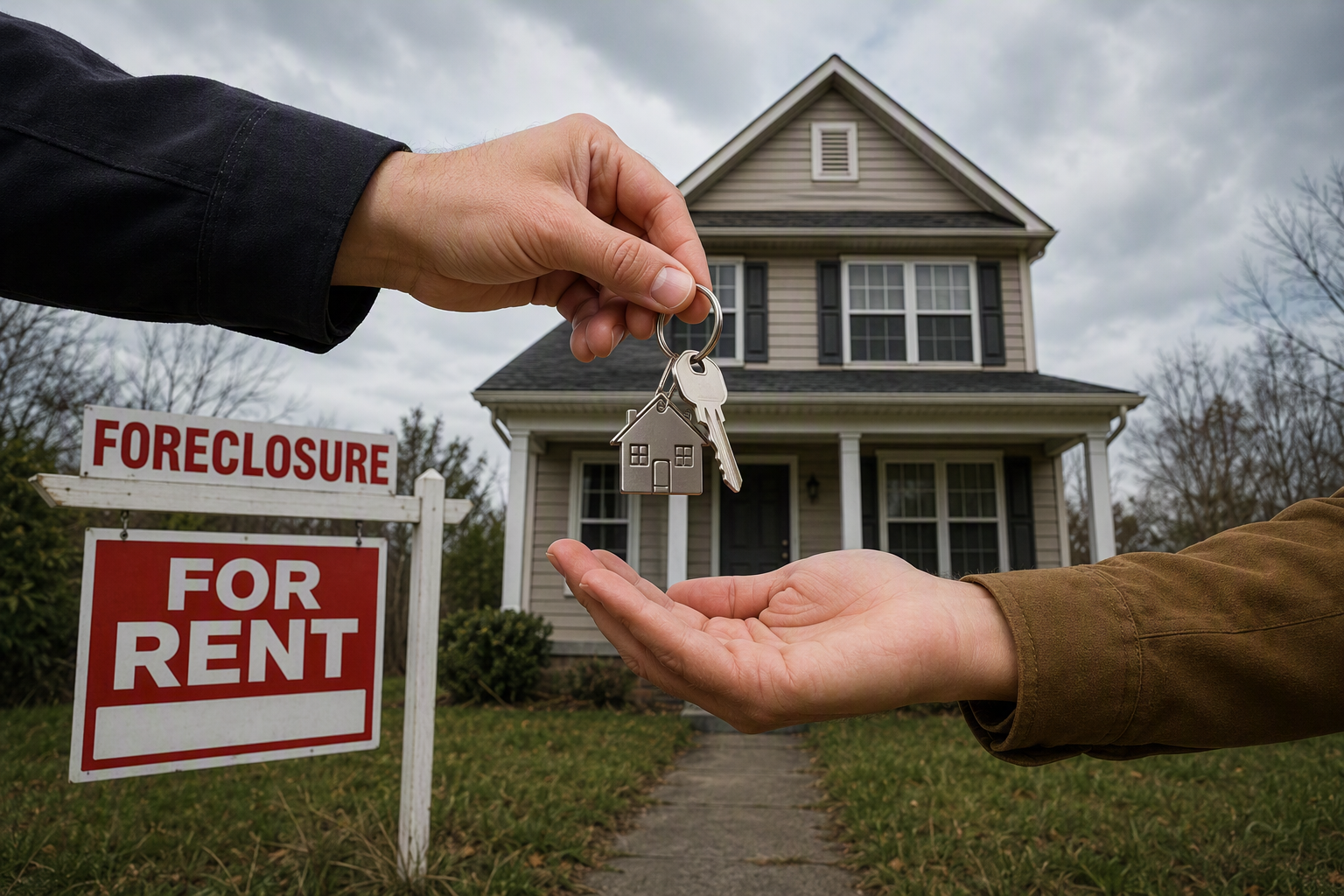
Renting out a rental property during foreclosure proceedings may be possible, but you need legal advice first. Rental income can help on a monthly basis, though it may not solve the full mortgage problem. If you're renting your home and facing foreclosure, you should not stop paying your mortgage without first speaking to a qualified attorney or housing counselor, as this could have serious legal and financial consequences.
Rental income can help on a monthly basis, though it may not solve the full mortgage problem. To prevent foreclosure before renting your house, review your mortgage terms carefully, as they may require notification before you rent to someone else. Additionally, make sure to comply with state law and local law, which can affect notices, leases, and tenant protections. Take steps such as informing your lender, verifying your eligibility to rent, and using a lease agreement that aligns with applicable legal requirements while ensuring consistent rental income to help cover your monthly mortgage payments.
Your mortgage terms may require notification before you rent to someone else.
State law and local law can affect notices, leases, and tenant protections.
Tenants may still have rights after foreclosure, including protections for a written lease or monthly basis tenancy.
You must understand landlord duties, rent collection rules, and timing before moving forward.
Introduction
If you are worried about the foreclosure process, renting out your home may seem like a practical way to bring in money and keep up with payments. That idea can work in some cases, but it also raises legal and tenant issues that you cannot ignore. A rental property under financial stress comes with extra risk. Before you act, it helps to understand the rules, your lender’s expectations, and why getting legal advice matters. It is important to know that foreclosure can stop you from collecting rent, especially if ownership of the property transfers to the lender. After foreclosure is finalized, you may lose legal rights to manage the property or collect payments from tenants, so always check your situation before renting out a home in foreclosure.
Understanding Foreclosure and Your Options as a Homeowner
Foreclosure proceedings usually begin when a homeowner falls behind and the lender starts the legal steps allowed under the loan and the law. If you are still the owner of the property, you may have time to review your choices before title changes hands.
That matters because renting is only one path. In some situations, a loan modification or short sale may be worth considering. Since timing and rules vary, legal advice can help you understand what is realistic before the situation gets worse.
How Foreclosure Starts and What It Means for Your Property
Foreclosure process issues usually begin after missed mortgage payments trigger the lender’s rights under the loan documents. The exact steps depend on the applicable state, because each state can have its own rules, notices, and timelines. That is why two homeowners in different places may face very different experiences.
At first, you remain the owner of the property. Still, the risk grows as foreclosure proceedings move forward. If the process is completed, title can transfer and a new owner may take control of the home. Once that happens, your rights in the property can change sharply.
There is also a financial cost beyond losing the home. A foreclosure can damage your credit score and make future borrowing harder. For many homeowners, understanding those consequences early creates a better chance to act before ownership changes.
Exploring Alternatives to Foreclosure, Including Loan Modification and Short Sale
Yes, there can be alternatives to foreclosure if you are considering renting out your house. Two options often discussed are loan modification and short sale. A loan modification may change the loan terms, while a short sale may allow the property to be sold before foreclosure is completed. Either option can affect your next steps.
You may also want to look into other support channels, especially if time is short:
Review available state resources for housing and foreclosure information.
Contact a local legal aid office or attorney for legal advice.
Check whether mortgage-related programs tied to Fannie Mae or Freddie Mac apply.
No single solution fits everyone. Your timeline, mortgage terms, and local rules matter. Before choosing between renting, a loan modification, or a short sale, get legal advice and review local help carefully.
Renting Out Your Home to Avoid Foreclosure: Is It Legal and Practical?
In many cases, it may be legal to rent out your home while foreclosure is still pending, but legality is only part of the issue. You need to review whether the home is still treated as your primary residence and whether your mortgage terms limit rental use.
Rental income may help, and that can make the idea practical for some homeowners. Still, it does not guarantee that you will avoid foreclosure. Before turning your home into a rental property, get legal advice and check the rules that apply to you.
Mortgage Lender Requirements and Notification Responsibilities
Before renting the home, review your mortgage terms closely. If you are still the owner of the property, the loan documents may control whether the property can be rented and whether lender notification is required. This is especially important if the home was financed as owner-occupied rather than as an investment property.
A careful approach usually includes a few basic steps:
Read the mortgage terms to see if rental use changes any loan requirement.
Give notification if your loan or servicer requires it before collecting rent money.
Ask a housing counselor, attorney, or other professional to explain unclear language.
Failing to notify the lender can create added problems while you are already under financial strain. The compiled state resources also show that foreclosure and rental issues can become technical fast. Even a policy analyst discussing renter protections would tell you that details matter, so do not assume silence is safe.
Local and State Laws Impacting Rental During Foreclosure Risk
Rules for renting during foreclosure risk can change from one place to another. Local law may control the form of notices, while state law may shape how leases are recognized and what protections tenants receive. That means a legitimate rental arrangement in one area may be reviewed differently somewhere else under the law of the applicable state.
Here is a simple text table based on the available state resources mentioned in the compiled information:
Before renting your rental property, check your state resources, review local law, and speak with a lawyer or local legal aid office. Those steps can help you avoid creating a lease that causes more trouble later.
The Pros and Cons of Renting Your Home While Facing Foreclosure
Renting out the home may create rental income and improve cash flow for a period of time. For some owners, that extra money can reduce pressure while they explore other options. It may also help keep the property occupied rather than sitting empty during a hard stretch.
Still, there are real risks and added duties:
Rental income may not be enough to stop foreclosure if the debt is already too large.
Your insurance coverage may need to change once the home is used as a rental.
Your tax situation may become more complicated after the switch.
A property management company may add convenience, but it also adds cost.
Another concern is timing. If foreclosure moves ahead, tenants and lease terms can create added layers of responsibility. Renting can help in some situations, but only if you understand the legal and practical tradeoffs first.
Risks and Considerations for Landlords and Tenants During Foreclosure
Once a rental property is occupied, foreclosure affects more than just the homeowner. Your tenants may worry about eviction, notices, and whether their tenancy will continue if the home is sold. Those concerns become even more important when leases were signed shortly before the foreclosure sale.
You also need to think about your own duties. Questions about legal advice, a future new owner, and the collection of rent can quickly become confusing. That is why tenant protections and landlord obligations deserve a closer look.
Tenant Rights, Collection of Rent, and Owner Obligations During Foreclosure
Yes, tenants can be affected if your home is being foreclosed while rented. Under the PTFA, many bona fide tenants must receive at least a 90 day notice before being required to leave after foreclosure. This can apply whether they have a written lease, an oral lease, or rent on a month-to-month basis, if the arrangement is recognized by state law.
Those tenant rights are not unlimited. The protection generally applies to a legitimate, arm’s-length rental arrangement made before title changes. If the rent is far below market without a valid subsidy reason, or if the tenant is the former owner or close family, the rules may be different.
After foreclosure, a new owner may take over the property. In some cases, tenants can remain for the remaining term of their lease unless the new owner plans to use the home as a primary residence and gives the required notice. Questions about collection of rent should be reviewed quickly with legal help.
Conclusion
In conclusion, renting out your home while facing foreclosure can be a viable option, but it comes with its own set of challenges and legal considerations. It's crucial to ensure that you understand both the responsibilities you hold as a landlord and the rights of your tenants during this difficult time. By navigating the complexities of local laws and lender requirements, you can make informed decisions that may help alleviate some financial pressure. Remember, seeking professional advice can also guide you through this process effectively. If you're looking for personalized assistance, don’t hesitate to reach out and explore your options further.