Key Highlights
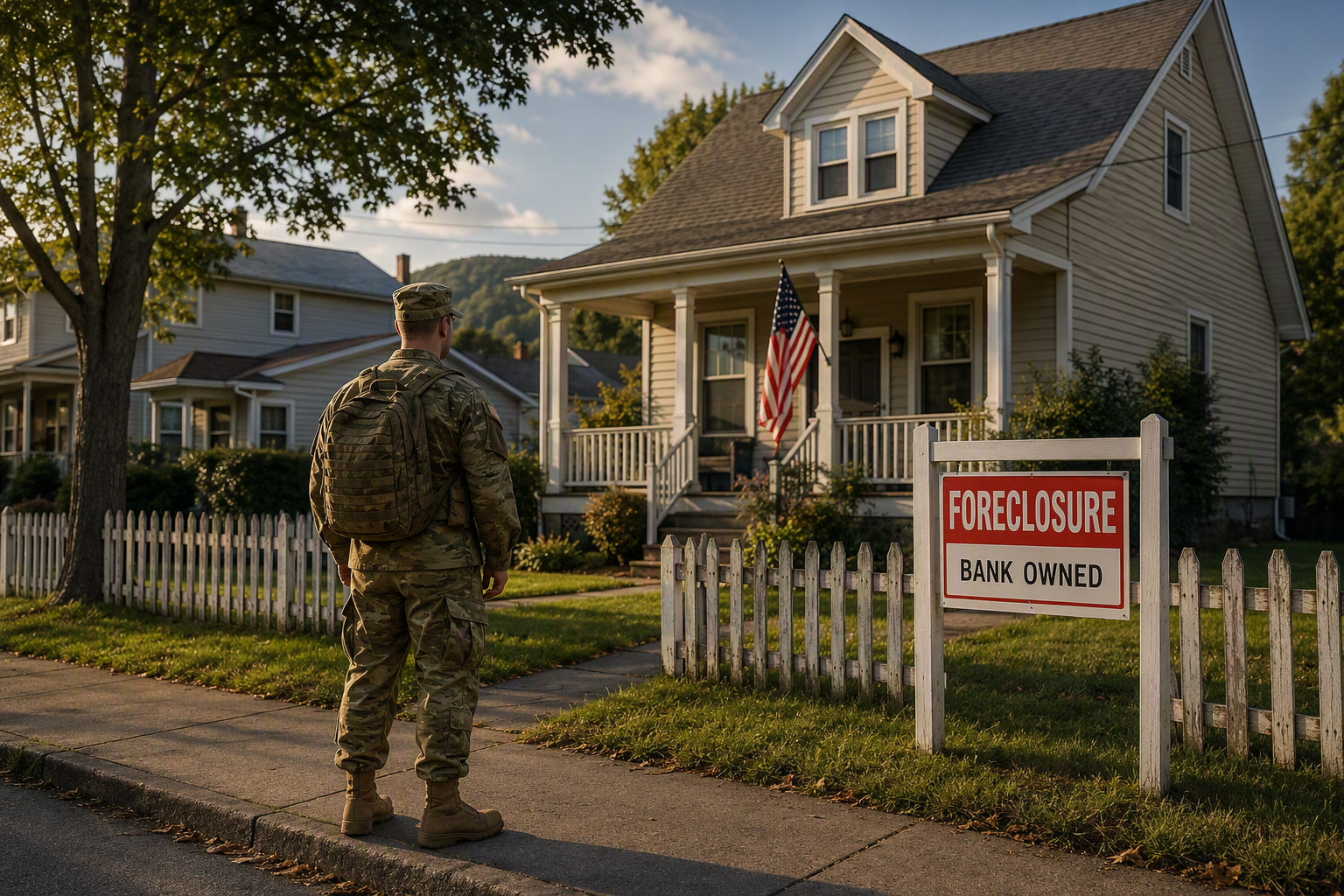
Military service significantly impacts foreclosure cases in Pennsylvania, providing servicemembers with essential protections under the Servicemembers Civil Relief Act (SCRA).
The SCRA offers various safeguards, including the ability to delay foreclosure proceedings while a servicemember is on active duty.
It's crucial for military members to understand their rights and gather the necessary documentation to assert SCRA protections against foreclosure.
Both servicemembers and their cosigners benefit from foreclosure protections, ensuring their financial obligations are carefully considered.
Communication with lenders and legal assistance can be vital for military service members dealing with foreclosure issues in Pennsylvania.
Introduction
If you are in military service and worried about a foreclosure case in Pennsylvania, you may have more protection than you think. The Servicemembers Civil Relief Act can affect when a lender may act, what a court can do, and how you assert your rights. That matters if active duty has made mortgage payments harder to manage. Understanding the basic rules can help you respond early, avoid costly mistakes, and protect your home while your service obligations continue.
Understanding Foreclosure in Pennsylvania
In Pennsylvania, foreclosure cases usually begin when a borrower falls behind on a mortgage loan. A lender cannot simply take the home after one missed payment. There is a legal process, and in many situations a court order becomes central to what happens next.
That matters even more for military borrowers. If a service member does not respond, a default judgment can become a risk. The next sections explain what starts the case and the key steps you should expect in Pennsylvania.
What Initiates a Foreclosure Case
A foreclosure proceeding usually starts after repeated missed mortgage payments. The compiled guidance explains that a lender does not move straight to taking a home after one late payment. Instead, the process builds after the borrower falls behind and the loan remains unpaid.
In general terms, the lender treats the missed payments as a breach of an obligation under the mortgage loan. After about three missed payments, the lender may begin pre-foreclosure and issue a notice of default. That puts the matter into motion and can make the problem more urgent for the homeowner.
For you, the big risk is waiting too long to act. If you ignore notices or do not answer the lawsuit, a default judgment may follow. When military service affects your ability to respond or pay, that issue can become important in the foreclosure proceeding and later court review.
Key Steps in the Foreclosure Process
Once default happens, the lender moves through a series of steps before a home is sold. State rules matter, and Pennsylvania foreclosure practice centers on legal process rather than quick seizure. Even if someone mentions a trust deed or trust deed state rules, your Pennsylvania foreclosure case still turns on court action.
Here is the usual path:
Missed payments place the mortgage loan in default.
The lender starts pre-foreclosure with a default notice.
A lawsuit is filed so the lender can seek a court order.
If successful, the property may be sold to recover the debt.
During this period, you may still have options to catch up, pay off the loan, or sell before the final sale. For military borrowers, active duty status can change how fast the case moves and whether extra protections apply in Pennsylvania.
Military Service and the Foreclosure Landscape
Military service can affect a foreclosure case because deployment, reassignment, and other military duty may interfere with income, communication, or your ability to appear in court. That is why federal law gives some borrowers extra time and added safeguards.
For a service member, the key issue is whether active duty service has affected the ability to handle the mortgage. If it has, the legal process may slow down or change. The next sections explain how active duty status shapes the case and where risks remain.
How Active Duty Status Influences Legal Proceedings
Active duty can influence foreclosure cases in a very direct way. A lender may still pursue the matter if the loan is in default, but the law places limits on what can happen while qualifying military service is ongoing. That can make a major difference in timing.
For protected borrowers, a lender generally may not foreclose during active duty or within the protected period after service without a court order. In court, the lender may need to show that the servicemember’s military service did not materially affect the ability to repay the debt. That is a high-stakes issue for both sides.
A judge also has discretion to stay the case for a period of time as justice and equity require or adjust the obligation to protect everyone involved. So yes, active duty may delay proceedings in Pennsylvania, especially when military service has disrupted finances or access to the court.
Foreclosure Risks for Servicemembers and Cosigners
SCRA rules focus on the obligations of the service member, but foreclosure risk can still affect other people tied to the loan. If mortgage payments stop, mortgage lenders may pursue the property even when one borrower is serving. That can create stress for spouses and cosigners.
The compiled information states that some protections can apply to debts incurred jointly with a spouse, especially for interest rate relief. In limited situations, dependents may also be entitled to protection. Still, that does not mean every cosigner receives automatic coverage in every foreclosure setting.
Keep these points in mind:
A joint mortgage may qualify for interest rate relief if it predates active duty.
Some dependents may have protection in limited situations.
Cosigners should not assume full SCRA coverage without checking the facts.
A service member should notify the lender early if payments are at risk.
Protections Under the Servicemembers Civil Relief Act (SCRA)
The Servicemembers Civil Relief Act (SCRA) provides essential protections for military service members facing financial challenges while on active duty. This includes provisions that prevent foreclosure actions and offer an interest rate reduction on mortgages, allowing military members to focus on their mission without the stress of financial obligations. During the period of military service, a servicemember may request a stay on legal actions, protecting them from the seizure of property and default judgments. These protections ensure that service members can maintain financial stability while serving the nation.
Overview of SCRA Provisions for Pennsylvania Servicemembers
The Servicemembers Civil Relief Act (SCRA) offers vital protections for Pennsylvania servicemembers facing financial challenges due to their military service. Key provisions include a reduction in mortgage interest rates and a delay in foreclosure proceedings for those on active duty. This means military members can maintain stability in their housing situations during periods of deployment. Additionally, SCRA protections extend to all active military service branches, ensuring that all servicemembers—including reservists and National Guard members—receive equitable relief from undue financial pressures.
Who Qualifies and How SCRA Applies to National Guard Members
The Servicemembers Civil Relief Act covers several groups, not just full-time career troops. Eligible people include members of the military serving on active duty, military reservists ordered to report, people ordered to report for induction, and certain commissioned officers in active service.
Coverage also extends to members of the Army, Navy, Marine Corps, Air Force, and Coast Guard. It includes commissioned officers of the Public Health Service and the National Oceanic and Atmospheric Administration who are engaged in active service. In limited situations, dependents may qualify too.
National Guard coverage is possible, but it depends on the call-up. The compiled guidance says guardsmen called to active service for more than 30 consecutive days can qualify. So yes, eligible National Guard personnel in Pennsylvania may receive protection during the period of military service if the other requirements are met.
Asserting SCRA Rights in a Pennsylvania Foreclosure
Having SCRA protections is only part of the picture. You also need to assert them clearly. In Pennsylvania, that means showing your military status and giving the lender or court the information needed to evaluate your claim.
If a lender seeks to move forward, a valid court order may become a central issue. Good records can help you show that the mortgage predates service and that your active duty changed your financial situation. The next sections cover documents and notice steps.
Required Documents to Prove Military Status
When you ask for foreclosure protection or an interest rate reduction, documentation matters. The compiled guidance is clear that the lender should receive proof showing both your military status and the timing of the debt. Without that, delays and disputes can grow.
A service member or representative should be ready to provide:
Notice that you have been called to active duty
A copy of your military orders
Evidence that the debt began before the period of military service
If applicable, your FHA case number
These records help connect the mortgage to the protected period and support your request for relief. Keep copies of everything you send. If the issue reaches court, organized proof of military status and service dates can help you push back against an improper foreclosure move.
Steps to Notify Lenders and Courts of SCRA Protection
Start early. If military service affects your ability to pay, contact your lenders right away instead of waiting for the foreclosure case to grow. The compiled material explains that some relief, including the six percent rate cap, requires a written request and supporting orders.
Your basic steps should include:
Send a written request to the mortgage lender
Attach military orders or activation documents
Explain that the debt predates active duty
Raise the issue with the court if a foreclosure case is already pending
Timing matters. A request for the interest cap may be submitted once orders are issued, but it must be provided no later than 180 days after release from active duty. If the case is already in court, tell the judge why protection applies before any adverse court order is entered.
Delaying or Preventing Foreclosure for Pennsylvania Servicemembers
Military borrowers often ask whether a foreclosure proceeding can be paused. In many cases, the answer is yes, but not forever and not automatically in every dispute. Active duty changes the lender’s path and gives courts room to slow things down.
A court order is usually required before foreclosure can go forward against a protected servicemember during the covered time. Judges may also grant relief based on the period of military service and the effect that service had on repayment. Here is how those limits work.
Legal Limits on Foreclosure During Active Duty
A lender can pursue a defaulted loan, but legal limits apply when the homeowner is on qualifying military duty. The compiled information says a lender may not foreclose or seize property for failure to pay a mortgage debt during active duty, or during the protected period after service, unless there is a court order.
That rule matters even in places where other foreclosure actions might not normally require judicial involvement. In a foreclosure proceeding involving a protected borrower, the lender must go to court rather than acting on its own. That gives the servicemember a chance to raise defenses and request relief.
If the case reaches a judge, the court can stay the proceeding for a period of time as justice and equity require or adjust the obligation to preserve the interests of all parties. So, a lender may foreclose only if it follows that protected process.
Duration and Conditions for Postponing Foreclosure
The length of a delay depends on the kind of relief you request. The compiled information explains that courts may grant a stay for a period of time as justice and equity require. It also notes that some protections continue beyond the end of active duty.
In short, postponement is not a fixed number in every case. It depends on your financial obligations, the court order requested, and how military service affected your ability to pay.
Practical Steps for Military Members Facing Foreclosure
If you are a service member facing missed payments, act fast. Early action can make a big difference in foreclosure cases, especially when your mortgage loan predates activation. Good records, prompt notice, and legal advice can help you protect your rights.
Military service members do not have to handle this alone. The compiled guidance points to military legal offices, outside attorneys, legal services groups, and government enforcement channels. The next sections explain where to turn and how to deal with lenders in writing.
Contacting a Military Attorney or Legal Aid
When foreclosure pressure rises, legal help should move to the top of your list. The compiled information says active-duty borrowers can contact a base legal office, a military defense counsel, or a civilian foreclosure attorney. If a sale or seizure happened without proper protection, quick legal review is especially important.
You may want to contact:
A military attorney through your base legal office
A civilian mortgage foreclosure lawyer
A legal aid organization if you meet financial requirements
The Department of Justice for SCRA enforcement issues
The material also mentions a private right of action in some SCRA situations, which may help a lawyer seek fees from the other side. If you believe there was an unlawful foreclosure, ask about monetary damages and other legal actions right away. That can also help document the progress of your complaint.
Navigating Communication with Mortgage Lenders
Clear communication with mortgage lenders can prevent confusion and strengthen your position. Do not rely on phone calls alone. The compiled material stresses a written request for key SCRA relief, especially the interest rate reduction. Written notice also creates a paper trail if a dispute later reaches court.
When you contact the lender, include:
A written request for the relief you seek
Copies of military orders
Proof the loan predates active duty
A request for written updates on the progress of your complaint
Ask about loss mitigation options too. Some lenders may allow paused principal payments during active duty, and others may offer forbearance or different workout programs. You still need to stay engaged. Save letters, track deadlines, and follow up until you have a clear answer in writing.
Conclusion
In conclusion, understanding how military service impacts foreclosure cases in Pennsylvania is crucial for servicemembers facing financial challenges. The protections offered under the Servicemembers Civil Relief Act (SCRA) provide essential rights that can delay or prevent foreclosure during active duty. It's important for military personnel and their families to be aware of these legal safeguards and to take actionable steps to assert their rights. Whether it's gathering the necessary documentation or seeking legal assistance, being proactive can make a significant difference. If you need tailored guidance on navigating this complex situation, don’t hesitate to reach out for a consultation with a knowledgeable attorney.
Frequently Asked Questions
Can a lender foreclose on my home if I’m on active military duty in Pennsylvania?
A lender may pursue a foreclosure proceeding on a defaulted loan, but SCRA protections limit what can happen during active duty. In general, the lender needs a court order to foreclose while qualifying military service is ongoing or during the protected period after service ends.
Are military cosigners covered by foreclosure protections under SCRA?
Cosigners are not always automatically protected in every foreclosure case. Under the Servicemembers Civil Relief Act, some joint debts with a spouse may qualify for relief, and limited dependent protections may apply. The exact coverage depends on the loan, military service status, and any court order involved.
How long can a foreclosure case be delayed for active duty personnel in Pennsylvania?
There is no single delay period for every foreclosure case. SCRA protections allow a court order staying the case for a period tied to justice and equity. Other protections may last through the period of military service and continue for a limited time after active duty ends.