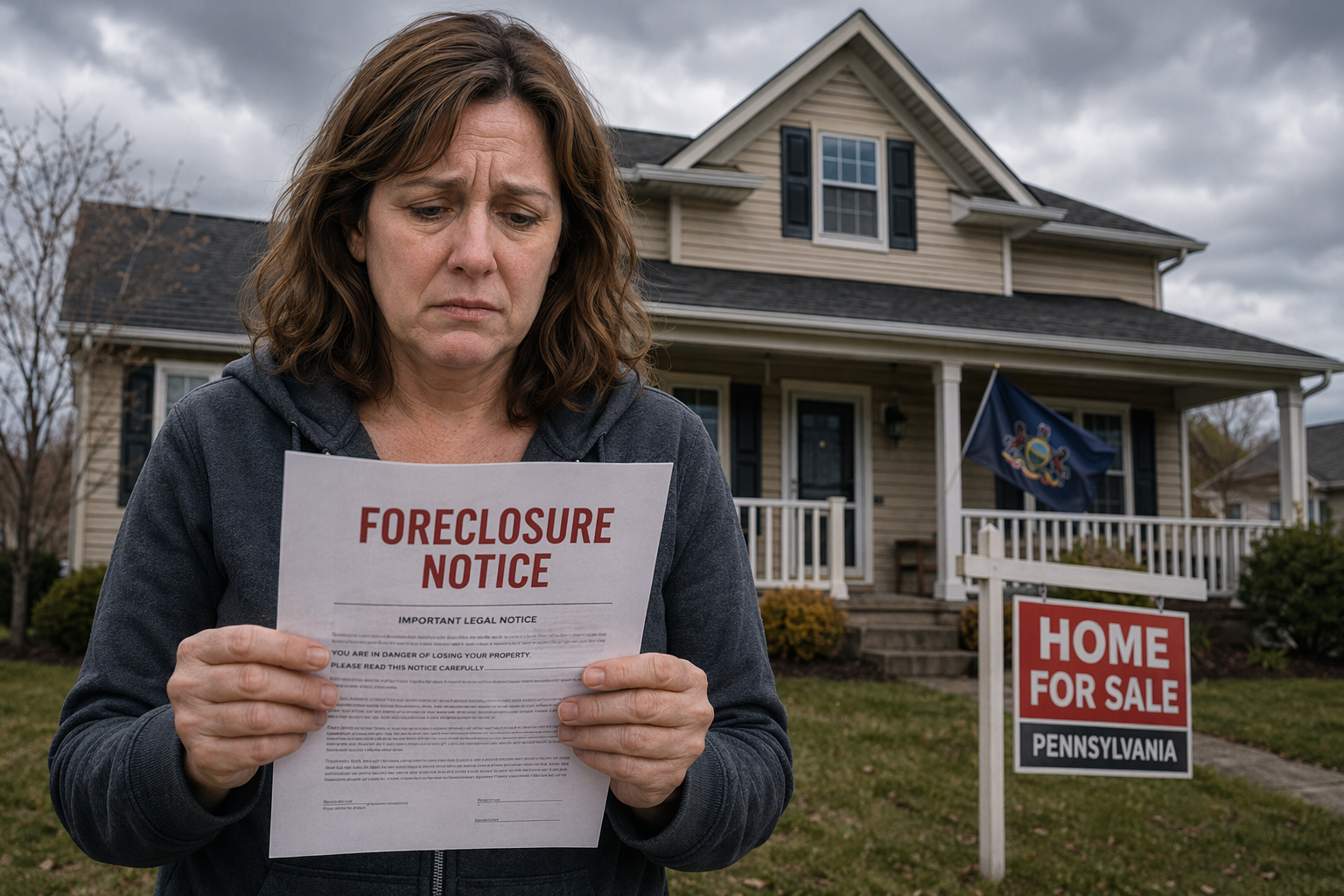
Key Highlights
Pennsylvania uses a judicial foreclosure process, so lenders must go to court before taking your home.
Federal rules usually prevent foreclosure from starting until you are more than 120 days behind on mortgage payments.
Many borrowers receive Act 6 and Act 91 foreclosure notices before legal action begins.
You may still have options such as loan modification, reinstatement, forbearance, or a repayment plan.
The emergency mortgage assistance program and other financial assistance may help eligible homeowners.
Fast action improves your chances of getting mortgage assistance and avoiding foreclosure.
Introduction
Falling behind on your home loan can feel overwhelming, but mortgage foreclosure in Pennsylvania does not begin the moment you have missed payments. The foreclosure process follows legal steps, and that gives you time to respond. If you act early, you may be able to catch up, negotiate with your lender, or seek help through available programs. Understanding how Pennsylvania handles mortgage foreclosure can help you protect your home, your finances, and your next move.
Understanding Foreclosure in Pennsylvania
In Pennsylvania, mortgage foreclosure is a court-based legal process. That matters because lenders cannot simply schedule a sale on their own. Under Pennsylvania law, they must file a lawsuit and follow formal foreclosure proceedings before a home can be sold.
This structure often gives you more time to respond than in states with faster systems. It also means the foreclosure process includes notices, court filings, and chances to raise issues or work out a solution. The next sections explain how that system works in practice.
What Is Foreclosure and How Does It Work in Pennsylvania?
Foreclosure is the legal method a lender uses to recover a home after a borrower stops making mortgage payments. In Pennsylvania, this does not happen through a private sale process. The lender must go to court and start a lawsuit.
Once the loan is in default and required notices have been sent, the lender files a foreclosure complaint. You are then served with court papers and given a chance to respond. If you do nothing, the lender may seek a default judgment. If you answer, the case moves through the legal system.
As for the foreclosure process timeline, it usually begins after several missed payments and often stretches over months because court action is required. That extra time can be valuable if you want to seek help, catch up, or negotiate a workout.
Types of Foreclosure Processes in Pennsylvania
Pennsylvania stands out because it uses judicial foreclosure, not nonjudicial foreclosure. That means foreclosure proceedings must move through the court system from start to finish. The lender cannot bypass a judge and go straight to sale.
Here is the basic breakdown:
Judicial foreclosure is the required method in Pennsylvania, and it begins with a lawsuit.
Nonjudicial foreclosure is not generally allowed in Pennsylvania.
Court oversight can create more time for borrowers to respond or pursue alternatives.
So what options do Pennsylvania borrowers have to stop foreclosure before it happens? Based on the available information, they may contact the servicer, seek forbearance, request a repayment plan, apply for a loan modification, reinstate the loan, refinance if qualified, sell the property, or explore bankruptcy and other legal options before a sale occurs.
Judicial vs. Nonjudicial Foreclosure Explained
Many homeowners hear both terms and assume they apply everywhere. In Pennsylvania, they do not. Judicial foreclosure is the controlling legal process, which means the lender must file in court before any foreclosure sale can happen.
The case moves through the local court system, typically the Court of Common Pleas. That gives you the chance to receive notice, answer the complaint, and raise defenses. It also opens the door to negotiation while the case is pending.
The Pennsylvania Foreclosure Timeline
The Pennsylvania foreclosure timeline usually starts with missed payments, collection efforts, and required notices. In many cases, federal rules prevent a foreclosure action from being filed until the loan is more than 120 days delinquent, though limited exceptions exist.
After that, the case moves into court, where the lender seeks judgment and then a sheriff’s sale. Because the process includes notices, filings, and court oversight, it often takes several months or longer. Each stage affects what options you still have, which is why timing matters.
Missing Payments and Early Warnings
The first stage is usually simple but serious. You miss one payment, and after any grace period in your loan papers, late charges may begin. Most promissory notes give a grace period of about ten to fifteen days before fees apply.
As missed payments continue, the servicer’s contact usually increases. Around 30 days late, the delinquency may affect your credit score. Federal servicing rules generally require outreach by phone no later than 36 days after a missed payment and written information about loss mitigation by 45 days.
So how long do you have to recover your loan before foreclosure starts in Pennsylvania? In most cases, the lender generally cannot begin the case until you are over 120 days delinquent. That said, do not wait for formal foreclosure notices. Your best options usually exist earlier.
Required Legal Notices (Act 6 and Act 91)
Before many residential foreclosure cases begin, Pennsylvania requires important foreclosure notices. These notices are meant to give you a real chance to understand the default and seek help before legal action moves forward.
The notices often include:
Act 6 notice, which gives notice of intent to foreclose and a chance to cure the default.
Act 91 notice, which explains homeowner rights and available help, including possible assistance through state programs.
Information about meeting with an approved counseling agency, which may delay legal action for a period.
What should you do right after receiving one? Read every page, note the deadlines, contact your servicer, and reach out to a housing counselor or qualified attorney. These notices are not junk mail. They may be the clearest warning that you need to act now.
Lawsuit Filing, Judgment, and Sheriff’s Sale
If the default is not resolved, the lender may file a foreclosure action in court. You will receive a summons and complaint. At that point, ignoring the case becomes risky because deadlines begin running right away.
When a borrower does not respond, the lender may seek a default judgment. If the borrower answers, the case continues through litigation, and the lender may ask for summary judgment. If the court rules for the lender, the property can be scheduled for sheriff sale.
Before the sale, notice must be posted, served, and published. At the auction, the highest bidder becomes the new owner. In Pennsylvania, you may reinstate up to one hour before bidding begins in many cases, so recovery may still be possible even late in the process.
Borrower Rights Before and During Foreclosure
You are not without legal rights when foreclosure proceedings begin. Pennsylvania and federal law both provide borrower protections that shape what a lender or servicer must do before taking the next step.
These protections can include required notices, time to respond in court, access to counseling information, and limits on when foreclosure may start. Some homeowners also have special protections because of military status or servicing rules. Knowing these rights can help you respond with confidence instead of panic.
Legal Protections for Homeowners in Pennsylvania
Pennsylvania law gives homeowners several meaningful protections during foreclosure proceedings. Since the process runs through court, you must receive notice of the lawsuit and have an opportunity to respond. That alone can create room to challenge errors or pursue settlement.
You may also have rights such as:
receiving required preforeclosure notices before the case starts
getting current on the loan to stop a sale in certain circumstances
receiving any surplus funds left after a foreclosure sale
If you think the lender skipped a step or made mistakes, speak with a foreclosure attorney or other legal counsel. What legal rights do homeowners in Pennsylvania have during the foreclosure process? They include notice, a chance to answer the complaint, the ability to raise defenses, and in some places access to conciliation or diversion programs.
Federal Foreclosure Protections and the CFPB 120-Day Rule
Federal law adds another layer of protection. Mortgage servicing rules generally require the servicer to try to contact you by phone about loss mitigation no later than 36 days after a missed payment and to send written information by 45 days.
The CFPB 120-day rule is especially important. In most cases, a servicer cannot make the first filing or start foreclosure until your mortgage delinquency is more than 120 days old. This rule helps block immediate foreclosure after one or two missed payments.
How does the CFPB 120-day rule protect Pennsylvania borrowers from immediate foreclosure? It creates a waiting period before formal court action usually begins. That time can be used to review foreclosure notices, submit a loss mitigation request, gather finances, or seek counseling and legal guidance.
Military Homeowner Protections in Foreclosure
Military service can bring added legal protections. Under federal law, the Servicemembers Civil Relief Act may protect a military homeowner from certain foreclosure consequences while on qualifying service.
Pennsylvania also provides protections for Pennsylvania National Guard members on active state service and for 30 days after that period. In that time, they are exempt from civil process under state law. That can affect how and when a foreclosure action proceeds.
If you are serving, do not assume the lender already knows your status. Tell your servicer and get legal advice quickly. These legal protections may delay or limit action against your home, but you usually need to raise the issue. For many service members, early legal review can make a major difference.
Immediate Actions After Receiving a Foreclosure Notice
Opening foreclosure notices can be frightening, but your next move matters more than your first reaction. Immediate action can protect your options, especially if you are dealing with financial hardship and have not yet spoken with your servicer.
Do not wait to see if things get better on their own. Whether the notice is a pre-suit letter or a foreclosure lawsuit, you need to understand what it says, track deadlines, and start gathering records. The sooner you respond, the more paths you may still have.
Contacting Your Mortgage Servicer Right Away
One of the best first steps is to contact your mortgage servicer right away. Yes, that call can be uncomfortable. Still, early communication often opens the door to workout options that may close later.
When you speak with the servicer, ask about:
the total amount needed to cure missed mortgage payments
available loss mitigation options, including forbearance or modification
whether any sale or transfer could make someone else the new owner if no solution is reached
Keep the conversation focused and practical. Ask what documents they need and when they need them. If you received a foreclosure notice, do not just ask for “help.” Ask for specific options, deadlines, and the name of the person handling your file. That creates a stronger paper trail and clearer next step.
Documenting Communications and Deadlines
Good documentation can protect you. Every time you speak with the servicer, write down the date, time, name of the representative, and what was said. Save letters, emails, payment records, and screenshots of online messages.
Just as important, track all deadlines. If a foreclosure complaint has been filed, court dates and response periods matter. Missing a deadline can make it easier for the lender to move ahead with the foreclosure action.
Create one folder for everything related to the loan. Include notices, your budget, hardship explanation, and any application forms. This helps when you speak with a housing counselor, legal aid office, or attorney. It also helps you spot contradictions if the servicer gives different answers on different days.
Understanding Your Foreclosure Notice
Not every foreclosure notice means the same thing. Some letters warn that default has occurred. Others signal pending legal action. A court complaint is different from a preforeclosure notice, so read closely before you respond.
Look for key details such as:
the amount claimed as past due
the deadline to cure or respond
any explanation of available options or counseling rights
If the letter references Act 6 or Act 91, it likely gives you a chance to act before a lawsuit moves forward. If it includes a summons and complaint, legal action has already started. In either case, do not guess about the meaning. Compare the notice to your records and seek help if anything seems unclear or inaccurate.
Loan Recovery Options for Pennsylvania Borrowers
Even if you are behind, loan recovery may still be possible. Pennsylvania borrowers can explore several tools that may help restore the mortgage, reduce immediate pressure, or buy time to stabilize finances. The right choice depends on how far behind you are and whether the hardship is temporary.
Some solutions come directly from the lender, while others involve mortgage assistance, state help, or counseling support. Before giving up, review the main recovery paths below. One of them may fit your situation better than you think.
Reinstating Your Mortgage Before Foreclosure
Reinstating mortgage debt means bringing the loan current in one payment. You pay the missed payments of principal and interest, plus late fees, legal costs, and other charges tied to the default. Once that happens, the mortgage loan returns to current status.
In Pennsylvania, reinstatement can stop the foreclosure if completed in time. State law allows reinstatement up to at least one hour before bidding starts at the sale, with a limit of three times in a calendar year. That gives borrowers a powerful option, even late in the process.
So how can you reinstate your mortgage in Pennsylvania before foreclosure begins? First, ask the servicer for a written reinstatement figure. Then review funding sources such as savings, a tax refund, family support, or other available funds. Check the amount carefully so the full cure is made.
Setting Up a Repayment Plan
A repayment plan spreads the overdue balance over time while you continue making regular monthly payments. This can work well when your hardship has ended and your income has improved enough to handle both the current amount and an added catch-up portion.
A typical repayment plan may help if:
your missed mortgage payments are limited
your income has stabilized after a short setback
you can afford a temporary increase in monthly payments
This is not the same as getting a new loan. It is an agreement to cure the default over time. Yes, it may be possible to negotiate with your lender in Pennsylvania before foreclosure through this kind of arrangement, especially if you contact the servicer early and present a realistic budget.
Applying for Mortgage Forbearance
Mortgage forbearance temporarily reduces or pauses payments during a financial hardship. It does not erase what you owe, but it can give you needed breathing room while income recovers or a short-term crisis passes.
This option may help after illness, job interruption, or another setback. The key question is what happens when the forbearance period ends. Ask the servicer how the paused amounts will be handled and whether a repayment plan, deferral, or another solution will follow.
For borrowers seeking mortgage assistance, forbearance can be one of the quickest relief tools if the hardship is temporary. Still, do not agree to terms you do not understand. Make sure you know the length of the pause, the repayment method, and whether any further review is available.
Loan Modification and Negotiating with Lenders
A loan modification changes the terms of your mortgage to make it more manageable. For borrowers facing a longer-term income drop, this can be more useful than a short pause. It may lower payments and give you a better chance of keeping the home.
Yes, it is often possible to negotiate with a mortgage lender in Pennsylvania before foreclosure moves too far. Success usually depends on showing your financial situation clearly and applying through the lender’s loss mitigation or loan program process as early as possible.
How to Request a Loan Modification in Pennsylvania
Requesting a loan modification starts with your mortgage lender or servicer. You will usually need to explain your financial hardship and provide documents showing income, expenses, and the reason the original payment is no longer affordable.
Prepare items such as:
recent income records and bank statements
a hardship explanation
information about your monthly expenses and mortgage loan status
A modification may reduce the interest rate, extend the loan term, or add past-due amounts to the balance so payments become more affordable. If you want to negotiate before foreclosure, ask specifically for the lender’s loss mitigation application. Complete it fully and keep copies of everything you send.
Tips for Negotiating Better Terms with Your Lender
Strong negotiation starts with clear numbers. Before speaking with the mortgage lender, know what payment you can realistically afford. If your proposal is too vague, the discussion may stall quickly.
Be honest about your finances. Explain whether your setback is temporary or long-term, and support that explanation with documents. If you are also seeking financial assistance from a state program or nonprofit source, mention that. Lenders may view a complete plan more favorably than a partial one.
Patience helps too. A loan modification review can take time, and you may need to follow up repeatedly. Keep notes, confirm receipt of documents, and ask for status updates in writing when possible. Negotiation works best when you stay organized and persistent without missing other deadlines.
Exploring Cash-Out Refinancing or Refinance Opportunities
Refinancing replaces your current mortgage with a new loan. In some situations, refinance opportunities may lower your payment, extend the loan term, or provide funds to cure delinquency. A cash-out refinancing option may also help if you have enough equity.
Still, this path becomes harder once serious delinquency begins. Lenders typically look at income, credit, and equity. If your finances have already declined sharply, qualifying may be difficult.
That said, some borrowers consider refinancing before the case advances too far. If you still have decent credit and stable income, it may be worth exploring. Just remember that refinancing is not guaranteed, and it works best earlier in the timeline rather than after the lawsuit is already deep in court.
State and Federal Assistance Programs
You do not have to manage this process alone. Pennsylvania borrowers may have access to financial assistance, counseling, and legal support through state and federal resources designed to prevent avoidable foreclosure.
One of the most important places to start is the Pennsylvania Housing Finance Agency. A housing counselor can also help you understand notices, prepare applications, and communicate with the servicer. These programs will not fit every case, but they can be a valuable lifeline when money is tight.
Pennsylvania Housing Finance Agency (PHFA) Help
Yes, there are state programs that may help. The Pennsylvania Housing Finance Agency is a key resource for borrowers facing foreclosure proceedings. Through PHFA, eligible homeowners may seek help under the Homeowners’ Emergency Mortgage Assistance Program.
This emergency mortgage assistance program, often called HEMAP, is aimed at helping homeowners with primary residence issues avoid losing the property. Act 91 notices often explain the right to apply and how counseling fits into the process.
The state has also offered assistance through the Pennsylvania Homeowner Assistance Fund for eligible homeowners affected by hardship, including pandemic-related hardship. Availability and application status can change, so borrowers should check with the Pennsylvania Housing Finance Agency quickly. Waiting too long can reduce the value of any financial assistance that may still be available.
HUD-Approved Housing Counseling Services
A HUD-approved housing counselor can be one of your most useful allies. These professionals help borrowers understand mortgage assistance choices, avoid scams, and organize the information needed for foreclosure prevention.
A counseling agency may help you:
review your budget and hardship details
prepare a loss mitigation or assistance application
communicate more effectively with your servicer
This support is often free or low-cost. If you feel stuck, a housing counselor can help turn confusion into a plan. They do not replace legal advice, but they can be a strong first stop when you need practical guidance fast and want someone who understands the foreclosure system.
Legal Aid and Other Local Resources
Legal aid organizations may also help if your income is limited. These groups can review notices, explain your rights, and sometimes assist with foreclosure defenses or settlement efforts. For some borrowers, this support is critical.
A foreclosure attorney may be especially helpful if you believe the lender made errors, failed to send required notices, or moved ahead improperly. Because Pennsylvania uses a court-based system, legal issues can affect the outcome in a meaningful way.
Local legal services, court diversion programs in some counties, and nonprofit housing groups may all be worth exploring. If you are also trying to secure financial assistance, these professionals can help you organize the case and decide whether the best path is defense, negotiation, or a transition out of the property.
Conclusion
In conclusion, navigating the foreclosure landscape in Pennsylvania can be daunting, but understanding your options is crucial for recovery. By familiarizing yourself with the timeline, your rights, and available resources, you can take proactive steps to regain your financial footing. Whether it’s reinstating your mortgage, negotiating with lenders, or seeking assistance from state and federal programs, there are paths to prevent foreclosure. Remember, you’re not alone in this process—many resources are available to guide you through. If you're ready to explore your options and find a solution that works for you, don’t hesitate to reach out for a free consultation. Your financial well-being is worth it!
Frequently Asked Questions
How long do I have to recover my loan before foreclosure starts in Pennsylvania?
In most cases, federal servicing rules mean a foreclosure action cannot usually begin until you are more than 120 days delinquent. That gives borrowers time after missed payments to review foreclosure notices, contact the servicer, and explore options during the early foreclosure timeline.
Can I stop foreclosure once the process has begun in Pennsylvania?
Yes, sometimes. Even after the foreclosure process starts in the court system, you may still pursue loan modification, reinstatement, repayment, bankruptcy, or other solutions. Because mortgage debt cases move through court in Pennsylvania, legal counsel may help you identify defenses or negotiate a resolution.
What resources are available if I’m struggling to avoid foreclosure in Pennsylvania?
Pennsylvania homeowners may seek financial assistance and mortgage assistance through the housing finance agency, including the emergency mortgage assistance program. HUD-approved counselors, legal aid groups, and local housing services may also help borrowers understand foreclosure proceedings and apply for available support.