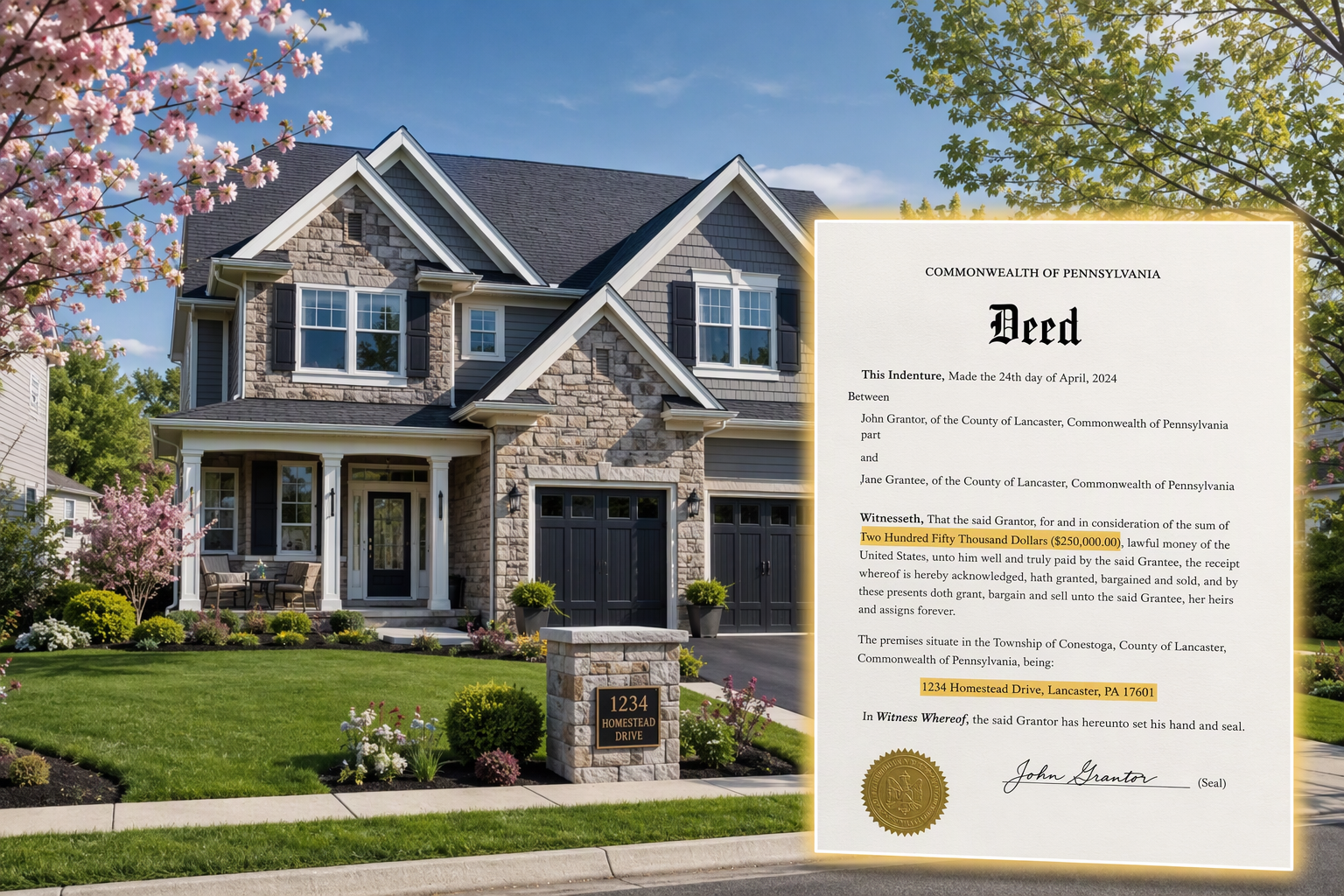
Key Highlights
A power of attorney can allow a real estate sale in Pennsylvania when the document gives proper legal authority.
Under pennsylvania law, the wording matters, especially for real estate transactions.
A trusted agent acts for the principal, but the home still belongs to the principal.
Many title companies want the POA reviewed early to avoid closing delays.
An estate attorney can confirm whether the document is specific enough for the sale.
A POA ends at death, so estate rules apply after that point.
Introduction
If you need to sell a Pennsylvania home for a parent, sibling, or other family member, you may wonder whether a power of attorney is enough. In many cases, yes, but only if the document fits pennsylvania law and clearly covers real estate transactions. That is why this topic matters in both real estate and estate planning. A home sale can move smoothly, but only when the paperwork, authority, and timing are handled the right way from the start.
Understanding Power of Attorney in Pennsylvania
A power of attorney is a legal document that lets one person act for another. In pennsylvania law, that can be very useful when someone cannot handle a sale because of illness, distance, or other life changes. It is also a common estate planning tool.
Still, not every general poa works for a home sale. The trusted agent must have clear authority, and the document usually needs careful review before anyone signs listing or closing papers. To understand that better, start with the people involved and the type of authority granted.
Key Roles: Principal and Agent Explained
The principal is the person who gives authority. The agent, sometimes called the attorney-in-fact, is the person who receives it. In a home sale, the agent may sign contracts, work with the real estate agent, and attend closing for the principal.
Even so, the agent does not become the owner. The legal authority only allows the trusted agent to act on the principal’s behalf. The house still belongs to the principal, and the agent must protect the benefit of the principal at every step.
That duty is important. The agent should be a competent person who can act in good faith, follow instructions, and avoid conflicts. If you are wondering how the process works, it starts with confirming that the principal validly signed the document and that the agent’s authority actually covers the planned sale.
Types of Power of Attorney Relevant to Real Estate
Different powers of attorney serve different jobs. For real estate transactions, the type of power of attorney matters because broad authority is not always enough for a title company or closing team. That is why a review before listing is a good idea.
A durable power of attorney is often used when the principal may become incapacitated. A springing power of attorney only becomes active after a stated event. A special power is narrower and may focus on one sale or one property.
For Pennsylvania sales, the safest approach is to make sure the document clearly includes real estate authority.
Legal Authority to Sell a Home Under Power of Attorney
Yes, someone with power of attorney can often handle a real estate sale in Pennsylvania. The key issue is legal authority. The power of attorney form must be valid and broad enough, or specific enough, to let the agent list, negotiate, and sign sale documents.
Because pennsylvania law and title requirements can be strict, many families ask an estate attorney to review the paperwork before the property goes on the market. That step helps avoid surprises later. Next, it helps to look at the rules and limits that shape these sales.
Pennsylvania Laws Governing Real Estate Sales with POA
Pennsylvania law sets the framework for powers of attorney used in a real estate sale. The document must be properly created, signed, and typically notarized. In practice, the closing team and title company will want to confirm that the authority is valid before the transaction moves ahead.
Just as important, the wording must support real estate actions. If the document is old, vague, expired, or silent about property matters, the sale may stall. That is one reason many people involve an estate attorney early rather than waiting until a buyer is already in place.
Recording issues can also matter. The POA may need to be recorded with the recorder of deeds or provided in a form accepted for closing. Restrictions usually come from missing authority, poor execution, or title concerns, not from the simple fact that an agent is signing.
Does the Power of Attorney Need to Be Specific for Real Estate Transactions?
In many Pennsylvania transactions, the answer is yes or at least close to yes. A power of attorney should clearly support the sale of real estate. A general document may not satisfy everyone involved, especially if the scope of authority is unclear.
That is why families are often told to use a type of power of attorney that directly covers property matters. A trusted agent should not assume broad language will be accepted without question. A title company may read the document very carefully.
The document should clearly allow listing, negotiating, and signing closing papers.
The scope of authority should match the actual transaction being planned.
An estate attorney can help decide whether a general form is enough or whether a more specific document is needed.
Clarity upfront saves time and stress later.
Required Documentation for Selling a Home with Power of Attorney
Selling a home this way means more paperwork than a standard sale. At minimum, the agent should expect to provide a copy of the power of attorney document so the title company and real estate professionals can confirm legal authority.
Other sale records will also be needed, depending on the property and transaction. An estate attorney can help organize what must be signed, notarized, or shared before closing. The county register of wills is not part of a living principal’s POA sale, but it becomes relevant if the owner has died and estate authority is needed instead.
Essential Documents for the Sale Process
Before listing, gather the paperwork that proves authority and supports the sale. A title company will usually review key records early. If that happens upfront, you reduce the odds of a late closing problem.
The agent should also be ready to sign correctly on behalf of the principal. In some cases, the POA may need to be filed with the county’s recorder if required for the transaction. That depends on local practice and closing requirements.
Common documents include:
A copy of the power of attorney document
The listing agreement signed by the agent for the principal
The seller’s property disclosure or related disclosure form
Purchase and closing papers required by the title company
Any recording documents accepted by the county’s recorder
Having a copy of the correct documentation ready from day one makes the process easier for everyone.
How to Ensure Proper Execution and Notarization of POA
A valid POA starts long before the home hits the market. The principal must sign while they still have capacity, and the document should be prepared carefully so it fits the intended use in real estate transactions.
In many situations, that means checking signature rules, notarization, and whether adult witnesses are required. Families often run into trouble when they rely on an old form without confirming that it meets current needs. A quick legal review can prevent that.
To help protect the transaction:
Have an estate attorney prepare or review the POA before use
Complete notarization and any witness steps required for acceptance
Keep authenticated copies available for the closing team
The county register of wills usually applies after death, not during a living principal’s sale under POA.
The Step-by-Step Process for Selling a Pennsylvania Home with POA
The process is straightforward once the paperwork is solid. First, confirm the power of attorney allows a real estate sale and have an estate attorney review it if needed. Then share it with the real estate agent and title company early.
From there, the sale follows the usual path: list the home, respond to offers, complete disclosures, and sign closing papers in good faith as agent for the principal. The next two sections walk through the practical side of listing and closing with POA authority.
Initiating the Home Sale as an Agent
Starting the sale means more than putting a sign in the yard. The trusted agent should first confirm the POA is accepted for the job and tell the real estate agent about it before any paperwork is signed. That changes how documents are prepared.
Next comes pricing and disclosure. The home should be listed based on market value so the principal’s interests are protected. Pennsylvania seller disclosure law still matters, and the person signing should be honest about what they actually know about the property.
A practical checklist includes:
Share the POA with the real estate agent at the start
Sign the listing agreement as agent for the principal
Use fair market value or market value data when setting the price
Complete disclosure papers carefully and truthfully
That early preparation helps the sale move cleanly toward contract.
Completing the Transfer of Ownership and Closing
Once the property is under contract, the closing phase looks familiar but requires extra review. The title company will examine the POA, the contract, and the disclosure documents to make sure the signer has proper authority. If anything is missing, the closing may be delayed.
During signing, the agent does not sign as the owner. Instead, the signature must show that the person is acting for the principal. That is a key part of proper transfer of ownership in POA-based real estate transactions.
Closing can take longer than usual because more people may review the file, including the title company and sometimes an estate attorney. Still, when the authority is clear and the documents are in order, the deal can close like any other Pennsylvania home sale.
Important Considerations and Common Restrictions
A power of attorney is useful, but it is not unlimited. The agent must stay within the document’s limits on authority and act in the principal’s best interests. That duty applies whether the agent is an adult child, sibling, or other family member.
Problems usually arise when someone assumes they can do more than the POA allows or when the sale appears unfair. Missteps can lead to title issues, disputes over estate assets, or even civil lawsuits. The next sections explain where those limits appear and how to lower risk.
Limits on an Agent’s Authority and Homeowner Approvals
An agent can only do what the POA permits. That is the first rule. If the scope of authority is narrow, the agent must stay within it. If the principal is healthy and aware, they may still direct major decisions, including the agent choice and price strategy.
So, is homeowner approval required? It depends on the situation and the document. When the principal is able to participate, they often remain involved. But a valid POA can authorize the agent to act without getting fresh approval for each step, as long as the agent acts in good faith.
Keep these points in mind:
The agent must follow the scope of authority in the document
Estate planning choices made earlier may control how the sale is handled
The agent should protect the principal’s interests, not personal goals
That line should never be ignored.
Risks, Safeguards, and Best Practices for Sellers and Agents
Yes, there are risks. A POA can be misused if the wrong person is chosen or if the document is too broad. Selling below fair market value, hiding facts, or acting for personal gain can harm the principal and create serious legal trouble.
That is why safeguards matter. A trustworthy agent, early title review, and clear instructions can protect the transaction. Families should not treat a POA sale like a shortcut. It needs more care, not less.
Useful best practices include:
Choose a trustworthy agent with sound judgment
Limit the POA to the exact tasks needed for the sale when possible
Ask for regular updates on offers, disclosures, and closing status
Have an estate attorney review the POA and sale steps
Simple precautions go a long way toward protecting everyone involved.
Conclusion
In conclusion, navigating the process of selling a home in Pennsylvania with a power of attorney can be complex but manageable with the right knowledge and preparation. Understanding the legal authority granted to an agent, adhering to necessary documentation, and following the outlined steps ensures a smooth transaction. It’s important to remain aware of the limitations and responsibilities that come with this role, as well as to safeguard against potential risks. Whether you're acting on behalf of a loved one or seeking to assist someone in need, being informed is key. If you’re considering selling a home under these circumstances, don’t hesitate to reach out for guidance tailored to your situation.
Frequently Asked Questions
Can a power of attorney sell property before the owner’s death in Pennsylvania?
Yes, a power of attorney can allow a sale before the owner’s death if the document is valid under pennsylvania law and gives that authority. In estate planning, a durable power of attorney is often used when the principal may become incapacitated but still needs someone to manage property matters.
Are there special forms that must be used to sell a Pennsylvania home with POA?
There is no one-size-fits-all answer, but the power of attorney form must be valid and accepted for the real estate sale. Under pennsylvania law, the wording needs to support property authority. An estate attorney can help confirm whether the existing document is enough or whether a more specific form is needed.
How should real estate professionals handle Pennsylvania transactions involving power of attorney?
A real estate agent should ask for the POA early, share it with the title company, and make sure all signatures show agency status correctly. In real estate transactions, acting in good faith means spotting issues before contract or closing. When questions arise, the estate attorney should review the file promptly.