Key Highlights
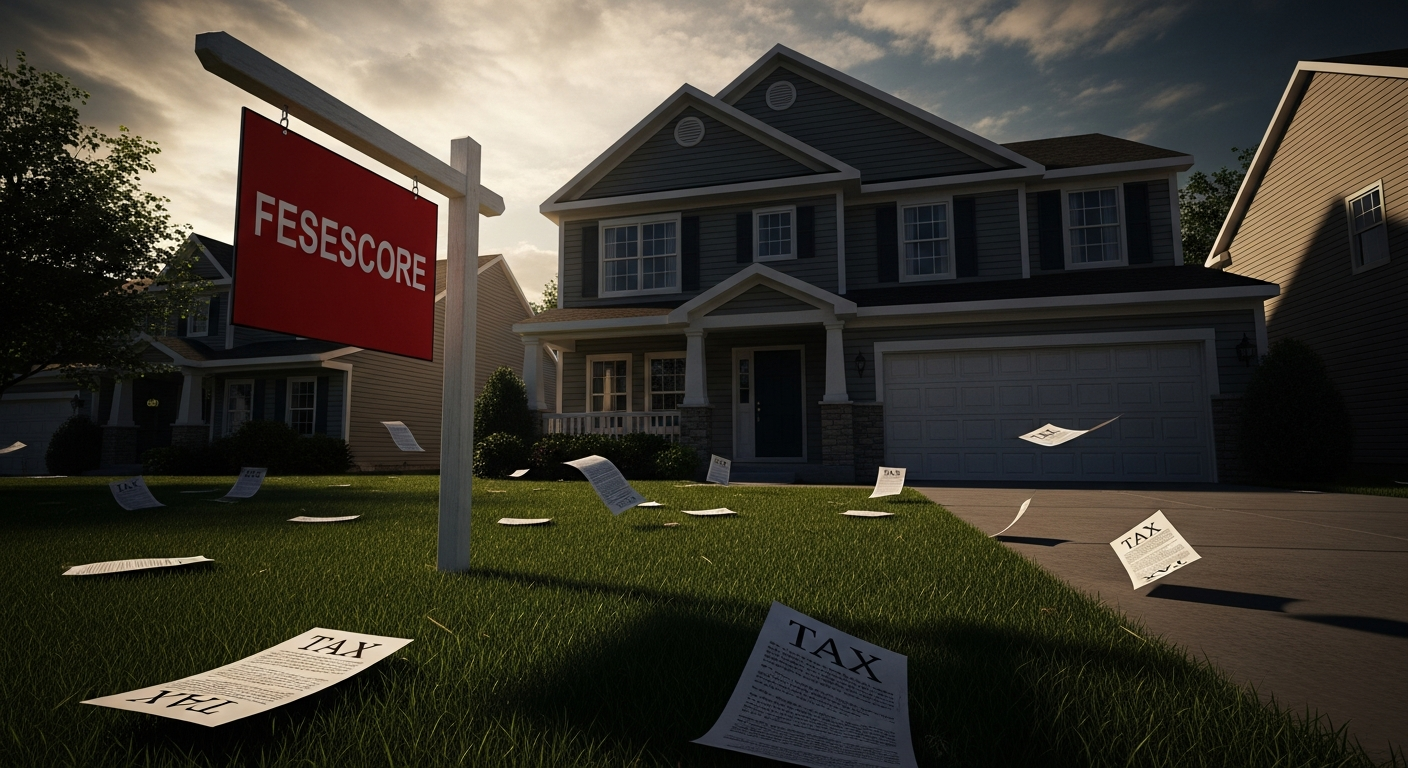
Unpaid property taxes can lead to a tax lien on your home, which may result in foreclosure.
Tax debt foreclosure is different from mortgage debt foreclosure, involving a taxing authority selling the lien.
You have options to prevent foreclosure, such as disputing your property's assessed market value or negotiating with the taxing authority.
A short sale can be a viable alternative to foreclosure, allowing you to sell your home for less than what you owe.
Understanding the process and your rights is the first step toward protecting your home from foreclosure due to tax debt.
Introduction
Facing the possibility of losing your home can be incredibly stressful, especially when it's due to unpaid taxes. This article provides general information to help you understand the connection between tax debt and foreclosure in the real estate market. We'll explore what happens when you fall behind on property taxes, the different types of foreclosure, and the steps you can take to protect your home. Building a strong client relationship starts with clear information, and our goal is to empower you with knowledge.
Understanding Tax Debt and Its Impact on Homeownership
Tax debt, specifically unpaid property taxes, poses a significant threat to your homeownership. When you don't pay your property taxes, the local taxing authority can place a legal claim, or lien, on your property. This lien gives them the right to collect the unpaid taxes, which can eventually lead to foreclosure proceedings.
The answer to whether unpaid tax debt can cause you to lose your home is, unfortunately, yes. If the debt remains unpaid, the taxing authority can sell the tax lien, and the purchaser can initiate foreclosure to take ownership of your property. This process can happen even if you are current on your mortgage payments.
What Counts as Tax Debt on Your Home in the United States
In the context of homeownership, tax debt almost always refers to unpaid property taxes. These are the annual taxes levied by your local government—county, city, or school district—based on your property's assessed value. When these taxes go unpaid, they become a debt attached directly to your real estate.
This debt is unique because it takes priority over most other liens on your home, including your mortgage. This means that owing property taxes significantly increases your risk of foreclosure. The taxing authority has a powerful tool to collect what's owed: placing a lien on your home.
If the lien isn't paid, the taxing authority can proceed with a tax lien sale. In this process, the right to collect the debt is sold to a third party, often a private company. This new lien holder then has the power to foreclose on your home if you don't pay them the outstanding amount, plus interest and penalties.
Differences Between Property Tax Debt and Other Types of Home Debt
Property tax debt and mortgage debt are the two primary financial obligations tied to your home, but they are treated very differently. Mortgage debt is a loan from a lender to purchase the property, while property tax is an obligation to the government. A key difference lies in priority; property tax liens are often "super-priority" liens, meaning they must be paid before the mortgage in a foreclosure scenario.
How forgiven or canceled debts are taxed also differs. After a mortgage foreclosure or short sale, any forgiven mortgage debt might be considered taxable as ordinary income. However, legislative acts like the Mortgage Debt Relief Act have provided exclusions for this on a primary residence. Forgiven property tax debt, interest, or penalties are typically not treated as income in the same way.
Foreclosure Basics: Mortgage Foreclosure Versus Tax Lien Foreclosure
When you hear the word foreclosure, you most likely think of a lender repossessing a home due to missed mortgage payments. This is known as a mortgage foreclosure. However, there's another type you should be aware of: tax lien foreclosure. The primary difference between tax lien foreclosure and mortgage foreclosure is who initiates the action. In a mortgage foreclosure, it's the lender; in a tax lien foreclosure, it's the holder of the tax lien.
This distinction is crucial because the processes and timelines can vary significantly. A mortgage foreclosure is a direct action by your lender, while a tax lien foreclosure begins with a tax sale where your debt is sold to a new holder. This new beneficiary of the lien then has the right to foreclose if the debt isn't settled.
How Mortgage Foreclosure Works in Relation to Tax Debts
A mortgage foreclosure occurs when you fail to make payments on your home loan, and the lender takes possession of the property to recoup their losses. The process typically begins after several months of non-payment. The lender sells the home, and if the sale price is less than the remaining mortgage debt, the difference is called a deficiency.
Even in a mortgage foreclosure, unpaid property taxes play a critical role. Because tax liens have priority, the funds from the foreclosure sale must first go toward paying any outstanding property taxes before the lender receives any money. This reduces the amount available to cover the mortgage debt, increasing the likelihood of a deficiency for the homeowner.
The tax consequences of foreclosure can be complex. The IRS considers a foreclosure a "sale." If the amount of the debt canceled by the lender exceeds the home's fair market value, that canceled debt could be treated as taxable income. While laws exist to exclude this forgiven debt on a primary residence, it's a critical aspect to consider and discuss with a professional.
The Tax Lien Foreclosure Process Explained
The tax lien foreclosure process begins when you fall behind on your property taxes. Unlike a mortgage foreclosure, your local government doesn't immediately take your home. Instead, the taxing authority places a tax lien on your property for the amount of the unpaid taxes.
If the debt remains unpaid, the taxing authority can initiate a tax lien sale, or lien sale. In this sale, they sell the lien to a private investor or company. This allows the government to get its money right away. The investor who buys the lien now has the right to collect the debt from you, including interest and penalties.
The new lien holder must follow specific legal steps before they can foreclose. Generally, the process works like this:
The property owner is notified that the lien has been sold.
There is a waiting period, often called a redemption period, during which you can pay the debt and reclaim the property. In Florida, for example, this can be up to two years.
If the debt is not paid by the end of the redemption period, the lien holder can file a lawsuit to foreclose on the property.
Steps to Prevent Foreclosure When Facing Tax Debt
Yes, there are absolutely steps you can take to prevent foreclosure if you have tax debt. Facing foreclosure due to unpaid taxes can feel overwhelming, but you have options. The key is to act quickly and understand your rights. From disputing the amount you owe to negotiating a payment plan, proactive measures can help you keep your home.
Don't ignore notices or assume the situation is hopeless. You can challenge the assessed market value of your property, seek exemptions that might lower your tax bill, or explore alternatives like a short sale. These strategies can provide the breathing room you need to resolve the unpaid taxes and avoid a foreclosure sale.
Strategies to Address and Settle Unpaid Property Taxes
When you receive an invoice for unpaid property taxes, your first step should be to explore all available strategies to settle the debt. Often, homeowners have more options than they realize. You don't always have to pay the full amount claimed, especially if there are grounds to dispute it.
In states like Florida, property tax laws provide specific avenues for homeowners. For instance, Florida allows homeowners a two-year redemption period after a tax lien is sold, giving them time to pay off the debt. This is designed to help homeowners avoid foreclosure. You can also formally challenge the assessment of your property's value, which could lower your tax bill.
Here are some effective strategies to address unpaid property taxes:
Dispute the Assessment: File an appeal with your county's value adjustment board if you believe your property's assessed value is too high.
Seek Exemptions: Check if you qualify for any property tax exemptions based on age, income, or personal status, which can reduce your liability.
Negotiate with the Taxing Authority: In some cases, you may be able to negotiate a payment plan or a waiver of penalties and interest.
Redeem the Property: If a tax lien has been sold, you can "redeem" it by paying the full amount owed before the redemption period expires.
Short Sale as a Solution for Homeowners with Outstanding Tax Debt
A short sale can be an effective way to avoid foreclosure caused by outstanding tax debt. A short sale occurs when you sell your home for less than the total debt you owe on it, with your lender's permission. While it's typically associated with mortgage debt, it can also be a solution when tax debt is the primary issue pushing you toward foreclosure.
This option is particularly useful if your home's market value has dropped, leaving you "underwater." By arranging a short sale, you can satisfy your creditors and prevent the long-term negative impact of a foreclosure on your credit report. The lender agrees to accept the sale price, which is often close to the fair market value, as a settlement of the debt.
A successful short sale requires negotiation with both your mortgage lender and any tax lien holders. The proceeds from the sale are used to pay off these debts. While not an ideal outcome, a short sale allows you to walk away from an unmanageable financial situation without a foreclosure on your record, giving you a fresh start.
Conclusion
In conclusion, understanding the relationship between tax debt and foreclosure is crucial for homeowners. Tax debt can significantly affect your financial stability and homeownership, potentially leading to foreclosure if not managed properly. By recognizing the differences between property tax and other home debts, as well as the various types of foreclosure processes, you can better navigate these challenges. Implementing proactive strategies, such as addressing unpaid taxes and considering options like short sales, can help you avoid the drastic consequences of foreclosure. Stay informed and take charge of your financial well-being!