Key Highlights
Staying on top of mortgage payments and acting early supports foreclosure prevention before the foreclosure process advances.
Even basic home repair and cleanup can help protect property value if you need to sell fast.
Missed payments often trigger demand letter pressure, late fees, and foreclosure proceedings, so respond quickly.
Ask your mortgage servicer about loss mitigation options like loan modification, forbearance, or a repayment plan.
Look into government assistance through the department of housing, urban development and the homeowner assistance fund.
A senior homeowner may have added options, including specialized counseling and mortgage relief paths.
Introduction
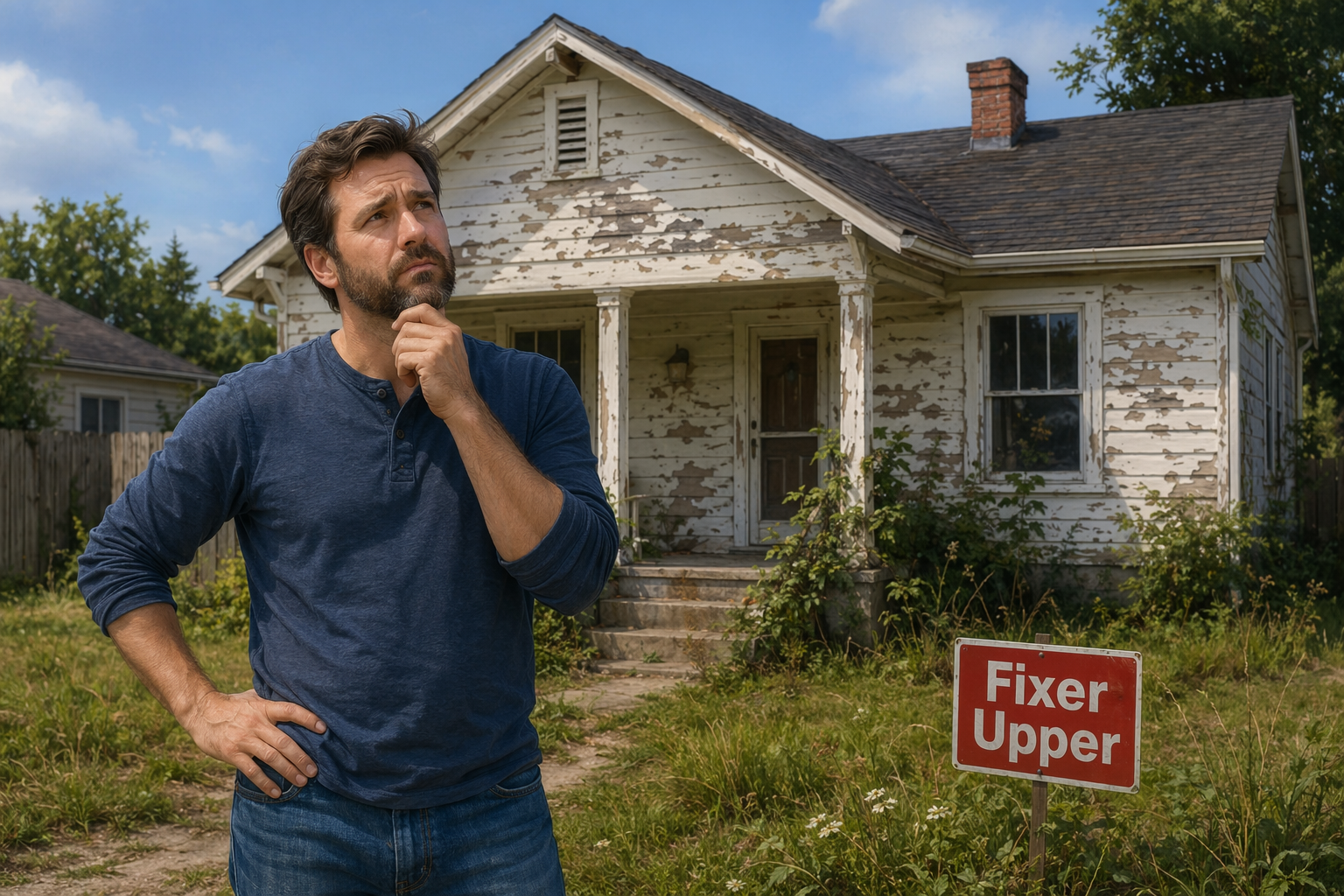
Home repairs won’t erase missed mortgage payments, but the way your home looks and functions can still matter when you’re working on foreclosure prevention. Foreclosure is a legal process with steps and deadlines, and you often have more time than you think to act. If you’re worried about falling behind, small fixes and smart planning can support your next move, whether that’s negotiating with your lender or preparing the home for a quick sale before the foreclosure process reaches auction.
Understanding Foreclosure and Its Causes
Foreclosure happens because your mortgage loan uses the home as collateral. When due payments aren’t made, a mortgage servicer can start foreclosure proceedings that follow your loan documents, federal rules, and state law.
Most cases start with missed payments tied to financial hardship. The timeline varies, and your credit report can be affected for years. The department of housing, urban development can help you understand options, but you need to open letters, respond, and ask for loss mitigation early instead of waiting.
Common Reasons Homes Face Foreclosure
Foreclosure usually begins when missed payments pile up and you can’t get the mortgage current. Once you’re in financial distress, costs can grow through late fees and legal expenses, and a mortgage lender may accelerate the loan balance after formal notices.
You might first see calls, then a mailed warning, then a demand letter that gives a short window to fix the problem. If you also have credit card debt or other bills, it can feel impossible, but this is also the point where loss mitigation can still help.
Common triggers include:
Job loss or another financial distress event leading to missed payments
Ignoring lender contact until a demand letter arrives
Falling behind and needing a repayment plan or loan modification
Owing more over time because of late fees and added costs
The Role of Home Condition in Foreclosure Risk
Your home condition doesn’t replace paying the mortgage, but it can shape your options during foreclosure prevention. Why? Because foreclosure is not instant, and many solutions depend on what you can do next: negotiate, reinstate, refinance, or sell.
If selling becomes your best real estate exit, home repair work can support a stronger property value and a faster listing. Even simple steps like updated paint colors and basic adjustments can help the home stand out, which matters when time is tight.
Home equity is also tied to condition and market response. If your primary residence presents well, you may have an easier time attracting buyers quickly or supporting discussions about fair market value while you work with your servicer.
Why Home Repairs Matter in Preventing Foreclosure
Home repair matters most when it protects choices. If foreclosure prevention ends up requiring a sale, better condition can help protect property value and reduce delays that waste precious time.
At the same time, your mortgage loan and loan terms are still the main issue. Repairs won’t replace a loan modification or repayment plan, but they can support a cleaner path if you must market the home or prove you’re acting responsibly while seeking loss mitigation.
Connecting Maintenance to Mortgage Eligibility
Think of mortgage eligibility as a moving target tied to your financial situation and timing. If you reach out early, a mortgage lender or servicer may review loss mitigation paperwork, and federal rules can limit dual tracking when a complete application is under review.
Maintenance fits in as part of your overall plan, especially if you may need to sell instead of staying. A home repair or refresh can help your real estate listing compete, which can matter if you’re trying to avoid foreclosure proceedings by closing a sale before an auction date.
If you’re applying for a loan modification, focus first on communication and documentation. Then, if money allows, prioritize low-cost improvements that help the home show well, because options shrink as deadlines approach.
How Repairs Influence Property Value and Loan Terms
When you’re under pressure, property value becomes practical, not theoretical. If you need to sell, fair market value and buyer interest influence whether the sale can cover the mortgage loan payoff and how much loan balance might remain.
Simple home repair choices can make the home stand out and support a quicker transaction. That matters because the foreclosure timeline can move from notice to sale, and delays can reduce your control over outcomes.
High-Risk Home Repairs That Shouldn’t Be Ignored
Some repairs carry higher foreclosure risk because they can block a fast sale or create new problems during an already stressful period. If your home has structural issues or safety hazards, you may have fewer realistic ways to exit the mortgage loan before deadlines.
Talk to your mortgage servicer early and be honest about what’s going on with the home. Next, it helps to name the biggest issues clearly, so you can decide what to fix now versus what belongs in a longer plan.
Structural Issues and Safety Hazards
Big problems can shrink your choices. If foreclosure prevention depends on selling, real estate buyers may hesitate when they see structural issues or safety hazards, and that can drag out your timeline.
You don’t need a perfect property, but you do need a plan. If you’re trying to resolve a loan balance through a sale or negotiation, you want fewer surprises that slow things down.
High-risk categories to flag quickly include:
Visible structural issues that could discourage buyers or complicate negotiations
Safety hazards that make the home harder to show or insure
Problems that delay a listing, appraisal, or buyer financing decision
Conditions that reduce interest and push the home toward a lower offer
Plumbing, Electrical, and Roofing Problems
If you already know there are plumbing, electrical, or roofing concerns, treat them as time-sensitive because they can create safety hazards and slow down your next step. That “next step” might be listing the property, working through a workout, or simply keeping the home stable while your file is reviewed.
The foreclosure process moves through notices and legal stages. Any delay caused by avoidable home repair problems can make it harder to act within the amount of time you have.
Keep your mortgage servicer in the loop when your home needs urgent attention. Clear communication helps when you’re also asking about loss mitigation options, because you’re showing you’re actively managing the situation instead of ignoring it.
Neglecting Maintenance: Risks and Consequences
Neglected maintenance can make a hard situation worse. If you’re pursuing foreclosure prevention through a sale, the property market value may drop when the home looks uncared for, or when buyers expect extra work.
There’s also the risk of code violations, which can bring extra pressure and deadlines. While mortgage eligibility depends mainly on your finances and paperwork, a home that’s harder to sell or stabilize can limit choices once foreclosure proceedings start moving faster.
Code Violations and Their Impact on Foreclosure
Code violations can add urgency at the worst time. They can create extra notices, costs, and stress while you’re already trying to respond to foreclosure proceedings. Because timelines and enforcement vary by state law, what happens next can depend on where you live.
From a practical standpoint, violations can also complicate a sale to a third party. If you’re trying to avoid foreclosure by selling the home before auction, anything that slows closing can push you closer to the lender’s deadlines.
If you’re facing legal action or threats related to property conditions, contact a mortgage lender or servicer and ask for loss mitigation review right away. Pair that with help from a housing counselor so you don’t miss key steps.
Declining Neighborhood and Property Market Value
Sometimes your biggest challenge is speed. If property market value is soft because of neighborhood decline, you may have less room to price high and wait. That can make foreclosure prevention feel tighter, even if you’re trying to do everything right.
Home repair and presentation still matter in this environment. When buyers compare homes, the one that stands out through better care and clearer upkeep can have an advantage, even when fair market value is under pressure.
Real estate decisions also connect to timing in the foreclosure process. If selling is your path, don’t wait for the “perfect” market moment. Focus on a realistic plan that matches your timeline and keeps options open.
Urgent Repairs to Address When Foreclosure Threatens
A foreclosure threat is a timing problem as much as a money problem. The foreclosure process can move from missed payments to notices and then toward a sale date, so urgent home repair tasks should support your immediate goal.
If you’re applying for loan modification or other loss mitigation options, prioritize repairs that remove obvious obstacles to selling or staying safe in the home while paperwork is reviewed. Next, it helps to separate what must be done now from what can wait.
Emergency Fixes vs. Long-Term Improvements
When you’re close to foreclosure proceedings, think in two lanes. Emergency repairs protect stability and help you keep moving forward without interruptions. Long-term improvements can wait until your situation is safer.
If you’re talking with your mortgage servicer about a loan modification, you may need to focus on what helps right now, not what looks nice later. You’re trying to buy time and keep options open.
A simple way to sort work fast:
Emergency repairs: issues that threaten safety hazards or block showings
Emergency repairs: problems that could stop a quick sale from closing
Long-term improvements: upgrades that are “nice to have” but not urgent
Long-term improvements: projects better done after payments and paperwork stabilize
Prioritizing Repairs to Meet Lender Requirements
Start by asking questions. Your servicer can explain lender requirements for a loss mitigation file, deadlines, and what documents are needed for loan modification review. That step often matters more than any single repair decision.
Next, align prioritized repairs with your foreclosure prevention strategy. If you plan to sell, focus on what helps the home show well and reduces buyer pushback. If you plan to keep the home, focus on what helps you stay stable while your mortgage loan workout is reviewed.
Finally, document what you’re doing and keep communication open. In many cases, lenders are motivated to avoid foreclosure, but they need to believe working with you is the safer option than moving ahead.
Government Assistance and Foreclosure Prevention Programs
You don’t have to handle this alone. Government assistance can support foreclosure prevention by connecting you with reputable help and, in some cases, direct resources. Start with the department of housing, urban development to find free, approved counseling.
You can also look at programs created for mortgage relief during widespread hardship, including the homeowner assistance fund. These options can work alongside lender solutions like forbearance, repayment plans, or modifications. Next up are repair-focused resources and mortgage programs that may apply.
Grants for Home Repairs
If repairs are part of your survival plan, ask about home repair grants through local governments and connected housing programs. Because programs change, getting current information is important, especially when you’re facing urgent deadlines.
A good first place to start is the department of housing, urban development. HUD resources can point you toward foreclosure prevention counseling and local offices that know what’s available in your area.
You can also ask whether the homeowner assistance fund in your state can support mortgage relief needs that connect to keeping the home stable. Even when funding isn’t labeled “repairs,” it may help reduce pressure so you can redirect money toward needed fixes.
Federally Supported Mortgage Relief Options
Federally supported mortgage relief is often routed through your mortgage servicer, with guidance and information available through the department of housing, urban development. The key is to ask early, respond to letters, and submit complete information by the required deadline.
Your servicer may offer loss mitigation options designed to avoid foreclosure, especially when a hardship is temporary. Foreclosure prevention counseling can help you understand choices and avoid scams.
Common relief paths mentioned in federal and lender guidance include:
Forbearance that pauses payments for a period of time
A repayment plan to catch up on overdue amounts over time
Loan modification that changes terms to lower monthly payments
Refinance options tied to Fannie Mae or Freddie Mac program pathways
Using Loans for Home Repairs During Financial Hardship
Taking on home improvement loans during financial hardship can be risky, especially if you’re already behind on a mortgage loan. Still, some homeowners consider new loan tools when repairs affect the ability to sell quickly or stabilize the home.
Before you borrow, check whether a loan modification, forbearance, or repayment plan can create breathing room during the foreclosure process. A housing counselor can help you compare choices, because borrowing may raise monthly obligations at the wrong time.
Types of Home Improvement Loans
Different financing tools get mentioned when homeowners try to fund repairs, but your best option depends on timing and your overall budget. If you’re already in trouble on the mortgage, talk to your servicer and a counselor before adding new debt.
Home equity based borrowing may sound appealing, but it still depends on qualification and your current status. Some people also rely on smaller purchase strategies to cover materials, though that can shift debt to other accounts.
Common funding buckets people explore include:
A line of credit tied to home equity
Loan products offered through a mortgage lender
Using existing credit to buy repair supplies at a hardware store
Refinance-based solutions when you are still eligible and current
Pros and Cons of Financing Repairs While Behind on Mortgage
Financing repairs with a home improvement loan while you’re behind can help in one narrow way: it may support a faster sale or reduce obstacles while you work on a plan. If the home needs work to show well, money spent now could protect timing.
The downside is simple. When you’re already in financial distress, another debt adds pressure. Even a small interest rate can raise total monthly payments, and that can make it harder to stick to a repayment plan or a trial payment schedule.
If you’re choosing between borrowing and applying for loan modification, start with your servicer’s loss mitigation process. Borrowing should not replace the step of asking for help and submitting a complete hardship application.
Senior Homeowners, Expensive Repairs, and Foreclosure Risk
For a senior homeowner, an expensive repair can collide with fixed income and raise foreclosure risk. If Social Security is your main income, even a short disruption can make mortgage payments harder to manage.
One option discussed for older homeowners is a home equity conversion mortgage, often connected to federal housing administration structures. This approach can reduce the need for monthly mortgage payments by using equity, but it comes with tradeoffs, so it’s smart to review it with a counselor before you decide.
Benefits of Special Senior Assistance Programs
Senior-focused assistance programs can help you slow down and make a clear decision, especially when the paperwork and timelines feel overwhelming. The goal is to avoid rushed choices that create new problems later.
A home equity conversion mortgage is one example that may fit a senior homeowner who has equity and needs relief from monthly mortgage payments. Because this is tied to federal housing administration rules, eligibility and outcomes depend on details, so guidance matters.
Start with a reputable counseling agency. HUD-approved help is free, and a counselor can explain mortgage relief options, how your servicer’s process works, and what questions to ask before signing anything. That support can be just as valuable as the program itself.
Strategies for Minimizing Repair-Related Foreclosure Issues
When repairs and payments collide, you need a plan that respects time and energy. For a senior homeowner, the best strategy is often the one that reduces stress while still moving you toward foreclosure prevention.
Start by getting support early. A counseling agency can help you organize documents, contact the servicer, and understand loss mitigation options before the foreclosure process reaches the final stages.
Practical steps that often help:
Call your servicer as soon as you expect trouble and ask about loss mitigation options
Keep all letters and deadlines in one place so nothing gets missed
Use simple home repair and presentation steps if selling may be necessary
Get free help from a HUD-approved counselor before signing agreements or paying anyone
Conclusion
In conclusion, taking proactive steps in home repairs can significantly mitigate the risk of foreclosure. By addressing common maintenance issues and ensuring your property remains in good condition, you not only enhance its value but also safeguard your mortgage eligibility. Ignoring necessary repairs can lead to safety hazards, code violations, and a decline in property market value, all of which can worsen your financial situation. Whether it’s tackling urgent repairs or exploring government assistance programs, being diligent about home maintenance is crucial. If you’re unsure where to start, consider reaching out for professional help or advice that can guide you through the process and protect your home. Remember, your well-being and peace of mind start at home!
Frequently Asked Questions
Can fixing code violations stop foreclosure proceedings?
Fixing code violations may reduce added pressure, but it doesn’t automatically stop foreclosure proceedings. The timeline is still driven by your loan status, state law, and deadlines in the legal action. Use the department of housing, urban development to find a counselor and coordinate repairs with a loss mitigation request.
How do home repair grants or loans help homeowners facing foreclosure?
Home repair grants or loans can help when financial hardship makes it tough to maintain the home while you pursue foreclosure prevention. By stabilizing the property, you may be better positioned to sell quickly or avoid delays. For mortgage relief guidance, start with the department of housing, urban development and a HUD-approved counselor.