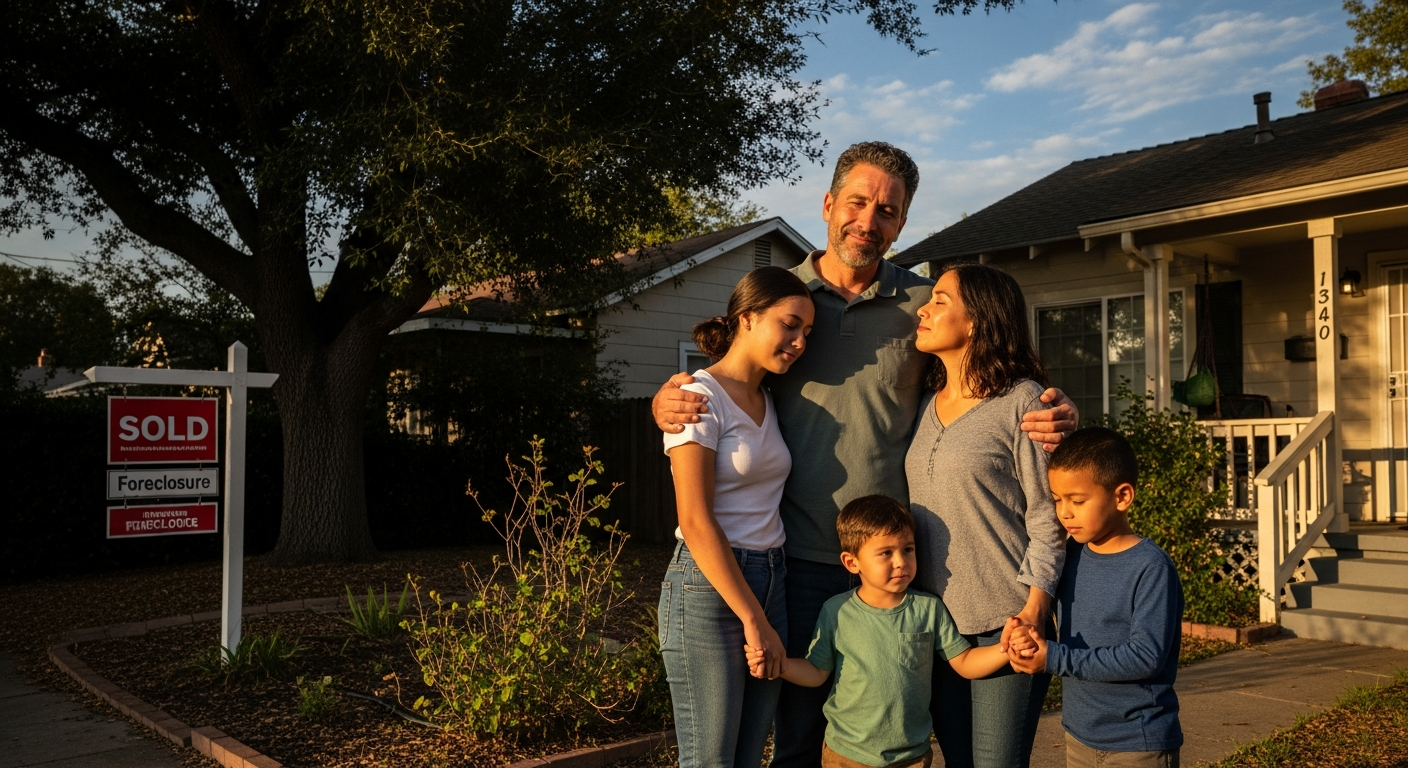
Here's what you need to know about navigating the aftermath of foreclosure:
Understand that the foreclosure process varies by state, impacting your options.
Facing foreclosure involves significant challenges, including a major hit to your credit score.
Rebuilding your finances involves creating a budget, managing debt, and improving your credit.
Legal resources and government programs can provide support and guidance.
You can recover and even achieve homeownership again with careful planning.
Exploring your housing options in the current real estate market is a key step to moving forward.
Introduction
Facing difficulties with your mortgage payments can be incredibly stressful, and the thought of the foreclosure process is daunting. Many hardworking people find themselves in this situation, especially during a financial crisis that impacts the entire housing market. It's easy to feel overwhelmed and unsure of where to turn. This guide is here to offer compassionate, practical information to help you navigate this tough time. You have options, and understanding them is the first step toward regaining control and finding a path forward.
Understanding Foreclosure in the United States
Foreclosure in the United States is a legal process lenders use to recover the balance of a loan from a borrower who has stopped making mortgage payments. It became a widespread issue during the housing crisis, affecting millions of homeowners and creating a severe financial crisis.
Understanding how this works is crucial for anyone facing this challenge. The process takes time, offering you a window to evaluate your options and make smart choices. With the right information, you can decide whether to fight to keep your home or move on. Let's explore what causes foreclosure, the steps involved, and its lasting effects.
What Triggers Foreclosure Events
Foreclosure is typically triggered when a homeowner falls behind on their mortgage payments. A variety of life events can lead to this difficult situation. A sudden job loss, unexpected medical bills, or a divorce can disrupt your ability to keep up with monthly obligations. During a widespread financial crisis, these individual struggles can become much more common across the housing market.
Adjustable-rate mortgages (ARMs) can also be a significant factor. Homeowners might find their payments manageable at first, but when interest rates reset to a higher level, the new payment amount can become unaffordable. This sudden spike in costs is a common trigger for default. People often face the challenge of finding affordable housing after losing their home, which is a major hurdle.
Some of the most common triggers include:
Missing a certain number of mortgage payments as defined by your lender.
Significant life events like unemployment or major illness.
Sharp increases in monthly payments due to adjustable interest rates.
The Foreclosure Process Step by Step
The foreclosure process can seem complicated, but it generally follows a set timeline. It begins after you've missed several mortgage payments. Your lender will send you a notice of default, letting you know that foreclosure proceedings are about to begin. This period is your opportunity to try and work out a plan with the lender or seek legal resources for homeowners.
The specific steps and timeframe can vary significantly depending on your state's laws. Some states require a court process, while others do not. Regardless of the path, the outcome is often a foreclosure sale where your real estate is sold to a new owner. This event is reported to major credit bureaus, impacting your credit history.
Long-Term Effects of Foreclosure
A foreclosure has significant long-term consequences that extend beyond losing your home. One of the most immediate impacts is on your credit score, which can drop substantially. This mark on your credit report will stay for up to seven years, making it difficult to qualify for new loans, credit cards, or even some rental housing. Rebuilding your financial stability after such a hit takes time and disciplined effort.
The emotional toll can also be profound. For many, homeownership is a core part of the American dream, and losing a house can bring feelings of failure, shame, and stress. This experience can challenge your sense of security and well-being, affecting you and your family for years to come.
Furthermore, foreclosures can impact the wider community by lowering surrounding property values. While the negative mark on your credit isn't permanent, improving your credit afterwards requires consistent on-time payments and careful financial management. It's a long road, but recovery is possible.
Common Challenges After Losing a Home
Losing a home is a major financial setback that brings a host of challenges. You may still be responsible for debt payments, and navigating the rental housing market with a foreclosure on your record can be difficult. This period is often marked by uncertainty and stress.
Beyond the financial strain, the experience takes a toll on your emotional health and can disrupt your family life. The foreclosure crisis showed how these personal struggles ripple outward. Understanding these common hurdles is the first step in addressing them and starting the recovery process.
Financial Setbacks and Debt
After a foreclosure, your financial situation can be precarious. One of the biggest challenges is dealing with remaining debt. In some cases, if the foreclosure sale doesn't cover the full mortgage balance, the lender may seek a "deficiency judgment," meaning you could still owe them money. This, along with other debt payments like credit cards or medical bills, can feel overwhelming.
This financial strain is reflected in your credit report, which the major credit bureaus will update to show the foreclosure. This can make it much harder to get approved for new credit or loans at favorable rates. Rebuilding requires a clear assessment of your new financial reality.
To recover financially, you need to create a new budget based on your current income and expenses. Prioritizing which debts to pay off first and understanding all your financial obligations is a critical first step toward getting back on your feet and improving your financial situation over time.
Emotional and Mental Health Impacts
The stress of foreclosure doesn't end once you've left the home. It's a profoundly difficult experience that can lead to feelings of shame, anxiety, and depression. Many people who go through it feel like they've failed, especially if they had steady jobs and were pursuing the American dream of homeownership. This bad situation can take a significant toll on your mental well-being.
It’s common to feel a sense of loss that goes beyond the physical structure. A home is a place of security, memories, and identity. Losing it can feel like losing a part of yourself. This emotional weight is one of the most common challenges people face and can make it difficult to focus on the practical steps needed for recovery.
Acknowledging these feelings is a crucial part of healing. It’s important to remember that you are not alone and that this setback does not define you. Seeking support from friends, family, or mental health professionals can provide the strength needed to navigate this difficult time and begin to rebuild your life.
Family and Social Disruption
The ripple effects of foreclosure often extend to your family and social life, causing significant disruption. Moving to a new place means uprooting your family, which can be especially hard on children who have to change schools and leave their friends behind. This instability can create tension and stress within the family unit as everyone adjusts to a new environment and routine.
Beyond your immediate family, your social connections can also be affected. You might move away from a community where you had strong ties, losing a support network of neighbors and friends. This social disruption can lead to feelings of isolation, which is a common challenge for those recovering from the housing bubble's collapse.
Finding stability again takes time. The process involves not just securing a new home but also rebuilding social networks and helping your family adapt. It requires patience and open communication to navigate the changes and re-establish a sense of normalcy and belonging in a new community.
Legal Help and Resources for Homeowners
When you're facing foreclosure proceedings, you don't have to go through it alone. There are legal resources available to help you understand your rights and options. Consulting with a real estate attorney or foreclosure defense lawyers can provide you with a clear path forward.
These professionals can help you navigate complex laws, negotiate with lenders, or even fight the foreclosure in court. Many non-profit organizations also offer free legal aid to those who qualify. Exploring these avenues can give you the support you need to make the best decision for your situation. Here's how you can find and use these resources.
Navigating Foreclosure Laws in the U.S.
Foreclosure laws in the United States vary significantly from state to state, which can make the foreclosure process confusing. Understanding the specific rules in your location is essential for protecting your rights. Some states have longer timelines, giving you more time to find a solution, while others move much more quickly.
A real estate attorney can be an invaluable resource in this situation. They can explain the nuances of your state's foreclosure laws and help you understand the notices you receive from your lender. This legal guidance is a key form of support for homeowners facing foreclosure.
Whether you have the right to "cure" the default by catching up on payments or if the lender is required to go through the court system are questions determined by state law. An attorney can help you identify any potential defenses you may have and guide you through each step, ensuring you don't miss any critical deadlines.
Accessing Legal Aid and Support Services
If you're facing foreclosure proceedings, finding affordable legal help is possible. Many communities have legal aid societies that offer free or low-cost services to eligible individuals. These organizations are dedicated to helping people who cannot afford to hire a private attorney and can be a lifeline during a difficult time.
Additionally, many law firms that specialize in real estate offer initial consultations for free or at a reduced rate. These meetings can help you understand your options without a significant financial commitment. Foreclosure defense lawyers can review your case and advise you on the best course of action, which might include negotiating with your lender or representing you in court.
Here are some places to look for legal support:
HUD-certified housing counselors, who can offer guidance and referrals.
State and local bar associations, which often have referral services.
Non-profit legal aid organizations in your area.
Understanding Judicial vs. Non-Judicial Foreclosure
The foreclosure process generally falls into two categories: judicial and non-judicial. The type used depends on your state's laws and what was agreed upon in your mortgage documents. A judicial foreclosure means the lender must file a lawsuit and go through the court system to foreclose on your home. This process is generally longer and provides more opportunities for the homeowner to raise defenses.
On the other hand, non-judicial foreclosure does not involve the courts. This process is usually faster and is permitted if your mortgage contains a "power of sale" clause. The lender simply needs to follow a series of state-specific steps, such as sending you notices and publishing a notice of the sale.
Understanding which process applies to you is critical. A judicial foreclosure offers built-in legal oversight, while a non-judicial foreclosure may require you to file your own lawsuit to challenge it. This distinction highlights why seeking legal support is so important, as your strategic options will differ greatly depending on the type of foreclosure you are facing in the current real estate market.
Community Recovery from Foreclosure Crisis
The foreclosure crisis was more than just a housing crisis; it devastated entire neighborhoods. When many homes in an area are foreclosed upon, property values drop, and the community's financial stability is shaken. Vacant homes can attract crime and lead to blight, affecting everyone.
However, many communities have shown incredible resilience in the face of this challenge. Through collaborative efforts and strategic initiatives, areas hit hard by the real estate market collapse have managed to rebuild and recover. Let's look at some examples and the strategies they used.
Case Studies of Hard-Hit Areas
During the foreclosure crisis, certain states felt the impact more severely than others. States like Florida, often called the Sunshine State, and New York were among those with high rates of foreclosure, which devastated their local housing market. These areas became case studies in both the crisis and the subsequent recovery efforts.
Neighborhoods in these states saw a sharp increase in vacant properties, which led to a decline in community morale and safety. The latest data from that period shows how concentrated foreclosures could destabilize an entire region's economy. However, these hard-hit areas also became centers of innovation for community rebuilding.
Local governments, non-profits, and residents came together to address the blight and restore their neighborhoods. They managed to rebuild through targeted programs aimed at rehabilitating homes and supporting new homeowners.
Collaborative Efforts for Local Rebuilding
Successful community rebuilding after the foreclosure crisis often depended on strong collaborative efforts. Many cities and counties formed a dedicated foreclosure task force to coordinate responses. These groups brought together government officials, non-profit leaders, and local residents to create a unified strategy for tackling the issues.
Law firms also played a role by providing pro bono services to homeowners and community groups, helping navigate the complex legal landscape of real estate and foreclosure. This legal support was crucial for ensuring that rebuilding efforts were fair and effective. Community land trusts and other non-profits worked to acquire and rehabilitate vacant properties, turning them back into affordable housing.
These partnerships were essential for turning the tide. Some key collaborative efforts included:
Establishing land banks to manage and repurpose abandoned properties.
Launching neighborhood stabilization programs with federal funding.
Partnering with local banks to create financing options for new buyers.
Timeframes for Economic and Social Recovery
The timeline for a community's economic recovery after a foreclosure crisis can be long and varied. It often takes a significant period of time, sometimes a decade or more, for a neighborhood to fully bounce back from the effects of the housing bubble bursting. The first signs of recovery are typically a stabilization of property values and a decrease in the number of vacant homes.
Social recovery often takes even longer. Rebuilding a sense of community, trust, and safety can be a slow process. It depends on residents feeling secure in their homes and invested in their neighborhood's future. This social fabric is fragile and takes time to repair after the disruption caused by widespread foreclosures.
Ultimately, there is no set timeframe for how long it takes a community to recover. It depends on the severity of the crisis in that area, the effectiveness of local rebuilding efforts, and broader economic trends. Consistent, long-term investment and community engagement are key to a successful and lasting recovery.
Exploring Government Programs for Foreclosure Relief
In response to the foreclosure crisis, the federal government and many states launched programs to help homeowners. Under President Obama, initiatives funded by TARP money were created to provide foreclosure relief and help stabilize the housing market. These programs offered a lifeline to many families at risk of losing their homes.
While some of these specific programs have ended, government assistance for homeowners in distress continues to be available. Federal regulators have put rules in place to protect consumers, and various agencies offer support. Let's explore some of these federal and state-level options.
Federal Assistance Initiatives
During the height of the foreclosure crisis, the Obama administration rolled out several major federal initiatives to help homeowners. Programs like the Home Affordable Refinance Program (HARP) were designed to help homeowners who were current on their mortgage but owed more than their home was worth. This affordable refinance program allowed them to secure a more stable, affordable mortgage.
Much of the funding for these initiatives came from the Troubled Asset Relief Program (TARP), often referred to as TARP money. These programs were overseen by federal regulators to ensure they provided meaningful relief. The goal was to prevent foreclosures where possible and mitigate the damage to the housing market.
While many of these crisis-era programs have wound down, the principles behind them continue to influence housing policy. Today, federal agencies like the Department of Housing and Urban Development (HUD) offer counseling and other forms of assistance to help homeowners avoid foreclosure and bounce back from financial hardship.
State and Local Support Options
In addition to federal aid, many states have their own programs to provide foreclosure relief. These state programs are often tailored to the specific needs of the local real estate market and can offer a range of support, from emergency financial assistance to mediation services between homeowners and lenders.
You can often find information about these resources by visiting your state's housing finance agency website. Local support is also available through non-profit organizations and community action agencies. These groups may offer grants to help you catch up on mortgage payments or provide free counseling to help you navigate your options.
It's always a good idea to research what's available in your specific area, as the types of help can vary widely. Whether it's a state-run loan modification program or a local non-profit that can connect you with legal aid, these resources are designed to help you bounce back and stay in your home if possible.
How to Apply for Foreclosure Help
Applying for foreclosure help can feel like a daunting task, but breaking it down into clear application steps can make it more manageable. The first thing to do is contact your lender as soon as you know you'll have trouble with your mortgage payments. They can tell you about any internal programs they offer before you get too far into the foreclosure process.
Next, you should reach out to a HUD-certified housing counselor. These professionals can provide free guidance on the types of assistance you may qualify for and help you prepare the necessary paperwork. They are knowledgeable about both federal and state support services.
When applying for any program, you will likely need to provide detailed financial information. Be prepared to gather documents such as:
Proof of income (pay stubs, tax returns).
A list of your monthly expenses.
Your most recent mortgage statements.
Steps to Financial Recovery After Foreclosure
After a foreclosure, the path to financial recovery starts with taking control of your finances. This means creating a solid plan to manage your money, address debt payments, and begin rebuilding your financial stability. It's a journey that takes time and discipline, but it is entirely achievable.
Working with a financial advisor can be helpful, but you can also start with some fundamental steps on your own. From assessing where you currently stand to building an emergency fund, each action you take moves you closer to a more secure future. Let's walk through the key steps to get you started.
Assessing Your Current Financial Situation
The first step toward recovery is to get a completely honest look at your current financial situation. This means gathering all your financial documents and figuring out exactly where you stand. Start by pulling your credit report from the major bureaus to see how the foreclosure has impacted your score and to check for any errors.
Next, create a detailed list of all your income sources and all your monthly payments. This includes rent, utilities, car payments, and any other recurring bills. You also need a clear picture of all your outstanding debts, including credit card balances and any remaining obligations related to the foreclosure.
By laying everything out, you can see the full picture of your financial situation. This assessment isn't meant to be discouraging; it's a powerful tool that allows you to identify priorities. It helps you understand your cash flow and determine how much you can realistically put toward debt payments and savings each month.
Setting Realistic Goals for a Fresh Start
Once you've assessed your finances, it's time to set clear, realistic goals for your fresh start. Instead of being overwhelmed by the big picture, break your journey to financial stability down into smaller, manageable steps. This could be as simple as creating a budget and sticking to it for one month or paying off a small debt.
If you have steady jobs providing income, focus on creating a sustainable financial plan. Your goals might include paying down high-interest credit cards, which can be a major drain on your finances. Set a target for how much you want to pay each month and track your progress. Achieving these small wins will build momentum and confidence.
Remember to be patient with yourself. Recovering from a foreclosure takes time, and your goals should reflect that. Aim for steady progress rather than a quick fix. Celebrate your achievements along the way to stay motivated as you work toward long-term financial stability.
Building Emergency Savings
One of the most important steps to regaining financial stability is building an emergency fund. This is a savings account that you only use for unexpected expenses, like a car repair or a medical bill. Having this cushion can prevent you from going into debt when life throws you a curveball.
Start small. Even if you can only put away a small amount each month, it's a step in the right direction. The good news is that every dollar you save adds to your financial security. A financial advisor might suggest aiming for three to six months' worth of living expenses, but your initial goal can be much smaller, like saving your first $500.
Here are a few tips to get started:
Set up automatic transfers from your checking to your savings account.
Tuck away any unexpected income, like a bonus or a tax refund.
Review your budget regularly to find extra money you can save.
Rebuilding Credit and Financial Foundation
A foreclosure can feel like a major setback for your credit score, but it's not a life sentence for your financial health. Rebuilding your credit is a critical step in recovering from a financial crisis. It takes time and consistent effort, but it is possible to see your score improve.
By understanding how foreclosure affects your credit report and taking proactive steps, you can begin to lay a new, stronger financial foundation. From making on-time payments to working with a financial advisor, there are concrete actions you can take. Let's look at how to tackle this challenge.
How Foreclosure Affects Your Credit Report
A foreclosure has a significant and lasting negative impact on your credit report. Once the foreclosure sale is complete, the lender will report it to the three major credit bureaus: Experian, Equifax, and TransUnion. This public record will then appear on your credit report for up to seven years from the date of the first missed payment that led to the foreclosure.
The immediate effect is a substantial drop in your credit score, often by 100 points or more. This makes it much harder to get approved for new lines of credit. Lenders will view you as a higher-risk borrower, which means you may face higher interest rates if you are approved for a loan.
It's also important to understand terms like excess proceeds. If the foreclosure sale brings in more money than you owed, you might be entitled to that surplus. However, the foreclosure itself will remain on your report, affecting your credit for years to come.
Improving Your Credit Score Post-Foreclosure
While a foreclosure stays on your credit report for seven years, its impact on your credit score lessens over time, especially if you take positive steps to rebuild. The most important action you can take is to make all your monthly payments on time, every time. Payment history is the single biggest factor in calculating your credit score.
Another key strategy is to keep your credit card balances low. High balances can hurt your score, so focus on paying down your existing debt. If you don't have any open credit lines, you might consider getting a secured credit card. This requires a cash deposit but can be a great tool for demonstrating responsible credit use to the major credit bureaus. A financial advisor can offer more personalized tips.
Here are a few things you can do to improve your credit score:
Pay all bills on time, without exception.
Keep credit card utilization low, ideally below 30%.
Regularly check your credit report for errors and dispute any you find.
Accessing Credit Counseling Services
After a foreclosure, navigating your finances can be overwhelming. This is where credit counseling services can be incredibly helpful. A certified credit counselor can work with you to create a personalized budget, develop a debt management plan, and provide education on how to improve your credit score over time.
Many non-profit credit counseling agencies offer these services for free or at a low cost. They can act as a neutral third party, helping you negotiate with creditors for more manageable payment plans. This structured support can provide the discipline and guidance needed to get back on track after a major financial setback.
While a financial advisor focuses more on long-term investments, a credit counselor is an expert in helping people in your exact situation. They understand the challenges of the current real estate market and can be a valuable resource. Some law firms that handle bankruptcy may also offer referrals to reputable credit counseling agencies.
Exploring Housing Options After Foreclosure
After a foreclosure, one of the most pressing questions is, "Where will I live now?" Navigating the housing market can be challenging, but you have options. Whether you decide to find a rental property or start planning to buy again in the future, the key is to make a choice that aligns with your new financial reality.
Housing prices and the overall real estate market will influence your decision. It's important to be realistic about what you can afford and to focus on finding a stable, secure living situation. Let's weigh the pros and cons of your next steps in housing.
Renting vs. Buying—What’s Next?
After a foreclosure, the decision between renting and buying is a major one. For most people, renting is the more practical immediate step. It offers flexibility and a lower financial commitment than buying a new home. However, be prepared for landlords to scrutinize your application more closely due to the foreclosure on your record.
Buying a home again is a longer-term goal. The waiting period to qualify for a mortgage after foreclosure can be several years. This time can be used productively to save for a down payment and improve your credit. When you are ready, the price of the home and conditions in the real estate market will be key factors.
Here are some things to consider when deciding what's next:
Renting allows you to rebuild your finances without the pressure of a mortgage.
You may need a larger security deposit or a co-signer to secure a rental.
Waiting to buy gives you time to become a stronger candidate for a loan.
Qualifying for a Mortgage in the Future
Qualifying for a new mortgage after a foreclosure is possible, but it requires patience and preparation. Lenders will want to see that you have re-established financial stability. Typically, there's a waiting period before you can be approved for a new home loan. For a conventional loan, this period is often seven years, though it can be shorter for other loan types like FHA loans.
During this waiting period, your primary focus should be on improving your credit score. This means making all your bill and debt payments on time, keeping credit card balances low, and avoiding new debt. A higher credit score will demonstrate to lenders that you are now a responsible borrower.
You'll also need to save for a down payment and have a stable source of income. Lenders will look closely at your debt-to-income ratio to ensure you can comfortably handle new mortgage payments. By taking these steps, you can position yourself to successfully re-enter the housing market when the time is right.
Preparing for Homeownership Again
The journey back to homeownership is a marathon, not a sprint. Preparing for it means building a rock-solid financial foundation. Beyond just improving your credit, focus on creating a robust savings habit. Use any surplus funds you have each month to build both an emergency fund and a dedicated down payment fund.
Working with a financial advisor can be a smart move during this phase. They can help you create a realistic savings plan and investment strategy to grow your down payment faster. A professional can also help you determine how much house you can truly afford, preventing you from getting into another difficult mortgage situation.
Stay informed about the real estate market in your desired area. Keep an eye on home prices and mortgage rates so you're ready to act when your finances are in order and the time is right. Being well-prepared emotionally and financially will make your return to homeownership a successful and sustainable one.
Unique Foreclosure Situations
While the standard foreclosure process is complex enough, some unique situations can make it even more confusing for homeowners. One of these is the "zombie foreclosure," a strange limbo where a homeowner moves out, thinking the foreclosure is complete, but the lender never actually finishes the process. This leaves the legal ownership—and all its responsibilities—with the original homeowner. These abandoned homes can negatively impact property values in a neighborhood. Another unique aspect can be dealing with excess proceeds if the home sells for more than what was owed. Understanding these less common scenarios is important for fully protecting yourself.
Zombie Foreclosures—What Are They?
A "zombie foreclosure" is a bizarre and stressful situation that can arise during the foreclosure process. It happens when a homeowner receives a foreclosure notice, assumes they no longer own the property, and moves out. However, for various reasons, the lender decides not to complete the foreclosure. This might happen if the cost of the process is more than the real estate is worth.
As a result, the legal title to the property never transfers from the homeowner. You might think you're free of the house, but you are still legally responsible for it. This includes paying property taxes, covering HOA fees, and being liable for any code violations or accidents that happen on the property.
These abandoned properties become "zombies"—neither fully owned by the bank nor cared for by the former occupant. The homeowner is stuck in a legal limbo, unaware that they are still on the hook for a house they thought they had lost.
Practical Ways to Handle Abandoned Properties
If you suspect you are in a zombie foreclosure situation, it is crucial to take action to protect yourself. The first step is to find out who legally owns the property. You can do this by checking the property records at your county recorder's office. Don't just assume the foreclosure process is complete.
If you find that you are still the legal owner of one of these abandoned properties, you should immediately contact a real estate attorney or foreclosure defense lawyers. They can help you understand your legal standing and advise you on the best course of action. You may need to communicate with the lender to clarify the status of the foreclosure.
Here are some practical steps you can take:
Confirm the property's legal ownership status.
Consult with an attorney to understand your rights and obligations.
Consider options like a deed in lieu of foreclosure to officially transfer the title.
Conclusion
Recovering from foreclosure is undoubtedly challenging, but it is also an opportunity for renewal and growth. By understanding the foreclosure process and the resources available to you, you can navigate this difficult time with resilience and optimism. From rebuilding your financial foundation to exploring housing options, each step taken can lead you closer to a stable future. Remember, many have experienced similar hardships and emerged stronger on the other side. Embrace the support systems around you, and take actionable steps towards your recovery. Your journey from crisis to comeback starts now, and brighter days are ahead.
Frequently Asked Questions
Will foreclosure stay on my credit report forever?
No, a foreclosure will not stay on your credit report forever. It remains on your report with the major credit bureaus for up to seven years from the date of the first missed payment. While it impacts your financial situation during that time, its effect on your credit score lessens as you build a new history of financial stability.
Is it possible to keep your house during foreclosure, and what steps should you take?
Yes, it is sometimes possible to keep your house. You should immediately contact your lender to discuss options like loan modification to adjust your mortgage payments. As often reported by publications like the New York Times, consulting a real estate attorney early in the foreclosure proceedings can also help you explore legal strategies to stop the process.
What lessons can we learn from past foreclosure crises to prevent future ones?
Past events like the great foreclosure crisis teach us the importance of responsible lending and borrowing. As noted by sources like the Wall Street Journal, a key lesson is the need for better regulation of the housing market to prevent another financial crisis and ensure that homeowners are not put into unsustainable loans over a long period of time.