Key Highlights
Your escrow account can raise your monthly payment when property tax or insurance premiums increase.
A yearly escrow analysis checks whether your account has enough funds for expected bills.
Most payment changes happen because tax rates, insurance costs, or flood insurance requirements changed.
An escrow shortage means the account balance is too low for the coming year.
You may pay a shortage in a lump sum or spread it across future payments.
Reviewing tax bills and insurance quotes can help lower future escrow costs.
Introduction
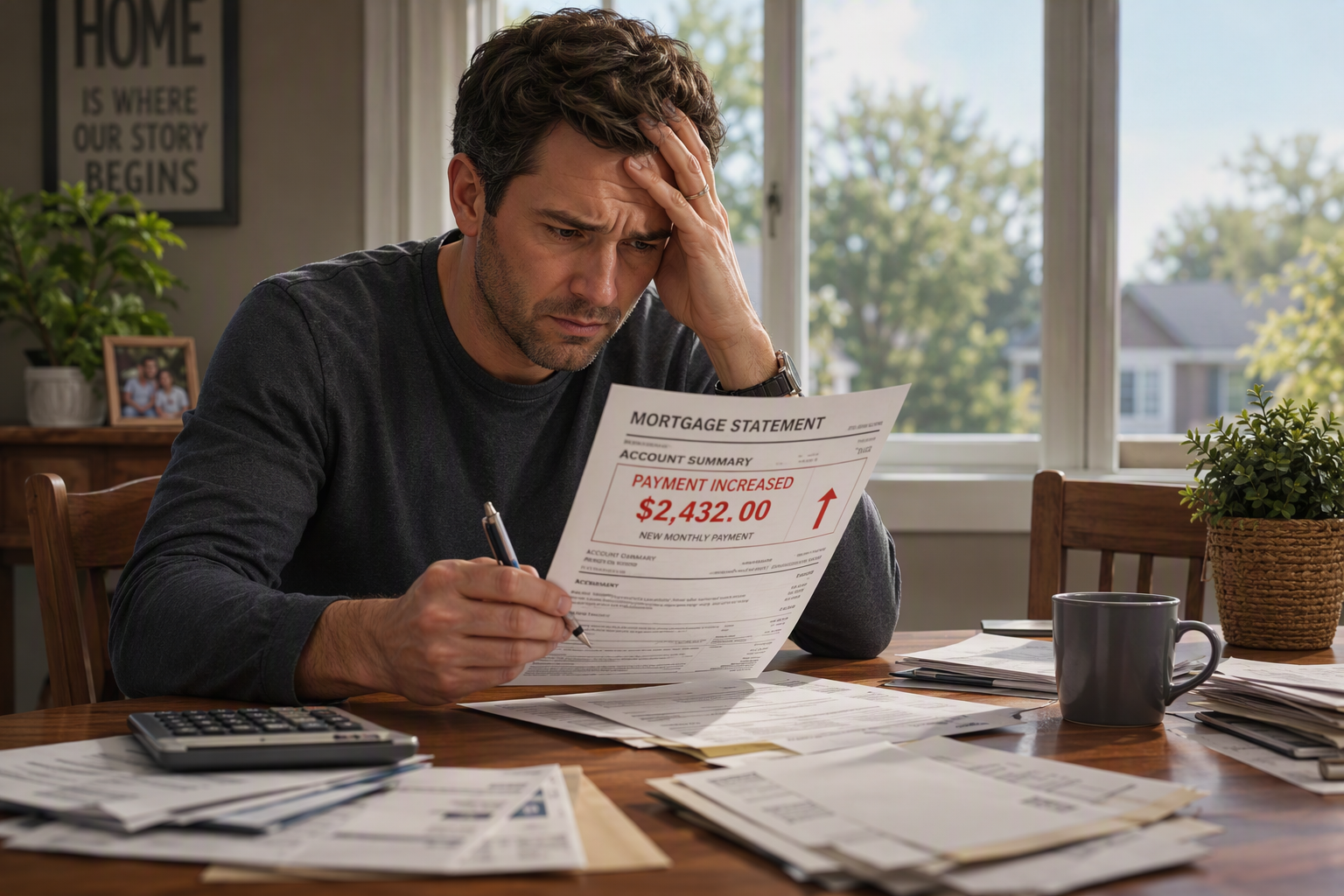
If your mortgage payment suddenly went up, your escrow account is often the reason. That can feel frustrating, especially if your loan amount and interest rate did not change. In many cases, the increase comes from higher insurance premiums or taxes that your lender pays on your behalf. The good news is that this type of change is common. Once you understand what moved inside your escrow account, you can review the numbers and decide what to do next.
Understanding Your Escrow Account and Mortgage Payment Changes
Your escrow account is the part of your mortgage escrow account that holds money for taxes and insurance. So if those bills rise, your escrow payment rises too. That is one of the main reasons a monthly mortgage payment changes even when your loan terms stay the same.
In most cases, mortgage payments tied to escrow are reviewed once a year. That annual review checks if the account has enough money for the upcoming year and explains why the amount changed. The next sections break down how this works.
What Is an Escrow Account?
An escrow account is a separate account used to hold money for expenses tied to your home loan. Your mortgage escrow account is usually set up so your lender can collect and pay property-related bills, such as taxes and insurance, when they come due. That keeps those large costs from hitting you all at once.
During the homebuying process, you may also hear the word escrow used for earnest money or funds handled by a title company before closing. After closing, though, the ongoing escrow account usually refers to the account connected to your mortgage payments.
Why did my mortgage payment increase because of escrow? Usually, the escrow balance was no longer enough to cover updated taxes or insurance. When expected costs go up, your lender raises the monthly collection so the account can meet future bills.
How Escrow Works With Your Mortgage
Each month, part of your mortgage payment goes to the loan itself, and part of your mortgage payment goes into your escrow account. This monthly escrow payment helps build funds for property tax, homeowners insurance, flood insurance, or mortgage insurance, depending on your loan and property.
When those bills arrive, your lender pays them from the escrow account or may disburse funds to you for payment. This setup helps you avoid saving for large annual bills in a separate savings account and keeps track of due dates more easily.
How often do escrow payments change and why? In general, lenders perform an escrow analysis at least once a year. That review checks whether the account has enough funds, including a small cushion for unexpected increases. If expected costs changed, your monthly escrow payment changes too.
Components Included in Escrow Payments (Taxes, Insurance, etc.)
Escrow funds usually cover the bills your lender expects to pay during the year. The biggest items are often property tax and insurance premiums. If any of these increase, your escrow amount can rise with them.
Common items included are:
Property tax and regular tax bills from local governments
Homeowners insurance and related insurance premiums
Flood insurance, if your property requires it
Mortgage insurance on certain loans
What are the main reasons my escrow payment went up? In simple terms, one or more of these bills became more expensive. A home may also be newly placed in a flood zone, creating a new flood insurance requirement. In some cases, extra or corrected tax bills paid from escrow can also reduce available funds and trigger a higher payment.
Reasons for Escrow-Related Mortgage Payment Increases
An escrow payment usually rises because the bills inside the account changed. The most common reasons are higher property tax, larger insurance premiums, or a new insurance requirement. These updates increase your escrow costs for the next year.
There is another trigger to watch for: an escrow shortage. If your account did not collect enough for past or upcoming bills, your lender adjusts the payment to cover that gap too. The sections below explain the usual causes in more detail.
Property Tax Adjustments
Property tax is one of the biggest reasons an escrow payment changes. Local governments regularly review property values and set tax rates. If your home’s value increases or local tax rates rise, your tax bills usually go up as well.
A higher property tax assessment can push your lender to collect more each month. That is often the answer to, “Why did my mortgage payment increase because of escrow?” Even if your loan payment stayed steady, the tax portion can change.
There is also a timing issue. Some tax bills arrive outside the usual billing cycle, such as additional, corrected, or supplemental tax bills. If your lender pays those from escrow, your account can fall short. That can increase the monthly escrow amount for the upcoming year while the lender rebuilds enough funds.
Changes in Homeowners Insurance Premiums
Homeowners insurance is another common reason for a higher escrow amount. Insurance companies may raise insurance premiums because of inflation, storm risk, or broader market changes. When your annual policy costs more, your lender has to collect more through escrow.
That means your insurance payments can affect your mortgage bill even when nothing changed with your loan itself. Higher insurance rates lead to larger insurance bills, and those costs get divided across future monthly payments.
What are the main reasons my escrow payment went up? Sometimes the answer is simply that your homeowners insurance renewal increased. In other situations, flood coverage becomes required after a property is reclassified into a Special Flood Hazard Area by FEMA. If that happens, your escrow amount rises to include the new premium as well.
Escrow Shortages and Surpluses
An escrow shortage happens when the escrow balance is too low to cover expected bills for the coming year. This usually means costs rose more than expected or an extra bill was paid from the account. When that happens, your lender increases the payment to cover both current bills and the shortage amount.
An escrow surplus is the opposite. It means the account collected more than needed. That can happen when taxes or insurance drop, or when estimates were too high. In that case, you may receive an escrow refund or see future payments reduced.
Analyzing Your Escrow Statement
Your escrow statement explains why the payment changed. The annual escrow analysis shows how much your mortgage lender expects to collect, what bills were paid, and whether the account balance is enough for the next cycle.
If you think the numbers look off, start there. Review the escrow funds listed, compare them with your tax and insurance records, and look for anything unexpected. The following sections cover what to check first and how to spot possible errors.
Reviewing Annual Escrow Analysis
Your annual escrow analysis is the best place to begin if your payment changed. It shows what was paid from the escrow account, what your lender expects to pay next, and whether there are enough funds to cover those future bills. This is the document that explains the new monthly amount.
As you review it, compare this year’s estimates with last year’s actual costs. Check whether property taxes increased, whether insurance got more expensive, and whether the lender included a cushion for unexpected changes. These details often explain why mortgage payments move up or down.
What steps should you take if you believe your escrow payment is incorrect? Read the annual escrow analysis line by line, then match the listed figures against your tax statements and insurance documents. If the numbers do not match, contact your servicer and ask for clarification before the next due date.
Identifying Errors or Unexpected Charges
Sometimes the increase is valid. Other times, the escrow analysis may include figures you did not expect. Your goal is to check whether the mortgage servicer used the correct tax bills, insurance costs, and payment history when calculating the new escrow payment.
Pay close attention to:
Tax bills that were corrected, supplemental, or paid outside the normal cycle
Insurance costs that rose because of a renewal or new required coverage
Amounts that look duplicated or do not match your records
If you believe your escrow payment is incorrect, gather your paperwork first. Pull your insurance declarations page, tax notices, and recent account statements. Then contact the mortgage servicer and ask them to explain each charge. A clear review can confirm the increase or uncover an error worth challenging.
Homeowner Options When Escrow Causes Payment Increases
If escrow causes your monthly payment to jump, you still have options. Many homeowners can pay an escrow shortage all at once or spread it over future mortgage payments. The right choice depends on your budget and how large the increase is.
You can also look for ways to reduce the costs driving the change. That may mean reviewing taxes, checking exemptions, or comparing insurance prices. If the numbers seem wrong, contact your mortgage servicer quickly. The next two sections show practical steps.
Disputing Escrow Errors and Challenging Increases
Yes, you can challenge an increase if you believe the escrow analysis is wrong. Start by reviewing the figures carefully. If the shortage seems tied to an incorrect tax bill, an insurance mismatch, or another account error, you have a reason to dispute it with the mortgage servicer or loan servicer.
When you reach out, be ready to:
Point to the exact line item in the escrow analysis you question
Provide copies of tax or insurance records that support your dispute
Ask how the escrow shortage was calculated and what can be corrected
Can you challenge an escrow shortage that raised your mortgage payment? Yes, if the increase appears inaccurate. What matters is having clear records. Contact the mortgage servicer as soon as possible, explain the issue plainly, and request a formal review before accepting the higher amount.
Strategies to Lower Escrow Payments
You may not control every escrow requirement, but you can often reduce the bills inside the account. If your payment keeps rising, focus on the biggest drivers first: property tax and insurance premiums. Even small savings can lower the total collected each month.
Useful steps include:
Appeal a property tax assessment if your home’s value seems too high
Ask the local tax assessor about exemptions for Veterans, Active Duty Servicemembers, seniors, or people with disabilities
Shop for better insurance costs by comparing quotes from multiple carriers
Ask about bundling discounts that may lower insurance premiums
Another option is how you handle a shortage. If you can pay it as a lump sum, your future monthly amount may stay lower than if the shortage is spread across the year. If that is not realistic, talk with your servicer about available payment plans and escrow fees.
Conclusion
Navigating an increase in your mortgage payment due to escrow can be daunting, but understanding your options is crucial for maintaining financial stability. By familiarizing yourself with the components of your escrow account and analyzing your escrow statement, you can identify potential errors and explore strategies to mitigate increases. Remember, you have the power to challenge discrepancies and work towards lowering your escrow payments. Being proactive in managing your mortgage can lead to more predictable monthly expenses and peace of mind. If you find yourself feeling overwhelmed, don’t hesitate to reach out for support. Your financial well-being is worth the effort!
Frequently Asked Questions
Can I challenge an escrow shortage that raised my mortgage payment?
Yes. If the escrow shortage looks incorrect, review your escrow account statement and compare it with your tax and insurance records. Then contact your loan servicer to dispute the figures. If the mortgage payment increase came from an error, the servicer can review and correct the calculation.
How do I deal with an unexpected escrow increase in my mortgage bill?
Start with your escrow analysis. Check whether higher insurance premiums or tax rates caused the escrow payment increase. If the numbers seem right, ask your mortgage servicer about paying any shortage in full or spreading it out. If something looks wrong, request a detailed review right away.