Key Highlights
In Pennsylvania real estate, the deed and mortgage serve different jobs in a home sale.
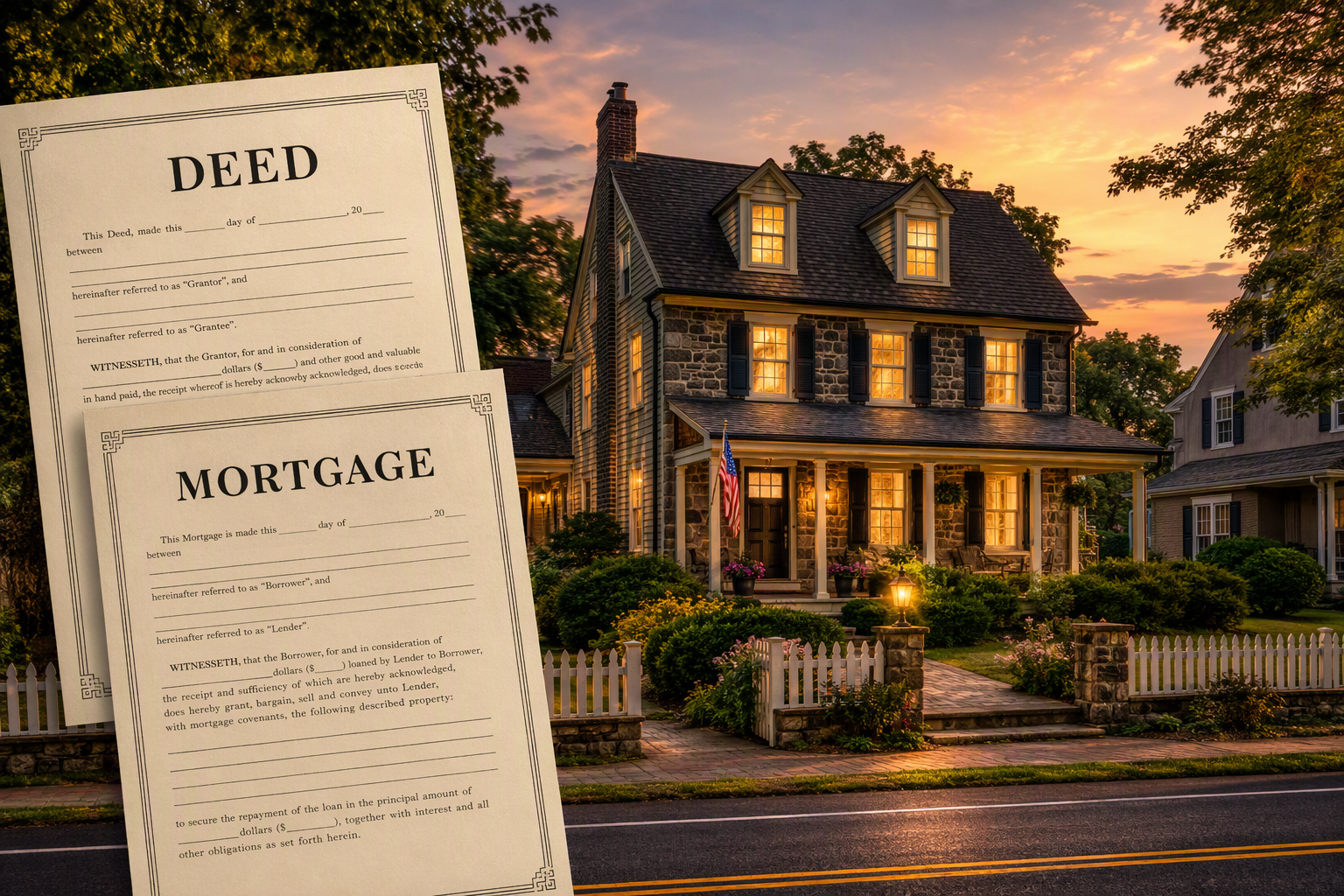
A deed shows ownership interest, while a mortgage shows debt tied to the property.
Under Pennsylvania law, a person on the deed may have selling rights even if not on the mortgage.
A title company checks records, liens, and deed and mortgage details before closing.
Legal advice helps you avoid transfer problems, disputes, and payoff issues.
Clear records make the home sale process faster and less stressful.
Introduction
In Pennsylvania real estate, many sellers are surprised to learn that property ownership and loan responsibility are not always the same thing. The deed and mortgage can list different names, and that can raise real questions before a sale. Can you still sell? Who must sign? What does the lender require? The short answer is that a sale may still be possible, but the details matter. Before moving forward, getting legal advice and reviewing the documents carefully can save you time and trouble.
Key Concepts of Home Ownership in Pennsylvania
In Pennsylvania, real property ownership starts with the recorded documents tied to the home. The most important one is the deed, because it shows property title and names the people with ownership rights. It also contains the legal description that identifies the property.
That matters in any home sale. Pennsylvania law looks closely at who owns the property, not just who pays the loan. If deed names and loan names differ, you need to understand each person’s role before listing the house. The next sections break down those core ideas clearly.
What Is a Property Deed in Pennsylvania?
A property deed in Pennsylvania is the legal instrument that transfers ownership from one party to another. It is not just a form with names on it. It is the record that shows who the current owner is and who holds ownership rights in the home.
The deed also includes the legal description of the property. That description separates the parcel from every other parcel and helps the county keep accurate land records. When a sale closes, the signed deed is recorded so the chain of title stays clear.
If the deed and mortgage are in different names, legal issues can come up because ownership and debt are split. The deed controls who can convey the property, while the mortgage creates a lien that must be paid off at closing. That mismatch can slow the sale and lead to questions about signatures, payoff, and title.
What Is a Mortgage and How Does It Differ from a Deed?
A mortgage is not the same as ownership. It is the debt agreement connected to a mortgage loan, and it gives the mortgage lender a security interest in the property until the loan is paid. The mortgage company cares about repayment, not title rights.
Like a deed, a mortgage may include the legal description of the property. Still, its purpose is different. The deed shows who owns the house. The mortgage shows who promised to repay the lender and gives the lender the right to enforce the lien if the loan goes unpaid.
So can a home in Pennsylvania be sold if the mortgage and deed have different names? Yes, in many cases it can. The key is that the deed holder usually signs to transfer title, while the mortgage must be satisfied from sale proceeds. Legal advice is helpful before you move ahead.
Why Deed and Mortgage Names Might Differ
This situation is more common than many people think. In a Pennsylvania real estate transaction, the deed language and the loan paperwork may change at different times. That can leave mortgage holders and property owners in different positions on paper.
Here are a few reasons names may not match:
One person was added through deed transfers after the loan was already in place.
A sole owner kept the mortgage only in one name, but later shared ownership with family members.
Estate administration or family transfers changed title after a death or inheritance event.
At the center of it, the issue is timing. A lender approves borrowers based on credit and income, while title can later change through a new deed or other recorded document. That is why it is smart to review both records before starting any sale.
Legal Rights of Deed Holders vs. Mortgage Borrowers
Deed holders and mortgage holders do not always have the same rights. In real property matters, ownership rights usually come from the deed, while mortgage holders owe the loan or benefit from the lien. Those are separate legal positions.
That difference can create legal complications when you want to sell. A person may have the right to transfer title but still need the mortgage paid off through closing. Another person may be tied to the debt yet have no direct say over ownership. The next two sections explain how that works in practice.
Who Has Authority to Sell When Only on the Deed
If your name is only on the deed, you may still have authority to sell because the deed is the legal instrument that shows ownership of the real property. In simple terms, the right to transfer title usually belongs to the person listed as the owner.
That does not mean the mortgage can be ignored. If there is still a loan against the property, the lien must be cleared during the transaction. Sale proceeds are often used to pay the remaining balance so the buyer receives clean title.
For that reason, property owners who are on the deed but not the loan should get legal advice before listing. The sale may be fully workable, but you need to confirm who must sign, how the payoff will happen, and whether any extra documents are needed for closing.
Impact of Mortgage Ownership Without Deed Rights
Being on the mortgage without being on the deed usually does not give you ownership rights. You may be responsible for the debt, but that is different from having legal title. In a home sale, ownership is tied to the deed, not just the loan papers.
This creates legal complications because the mortgage still has to be paid off. The lender’s lien remains attached to the property until closing funds satisfy it. So while a borrower without deed rights may not control the sale, their loan obligation still affects the process.
These cases can become even more sensitive during estate administration or after family changes. A person may still be on the mortgage long after title has shifted. That is why sellers should review both the debt documents and the recorded ownership records early, not at the last minute.
Common Situations Where Deed and Mortgage Names Don’t Match
In Pennsylvania real estate, name mismatches often happen through ordinary life events, not mistakes alone. A marriage, inheritance, family transfer, or later title change can alter deed language without changing the mortgage. That leaves ownership interest and loan liability in different hands.
Other times, the issue appears after estate administration or when one owner keeps financing in place while another person is added to title. These facts shape who can sign, who must agree, and what the title company will need. The following examples show the most common patterns.
Adding Someone to the Deed but Not the Mortgage
Yes, someone can be added to the deed without being added to the mortgage. That often happens when a sole owner signs deed transfers to share title with a spouse or another family member. The legal description stays with the property, but the loan does not automatically change.
A few points matter here:
Adding a person to title can give them ownership rights.
It does not automatically make them responsible for the mortgage debt.
It also does not remove the original borrower’s obligation to the lender.
Can that new owner sell the property? They may have an ownership stake, but a sale still depends on the exact title structure and whether all owners must sign. Legal advice is important because the added person may have some authority, yet the outstanding lien still has to be handled through closing.
Owning a Property with Multiple Parties
When multiple parties own the same real property, the sale usually involves all property owners listed on the deed. Even if only one person is on the mortgage, ownership rights are shared according to the recorded title. That is why deed review comes first.
In this setup:
One borrower may owe the loan, but both owners may need to approve the sale.
A real estate agent can market the home, but cannot fix a title dispute.
The mortgage payoff still comes from the closing funds.
So if two people own a Pennsylvania home and only one is on the mortgage, either person usually cannot act alone if the deed requires joint action. The exact answer depends on how title was taken, but agreement among owners is often necessary before the property can be conveyed.
Selling a Home with Differing Deed and Mortgage Names in Pennsylvania
A home sale can still move forward when the deed and mortgage list different names, but the sale process needs extra attention. The first issue is property title. The second is the lender’s lien. Both must be addressed before closing can happen smoothly.
That is why early legal advice matters. You want to know who owns the property, who must sign, and how the mortgage will be paid. Once those points are clear, the transaction becomes much easier to manage. The next sections cover the legal rules and the practical steps.
What the Law Says About Selling in These Cases
Under Pennsylvania law, the deed language is central because it identifies who has title to the property. The mortgage lender, though, still has a lien that must be released before the buyer gets clear ownership. That is where most problems appear in these cases.
Federal law does not change the basic split between title and debt described in the compiled information. The practical issue is simple: the owner transfers the property, but the loan must be paid from closing funds. If there is a dispute over ownership, the matter can become more serious and may even reach the Court of Common Pleas.
Steps Required to Sell with Different Names on Deed and Mortgage
Before listing, gather the deed, mortgage statement, and any later transfer papers. These essential steps help you confirm who owns the property and who owes the loan. A title company and a real estate agent can help spot issues early, but legal advice is often the safest first move.
Focus on these steps:
Review the recorded title and check whether a corrective deed is needed.
Ask for a mortgage payoff so you know the remaining balance.
Confirm which parties must sign closing documents.
Once you have that information, the sale becomes easier to plan. If the records are clean, the title company can prepare for closing. If not, fixing the paperwork before the house goes under contract can prevent delays, buyer concerns, and last-minute surprises at settlement.
Challenges and Risks of Selling Under These Circumstances
Selling under these facts can work, but there are real legal complications. A home sale may slow down when title records are unclear, owners disagree, or the mortgage lender needs extra payoff coordination. Those are common potential challenges, not rare exceptions.
Open communication helps a lot. When sellers, lenders, and closing professionals understand the documents early, problems are easier to solve. The biggest trouble usually comes from waiting too long to review the deed, mortgage loan details, and title history. The next sections cover the risks that appear most often.
Title and Closing Issues
One of the biggest risks is a problem discovered during the title search. A title company reviews the public record to confirm ownership, liens, and past transfers. If the names do not line up clearly, the buyer may face a title defect that must be fixed before the closing process can continue.
That does not always mean lenders require the deed and mortgage names to match exactly. What matters most is that title is clear and the mortgage can be paid off. Still, mismatched records can trigger extra review and more document requests before settlement.
The county recorder of deeds file is often the first place where these issues appear. A missing transfer, incorrect deed language, or an unrecorded change can slow everything down. Catching that early gives you a better chance of solving it before a buyer is waiting at the table.
Lender Approval and Release of Mortgage
Even when ownership is clear, the mortgage lender still has to be paid. In a home sale, the closing agent usually requests a payoff statement showing the remaining mortgage balance. Once that amount is paid from sale proceeds, the lender can issue the release of mortgage.
To stay ahead of trouble:
Request the payoff amount early and confirm it stays current through closing.
Ask whether the lender needs any extra forms because of the name mismatch.
Make sure the closing team knows exactly who is on title and who is on the loan.
Lender approval in this context is less about allowing the sale and more about clearing the lien properly. If the payoff is delayed or the paperwork is incomplete, the release can be held up. That can affect timing, recording, and the buyer’s ability to receive clean title.
Practical Steps to Take Before Selling
Before you list the property, slow down and check the documents. Careful planning makes a big difference when deed and mortgage names are not the same. What looks small at first can become a serious closing issue later.
This is where expert guidance helps. A real estate agent can explain market steps, while legal advice is useful for ownership questions, title corrections, or estate administration concerns. If you prepare early, the sale is usually much smoother. The next two sections give you a practical checklist.
Reviewing the Deed and Mortgage Documents
Start by reviewing documents side by side. Look at the property deed, the mortgage statement, and any later transfer paperwork. You want to confirm the names, the deed language, and the legal description all match the property you plan to sell.
Pay close attention to:
Whether the current owners on the deed are the same people you expect.
Whether the mortgage company records show an unpaid loan or other issue.
Whether any prior deed change seems missing, incomplete, or inaccurate.
This early review can reveal problems before they become expensive. If the deed appears wrong, if the wrong person was added, or if an old transfer was never recorded, you may need correction before closing. Finding that out now is far better than learning it during the buyer’s title review.
Working with Real Estate and Legal Experts
You do not have to solve this alone. A real estate agent can help with pricing and marketing, but title and ownership questions usually need legal advice and a strong title company. That team approach gives you expert guidance before the house reaches closing.
Helpful professionals can assist with:
checking title records and payoff details
identifying whether a corrective deed or other filing is needed
helping owners reach an amicable resolution if there is disagreement
This kind of support matters when family members share title, when records are unclear, or when old transfers were handled casually. The earlier you bring in the right people, the more likely you are to avoid delays, protect the transaction, and keep the buyer confident.
Conclusion
In conclusion, navigating the complexities of selling a home in Pennsylvania when the deed and mortgage differ can be challenging but certainly feasible. Understanding the relationship between these two documents and their implications is crucial for a smooth transaction. Whether you find yourself in a situation where names don’t match due to various reasons or you’re preparing to sell, approaching the process with the right knowledge and support can alleviate potential challenges. Working closely with real estate and legal experts will help ensure that all necessary steps are taken. If you're ready to take the next step in your home-selling journey, don't hesitate to reach out for a consultation!
Frequently Asked Questions
Can someone sell a Pennsylvania house if only on the deed?
In many cases, yes. Under Pennsylvania law, the property deed usually controls legal rights and ownership interest. If your name is on title, you may have authority to sell. Still, a title company will need to confirm clear ownership and make sure any mortgage lien is paid at closing.
Does being on the mortgage but not the deed affect selling rights?
Yes. Being on the mortgage ties you to the debt, but it does not automatically give you property ownership. The deed is the legal instrument that shows title. In a home sale, the mortgage company must be paid, but selling rights usually follow the deed. Legal advice is smart here.
Is it possible or recommended to remove someone from the deed or mortgage before sale?
It may be possible, but it depends on the facts. A corrective deed might fix title issues, while removing a person from a loan usually requires lender action because the mortgage holder controls that debt. Get legal advice first, especially if transfer tax implications are a concern. Lebovitz & Lebovitz may handle related matters.