Key Highlights
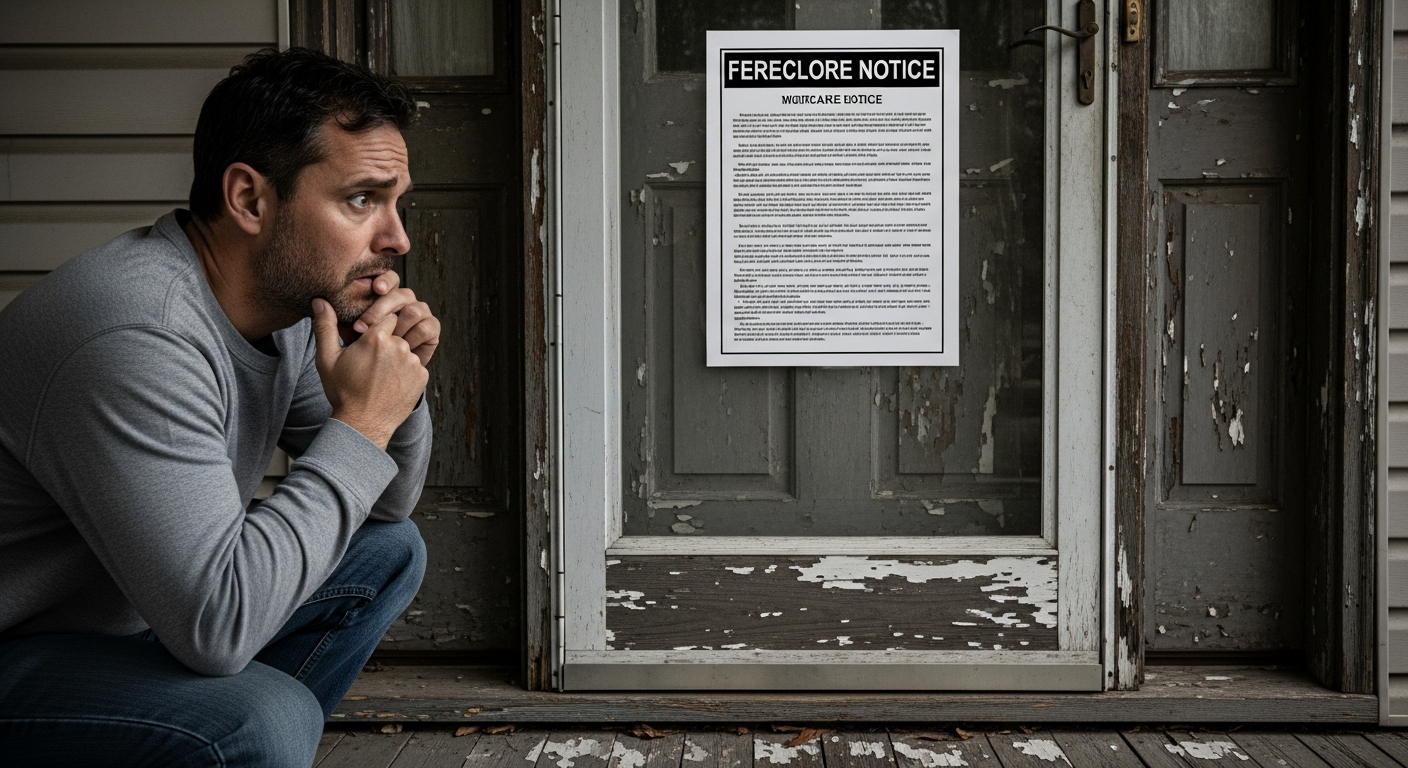
Facing foreclosure can be stressful, but you have options beyond letting the bank take your home.
Transferring property ownership through a deed in lieu of foreclosure or a short sale can help you avoid the formal foreclosure process.
These options allow you to voluntarily give up ownership of the property, often with less damage to your credit than a full foreclosure.
It's crucial to understand the legal requirements and get your lender's approval for any ownership transfer.
Consulting a real estate attorney is vital to navigate the complexities and choose the best course of action.
Introduction
Are you worried about falling behind on your mortgage payments and facing the threat of foreclosure? The thought of losing your home is incredibly stressful, but it's important to know that you're not out of options. In Pennsylvania, there are ways to prevent a full foreclosure, and one potential path involves transferring the ownership of the property. This guide will walk you through how transferring ownership can be a solution and help you understand the foreclosure process.
Understanding Foreclosure and Property Ownership in Pennsylvania
Before exploring your options, it's helpful to understand what foreclosure means in Pennsylvania. Foreclosure is the legal process a lender uses to take back a property when a homeowner fails to make their mortgage payments. It doesn't happen overnight and involves specific steps and timelines defined by state foreclosure laws.
For Pennsylvania homeowners, understanding the concept of property ownership is equally important. It's more than just living in a house; it involves legal rights and responsibilities, including the mortgage debt tied to it. When you transfer ownership, you're transferring these rights, but the debt doesn't automatically disappear. Let's look closer at what starts the foreclosure process and what property ownership legally entails.
What Triggers Foreclosure in PA
Foreclosure is typically triggered by missed payments. While a lender won't start the foreclosure process after just one late payment, the situation becomes serious if your mortgage is 120 days or more past due. At this point, your lender can legally begin foreclosure proceedings.
You will receive notices about your missed mortgage payments and the lender's intent to take legal action. Pennsylvania law requires lenders to provide these notifications to ensure you have time to address the problem. This period is a critical window to explore your options and prevent the loss of your home.
The risks of transferring ownership before foreclosure without proper guidance are significant. It's not as simple as signing the deed over to someone else. The mortgage debt remains your responsibility, and an improper transfer can lead to serious legal and financial consequences.
The Legal Concept of Property Ownership
Property ownership in real estate is a legal concept that defines your rights and obligations to a property. When you buy a home with a mortgage, you have ownership, but the mortgage lender holds a lien against the property. This means they have a legal claim to it until the loan is paid off.
This ownership is recorded in public records, making it a matter of official documentation. Any transfer of ownership must also be legally recorded to be valid. You can transfer ownership of your home in Pennsylvania to avoid foreclosure, but it must be done correctly and typically with the lender's cooperation.
Simply handing the keys to someone else doesn't erase your responsibility. The mortgage lender has a vested interest in the property value and who owns it. The legal process for transferring ownership is designed to protect all parties involved, including the lender.
Exploring Options to Prevent Foreclosure through Ownership Transfer
If you're facing foreclosure, transferring ownership can be a strategic way to avoid the lengthy and public foreclosure process. There are two primary methods for this: a deed in lieu of foreclosure and a short sale. Both options involve voluntarily giving up your property to resolve your mortgage debt.
Choosing between these alternatives depends on your specific circumstances, including your lender's willingness to cooperate. It's essential to evaluate each option carefully to determine the best course of action for your situation. A loan modification is another path, but let's focus on the ownership transfer methods first.
Deed in Lieu of Foreclosure Explained
A deed in lieu of foreclosure is a legal option where you voluntarily transfer the property's title and ownership to your mortgage lender. In return, the lender agrees to release you from your mortgage debt, effectively canceling it. This is often seen as a last resort to avoid a formal foreclosure.
For a lender to accept a deed in lieu, they will review your financial situation and may require you to have tried other options first, like a loan modification. Lender approval is not guaranteed, but it offers a way to avoid the public and often damaging foreclosure process.
This process is a formal legal agreement and can still impact your credit score, though often less severely than a foreclosure. It's a way to demonstrate a good faith effort to resolve the debt without forcing the lender through a costly and time-consuming legal battle.
Short Sale as an Alternative
A short sale is another alternative to foreclosure. In this scenario, the lender agrees to let you sell the property for less than the total mortgage debt owed. This is common when the property's market value has dropped significantly.
The sale of the property goes to a third-party buyer, and the proceeds are given to the lender. Approval from your mortgage lender is a mandatory step for this real estate transaction to proceed. A key part of the negotiation is to have the lender waive their right to pursue a deficiency judgment, which would hold you responsible for the remaining balance.
Like a deed in lieu, a short sale can negatively affect your credit, but it gives you more control over the sale of your home compared to a foreclosure auction. It's a complex process that requires careful negotiation and legal guidance.
Legal Considerations When Transferring Property Ownership
When considering the transfer of property to avoid foreclosure, legal implications are paramount. You can't simply sign over the deed without involving your lender. Doing so could violate your mortgage agreement and lead to serious consequences. Lender approval is a critical step in the process.
Engaging a real estate attorney is highly recommended to navigate this complex legal process. They can provide legal counsel, review all documents, and ensure the transfer of property is handled correctly. Understanding the legal requirements and potential risks is essential before you proceed.
Requirements for a Valid Ownership Transfer in PA
For an ownership transfer to be legally valid in Pennsylvania, certain steps must be followed meticulously. The process involves more than just a handshake; it requires formal documentation that is recorded in public records. This ensures that all real estate transactions are transparent and legally binding.
The mortgage lender must be involved. Any attempt to transfer property without their knowledge can trigger a "due-on-sale" clause, making the entire mortgage balance due immediately. This could accelerate, not prevent, legal proceedings.
Risks and Consequences of Transferring Ownership Before Foreclosure
While transferring ownership can be a solution, it comes with significant risks. One major concern is the possibility of a deficiency judgment. If the property is sold for less than you owe, the lender might sue you for the deficiency balance. Negotiating a waiver for this is crucial.
Your credit score will also be impacted. A deed in lieu or short sale is reported to credit bureaus and will lower your score, though the damage is typically less than a full foreclosure. This can affect your ability to secure loans in the future.
Furthermore, an improper transfer can lead to accusations of fraud, especially if it appears you're trying to hide assets from the lender. Navigating this legal process requires careful attention to detail to avoid these negative outcomes. Consulting with a professional can help you understand and mitigate these risks.
What You Need to Get Started with Ownership Transfer
If you've decided that transferring ownership is the right path, the first step is to get organized. You will need to gather essential documents and understand your financial situation thoroughly. This preparation will make your discussions with your mortgage lender and legal advisors more productive.
Proactively reaching out for help is also key. A real estate attorney or a HUD-approved housing counselor can provide invaluable guidance. They can help you understand your options, communicate with your lender, and navigate the paperwork required to address your financial hardship.
Essential Documents and Resources
To begin the process, you'll need to compile a comprehensive file of essential documents. This paperwork provides a clear picture of your financial standing and the property's details, which your lender and attorney will need to review.
Clear and consistent lender communication is vital. Keep records of all conversations, including dates, times, and the person you spoke with. Having this information organized will streamline the process, whether you pursue a short sale or a deed in lieu agreement.
Your document package should include:
Recent mortgage statements and communication from your lender.
Proof of income (pay stubs, tax returns).
A letter explaining your financial hardship.
Bank statements.
An estimated market value of your property.
Drafts of a short sale or deed in lieu agreement, if available.
Consulting a Foreclosure Attorney or Housing Counselor
You don't have to face this challenge alone. Consulting a qualified foreclosure attorney or a housing counselor can make all the difference. Many attorneys offer a free consultation to review your case and explain your options. They provide expert legal assistance tailored to your situation.
A housing counselor, often available at no cost through non-profit agencies, can also be a valuable resource. They can help you understand your budget, negotiate with your lender, and explore programs like emergency mortgage assistance. Their goal is to help you find the best course of action.
Whether you choose an attorney or a counselor, getting professional advice is the most important step you can take. They have the experience to guide you through the complexities of foreclosure prevention and help you make an informed decision for your future.
Step-by-Step Guide to Transferring Ownership to Prevent Foreclosure
Navigating a transfer of property to avoid foreclosure proceedings can feel overwhelming, but breaking it down into manageable steps can help. This guide will walk you through the process, from evaluating your situation to completing the final legal transfer.
Following these steps with the guidance of a real estate attorney will help ensure the process is handled correctly. Whether you're pursuing a short sale or a deed in lieu, a structured approach is the best way to manage the sale of the property and resolve your mortgage debt.
Step 1: Assess Your Situation and Eligibility
The first and most crucial step is to honestly assess your financial situation. Can you realistically catch up on missed mortgage payments or sustain a repayment plan? Answering this question will help determine if an ownership transfer is your best option. You can transfer ownership to avoid foreclosure, but you need to be sure it's the right move.
Review your income, expenses, and overall debt. This financial snapshot will be necessary when you speak with your lender, a housing counselor, or a real estate attorney. Understanding your eligibility for different options is key.
Based on this assessment, you can decide if pursuing a deed in lieu or a short sale aligns with your goals. If your financial hardship is temporary, a loan modification might be a better fit. If it's long-term, an ownership transfer may be the most practical solution.
Step 2: Gather Required Documents and Notify Stakeholders
Once you've decided on a course of action, it's time to gather all essential documents. This is the evidence you'll present to your mortgage lender to make your case for a short sale or deed in lieu. Being organized will show the lender you are serious and cooperative.
The most important stakeholder to notify is your lender. Open a line of communication to inform them of your intentions. This proactive step can prevent them from proceeding with legal action while you work toward a solution for your overdue payments.
Key documents to gather include:
Your hardship letter.
Proof of income and expenses.
Bank statements.
Mortgage statements.
Any offers if you are attempting a short sale.
Step 3: Complete the Legal Transfer Process
With your lender's approval, you can now complete the legal transfer of property. This is the final step in both short sale and deed in lieu real estate transactions. This process must be handled meticulously to ensure it is legally sound and properly recorded.
For a short sale, this involves closing the sale with the buyer. For a deed in lieu, it involves signing the deed over to the lender. In both cases, a new deed must be prepared and signed. This legal option finalizes the transfer and, ideally, releases you from your mortgage obligation.
Finally, the new deed must be filed with the appropriate county office to be entered into public records. This officially completes the ownership transfer, closes this chapter, and allows you to move forward financially.
Conclusion
In conclusion, transferring ownership can be a crucial step in preventing foreclosure in Pennsylvania. By understanding the various options available, such as a deed in lieu of foreclosure or a short sale, you can make informed decisions that protect your financial future. It is essential to consult legal professionals and gather the necessary documents to navigate this process successfully. Remember, timely action and proper planning can lead to a more favorable outcome, giving you the chance to regain control over your property. If you need personalized guidance and support, reach out for a consultation today. Your path to stability starts here!
Frequently Asked Questions
Can I transfer my property to a family member to stop foreclosure in Pennsylvania?
Transferring property to a family member to stop the foreclosure process is risky and generally not advisable without lender approval. The mortgage debt remains your responsibility, and the lender can still foreclose. This type of transfer can be seen as fraudulent, so always seek legal counsel first.
Will transferring ownership affect my mortgage if I’m behind on payments?
Yes, transferring ownership will absolutely affect your mortgage. You are still legally responsible for the mortgage payments until the lender provides written lender approval to release you from the debt. A deed in lieu or short sale is a legal option designed to address this, but an unapproved transfer won't stop the foreclosure process.
Is it legal to transfer my home’s deed without informing the lender in PA?
While you can technically transfer a deed, doing so without informing your mortgage lender often violates the terms of your loan. This can trigger a "due-on-sale" clause, making the entire loan balance due immediately and potentially accelerating foreclosure. It's a risky legal process that requires legal counsel.
Are there alternatives to foreclosure if I can’t pay my mortgage in Pennsylvania?
Yes, there are several alternatives to the foreclosure process in Pennsylvania. These include a loan modification to change your loan terms, a repayment plan to catch up on missed payments, a short sale, or a forbearance agreement. The state's Emergency Mortgage Assistance Program (HEMAP) may also be an option.