Key Highlights
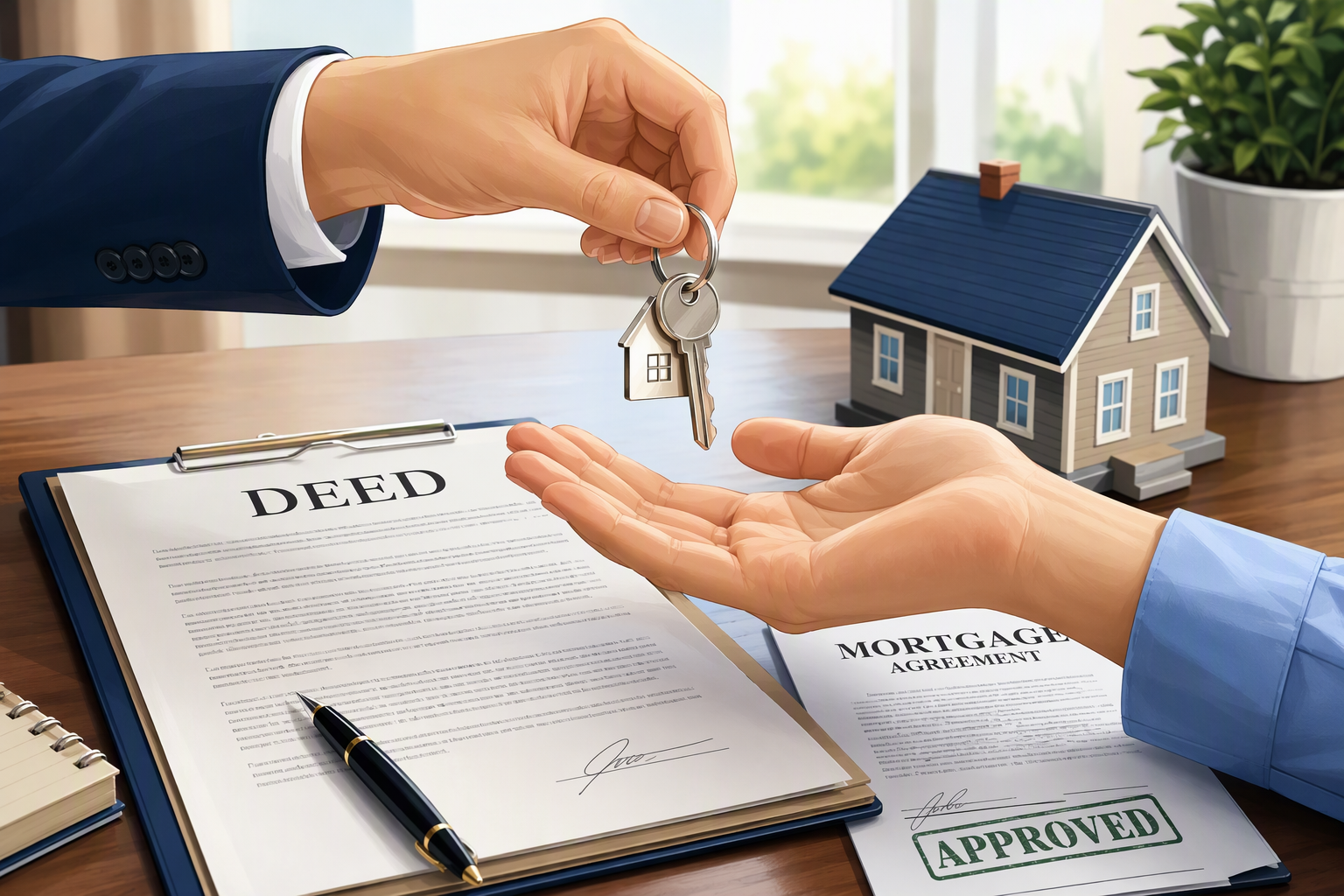
In Pennsylvania real estate, the deed usually controls ownership interest and the right to transfer the property.
A mortgage creates loan responsibility, but it does not always decide who can sign sale documents.
Mismatched names can cause title issues, delays, and added review by the title company.
You may need legal advice, proper documentation, or a corrective deed before closing.
Multiple owners often must agree, depending on the form of ownership.
Divorce, death, and inheritance can also affect transfer steps and realty transfer tax questions.
Introduction
Selling a home is stressful enough. It gets harder when the deed and mortgage do not show the same names. In Pennsylvania real estate, that mismatch can raise legal issues, slow the closing, and confuse everyone involved. Still, a sale may be possible if you understand who holds ownership rights and what paperwork is needed. Under Pennsylvania law, the answer usually starts with the deed, then moves to the mortgage, title review, and any extra legal steps tied to your situation.
Understanding Property Ownership and Naming Differences in Pennsylvania
In Pennsylvania real estate, property ownership is usually shown by the deed filed in local ownership records. That document tells you who legally holds the home and who may need to sign during the sale process.
A mortgage is different. It shows who promised to repay the loan. When names differ between those documents, questions come up fast. To see whether a sale can move forward, you need to compare the deed, loan papers, and county records carefully.
The Role of the Deed vs. the Mortgage
Start with the deed. In most cases, the deed is the legal document that shows the property owner and confirms ownership rights. That matters because deed transfers are what move title from seller to buyer at closing.
The mortgage serves a different purpose. It is one of the legal documents tied to the loan, and it tells mortgage companies who is responsible for repayment. A person can be on the mortgage without holding title, and a person can be on the deed without being personally liable for the loan.
So, can a home in Pennsylvania be sold if the deed and the mortgage list different names? Often, yes, but only if the person selling has the authority shown by the deed and the sale still satisfies the loan. The title company and closing professionals will usually review both records before the transaction moves ahead.
Common Reasons for Name Discrepancies on Home Titles
Name discrepancies happen more often than people think. In many cases, the current owner changed after a life event, but the paperwork was never fully updated. That can leave ownership records pointing in one direction and loan records in another.
Some of the most common reasons include:
divorce, where one spouse signs a deed but both names stay tied to the loan
death or inheritance, where family members gain an ownership interest through estate steps
filing mistakes, such as misspelled names, missing signatures, or the wrong person listed in county records
What are the risks of selling a Pennsylvania property when the deed is in one name but the mortgage is in another? You could face title problems, delays, lender questions, or requests for added proof before closing. The good news is that real estate solutions do exist, especially when the issue is identified early and handled with proper documentation.
Legal Significance of the Deed in a Pennsylvania Home Sale
The deed carries major weight in a Pennsylvania home sale because it shows who has legal rights in the property. When a buyer, title company, or attorney checks ownership, they usually begin with the deed recorded in county land records.
That filing, often kept by the recorder of deeds, affects much more than paperwork. It can shape estate administration, determine who must sign, and influence how easily the home reaches its full property value on the market. From here, it helps to focus on who actually holds legal ownership.
Who Holds Legal Ownership Rights?
Legal ownership usually belongs to the person or people named on the deed. If one person appears alone, that person may be the sole owner. If more than one name appears, each listed party may hold some ownership interest depending on the form of ownership.
This is why the mortgage does not always answer the key question. A person may owe the lender money yet have no power to approve the property sale. At the same time, someone on the deed may hold the legal ownership needed to sign transfer documents.
Is it legal in Pennsylvania for someone who is not on the mortgage to sell a house if they are on the deed? In many cases, yes, because the deed controls title rights. Still, the sale must address any existing loan at closing. If the deed has an error or missing signature, that can become a title defect and lead to legal claims that must be resolved first.
Can Someone Sell Without Being on the Mortgage?
Yes, that can happen when the seller is on the deed and holds the ownership rights. The mortgage mainly shows who is liable for the debt. It does not automatically control who can transfer title in the sale process.
Still, this setup can create legal issues. The lender expects the loan to be paid off from the sale proceeds, and the title company will want a clean path to closing. If the records are confusing, buyers may hesitate, and that can affect market value or cause long delays.
For that reason, many sellers speak with a real estate attorney before listing. Clear guidance helps you understand who must sign, what the payoff process looks like, and whether any deed correction is needed. That kind of preparation can bring real peace of mind before the home goes under contract.
Mortgage Considerations When Selling a Home with Different Names
Even when the deed supports the sale, the mortgage still matters. The outstanding balance usually must be paid when the property closes, so mortgage payments, payoff figures, and the exact loan due amount all need careful review.
That financial side can shape your options. If the sale price covers the debt, the path is usually smoother. If not, the gap can create added pressure. Before moving ahead, it helps to understand what responsibilities fall on the people named in the loan papers.
Responsibilities of Parties Named on the Mortgage
Being named on the mortgage usually means you are responsible for the debt, even if you are not the property owner on the deed. Mortgage companies look to the borrower for repayment, missed balances, and payoff at closing.
That often means the person on the loan may:
remain responsible for mortgage payments until the loan is paid off
have financial exposure if the home sells for less than expected
need legal advice to understand personal liability during the transaction
How does being on the mortgage but not the deed affect your rights during a home sale in Pennsylvania? It may limit your legal rights to control the transfer itself, because title and ownership usually come from the deed. You may still have a serious financial stake, though, since the loan must be satisfied. That difference between debt and ownership is where many disputes begin.
Impacts on Sale if Only One Name Appears on the Mortgage
When only one name appears on the mortgage, the sale may still work if the deed clearly shows who owns the home. The key issue is whether title is clean and whether the loan can be paid through closing.
Problems arise when the paperwork tells two different stories. Buyers may worry about a title defect, and lenders or title reviewers may pause the file until the ownership chain makes sense. That can lead to legal complications, added document requests, or a demand for a new deed before settlement.
In some real estate situations, sellers choose a faster route and look for a cash offer instead of waiting through a traditional closing. That does not erase ownership concerns, but it may reduce financing delays. Even then, the title must still be reviewed so the buyer knows exactly who can transfer the property.
Steps to Sell a Pennsylvania Home with Mismatched Names
If the names do not match, do not guess. The best move is to slow down and review the deed, mortgage, and other legal documents before listing the property. A careful title search often shows where the mismatch began.
Once the issue is clear, the selling process becomes easier to manage. You may need payoff information, corrected filings, or proof tied to divorce, death, or inheritance. The next two steps usually involve clearing title and coordinating everyone needed for proper documentation.
Title Search and Clearing Title Issues
A title search is one of the first steps when names do not line up. It reviews the public record to confirm ownership history, recorded deeds, liens, and other title issues that could delay closing. This is often handled by a title company or closing professional.
If the search finds an error, the fix depends on the problem. A simple misspelling may need a corrective filing. A more serious ownership dispute may require legal help or even a quiet title action before the home can be sold.
This process answers a common question: what steps need to be taken in Pennsylvania to sell a house if the names on the deed and mortgage do not match? Start with the title search, then fix the record before closing.
Coordinating with Lenders and Title Companies
After the title review, communication matters. The seller, lender, and title company should all be working from the same set of facts. That means confirming who owns the home, who owes the loan, and what will be needed to complete the sale of the property.
Mortgage companies may need to provide payoff information or explain loan obligations tied to the borrower. The title company will usually ask for proper documentation, such as recorded deeds, death records, divorce papers, or proof that a prior interest was released. Missing paperwork is one of the biggest reasons closings get delayed.
When the mismatch is more than a clerical error, a real estate attorney may be needed. That is especially true if the ownership chain is broken or someone disputes the transfer. Once the records, payoff, and authority to sell are aligned, the closing can usually move ahead with fewer surprises.
Adding or Removing Individuals from a Deed Before Selling
Sometimes the cleanest solution is to update the deed before the home goes on the market. That can mean adding or removing a name so the ownership record reflects the reality of the situation.
Still, deed transfers must follow legal channels. You cannot simply mark up an old document and hope it works. Because ownership changes can affect rights and future claims, many sellers seek legal advice before preparing a new deed. The next sections explain how amendments work and what can happen if you skip them.
Process for Amending a Deed in Pennsylvania
Changing the names on a deed usually requires a new recorded document, not a casual edit. In Pennsylvania, that may be done through an amended deed or, when fixing a mistake, a corrective deed. The document must match the property’s legal description and be filed correctly so county records and tax records stay consistent.
The process often includes:
reviewing the current deed and confirming the exact legal description
preparing the new document with the correct names and ownership language
recording it with the proper county office, such as in Allegheny County or another local recorder’s office
Can you add or remove someone from a Pennsylvania deed without changing the names on the mortgage? Yes, that can happen, because deed ownership and loan liability are separate. How can someone change the names listed on a deed in Pennsylvania before selling a home? Usually by preparing and recording the proper deed document before the sale begins.
Consequences of Not Updating the Deed
If the deed is not updated, the sale can run into trouble fast. Buyers want clear ownership, and title reviewers want a record that makes sense. When that does not happen, the mismatch can be treated as a title defect.
That defect may lead to legal complications, delayed closing dates, or loss of a buyer who does not want uncertainty. In harder cases, someone may threaten court action over ownership rights, inheritance, or a prior transfer that was never recorded correctly. The longer the issue sits, the harder it may become to fix.
What are the risks of selling a Pennsylvania property with mismatched names? They include delays, added cost, disputed authority to sign, and pressure on the value of the property if buyers start to view the deal as risky. Updating the record early often brings far more peace of mind.
Selling a Home When There Are Multiple Owners
When multiple owners appear on the deed, one extra question comes up right away: who must agree to the sale? The answer depends on the ownership structure listed in the deed and any later family transfers that changed those rights.
That matters because not all co-ownership works the same way. Some arrangements require everyone to sign, while others allow a person to transfer only their share. To understand your legal rights, you need to know whether the property is held in joint tenancy or another form.
Rules for Selling with Joint Tenancy or Tenancy in Common
The form of ownership controls a lot. With joint tenancy, owners usually share equal rights in the whole property, and a full sale generally requires both or all owners to agree. With tenancy in common, each person holds a separate ownership interest that may be transferred individually.
That leads to an important difference:
a joint tenancy sale of the entire home usually needs consent from all named owners
a tenant in common may be able to sell only that person’s share
disagreements may push the matter toward partition actions or settlement talks
If there are multiple owners named on a Pennsylvania property deed, can one sell the home without the other's consent? Usually not if the goal is to sell the whole house under joint tenancy. Estate administration can also change the answer after a death, so the deed and current record must be reviewed carefully.
What Happens If a Co-Owner Does Not Consent?
When a co-owner refuses to sign, the sale often stops. One person cannot usually transfer the whole property if another owner still holds rights in it. That can leave the home tied up for months while the disagreement continues.
At that point, the dispute may shift from negotiation to legal claims. Some owners try mediation or a buyout first. If that fails, court action may become necessary. Partition actions are one of the legal channels used when co-owners cannot agree on whether to sell or how to divide the value.
This is why legal advice matters early. A clear review of ownership and options can prevent wasted time and false starts with buyers. Even when the conflict is emotional, the goal is practical: protect your position and reach a result that offers some peace of mind.
Special Situations: Divorce, Death, and Inheritance Implications
Some name mismatches are tied to life changes rather than paperwork mistakes. Divorce, death, and inheritance often change ownership, but the public record may not catch up right away. When that happens, the sale can be delayed until the proper documents are gathered and recorded.
In these situations, legal channels matter a lot. A divorce settlement may shift who keeps the home, but the deed and mortgage may still need separate attention. After a death, a death certificate, deed review, and estate administration may be required before the property can be transferred or sold. Because these cases combine emotional stress with legal details, sellers often move more confidently when they understand the exact path first.
Transfers Due to Divorce in Pennsylvania
Divorce often changes who will keep or sell the house, but the court agreement is only part of the picture. The deed and loan records may still show older information, so the ownership records must be checked before a sale begins. A solely titled property may be simpler, but the details still matter.
In many cases, one spouse signs a deed to transfer any interest awarded under the divorce settlement. The legal description must be accurate, and any county filing requirements must be followed so the record matches the settlement terms.
| Divorce-related issue | Likely step before sale |
|---|---|
| One spouse awarded the house | Record deed reflecting the settlement |
| Both spouses still on mortgage | Confirm payoff and ongoing loan responsibility |
| Old name still in records | Update ownership records before listing |
| Questions about tax treatment | Review possible realty transfer tax treatment and get legal advice |
What is the process to sell a solely titled property in Pennsylvania during a divorce? Review the settlement, confirm title, update the deed if needed, and make sure the loan and closing documents match the current plan.
Selling a Home After the Death of a Co-Owner
When a co-owner dies, the next step depends on how the home was owned. If the property was held with survivorship rights, the surviving spouse or other surviving owner may receive full ownership more directly. If not, the deceased person’s ownership interest may pass through estate administration.
Before trying to sell, gather the right documents:
the recorded deed showing the form of ownership
the death certificate
any probate or estate papers identifying who now has authority to act
What should you do if a co-owner listed on the deed has passed away before selling a Pennsylvania home? First, confirm the ownership type and whether the interest passed automatically or through the estate. Then follow the correct legal channels to update title. Selling too early, without those steps, can trigger major delays or disputes at closing.
Conclusion
In conclusion, selling a home in Pennsylvania with differing names on the deed and mortgage can be a complex but manageable process. It’s essential to understand your legal rights and responsibilities as a property owner. By ensuring that all title issues are addressed and working closely with lenders and title companies, you can navigate this challenge effectively. Whether you're facing a divorce, dealing with inheritance, or simply have discrepancies in ownership, taking the right steps will facilitate a smoother sale. If you're uncertain about any part of this process or need personalized guidance, feel free to reach out for a consultation. Your peace of mind and successful sale are just a conversation away!
Frequently Asked Questions
Is it legal to sell a home if the deed and mortgage have different names in Pennsylvania?
Yes, it can be legal under Pennsylvania law if the person selling has authority shown by the deed, which controls ownership of the real property. A title search is usually needed to confirm that authority. Because mismatched names can create legal complications, getting legal advice is often the safest move.
What are the risks of selling a Pennsylvania property with mismatched names?
The main risks are delays, buyer concerns, and a possible title defect that blocks closing. In Pennsylvania real estate, mismatched ownership records can also lead to disputes over who may sign the sale papers. Careful review of legal documents and proper documentation helps reduce those problems before listing the home.