Key Highlights
Paying enough to bring your loan current can sometimes stop a sheriff sale.
In many cases, missed payments alone are not the full amount due before a foreclosure sale.
You may also owe late fees, attorney fees, and other foreclosure process costs.
Timing matters because state law, mortgage terms, and the sale date can limit reinstatement rights.
If you pay the correct total before the foreclosure sale, the sale is often canceled or postponed.
Fast action with your mortgage servicer is critical.
Introduction
If you have received a foreclosure notice, you may be asking one urgent question: can paying your past-due mortgage stop the sheriff sale? In many situations, the answer can be yes, but only if you act quickly and pay the correct amount. The foreclosure process does not always stop just because you send a payment for missed installments. A sheriff sale usually comes near the end of the process, so timing, fees, and your lender’s requirements all matter.
Understanding Sheriff Sales and Mortgage Foreclosure in the United States
A sheriff sale is one way a home is sold after foreclosure proceedings move forward. It usually happens after the lender has followed required legal steps under foreclosure laws and set a public sale date.
Your rights depend on state law, your mortgage terms, and how far the case has gone. If the full mortgage amount and fees are paid just before the sheriff sale, the lender generally should stop the sale, but only when the payment covers everything required and is received in time. The next sections explain how this works.
What Is a Sheriff Sale and When Does It Occur?
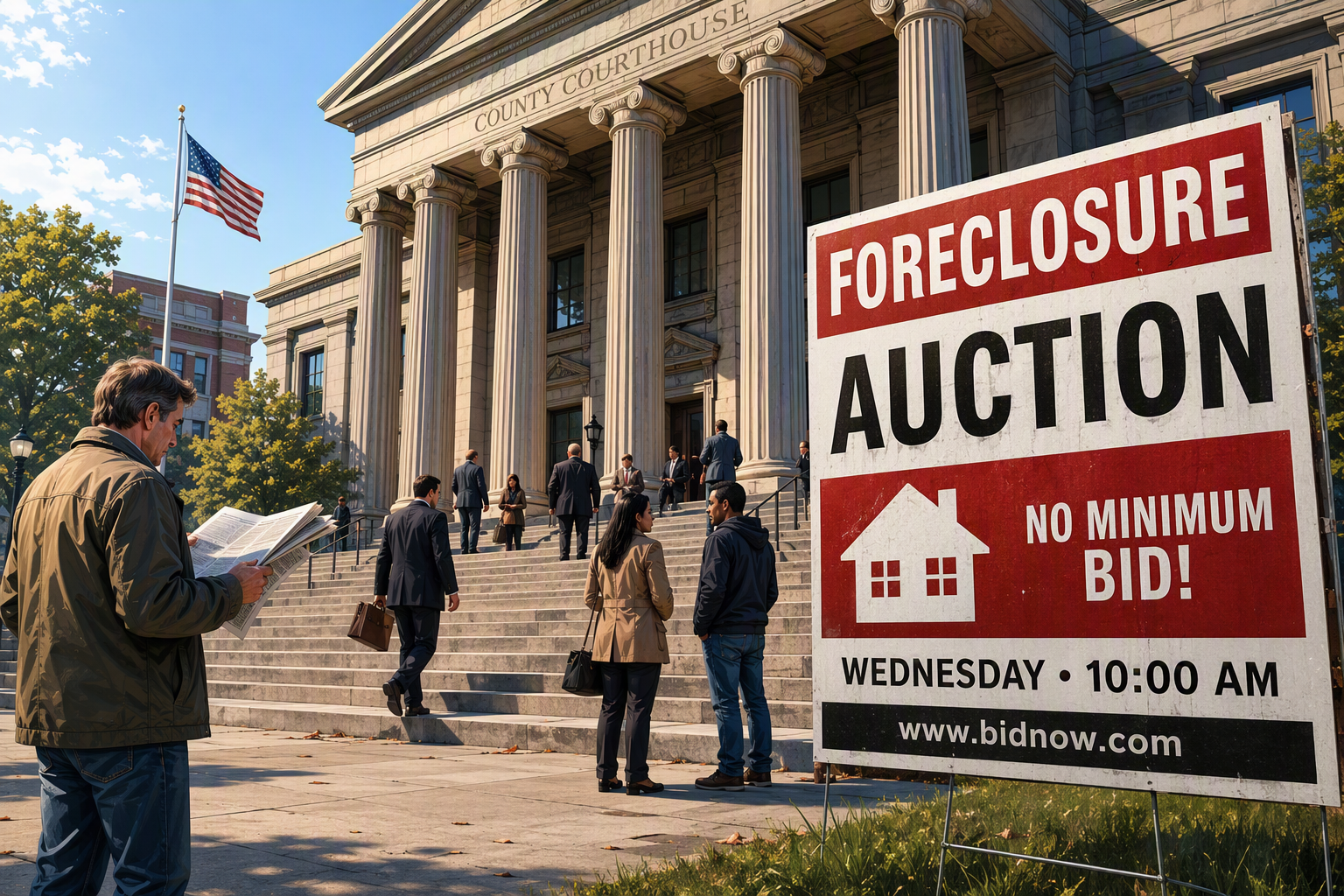
A sheriff sale is a public auction of property that takes place after serious foreclosure activity. In a judicial process, it often follows court action and ends with outside buyers bidding at the courthouse or another official location. If no one bids higher, the lender may become the new owner.
This foreclosure sale usually comes near the end of the case, not at the start. Before that point, the lender has typically sent notices, added charges, and completed the legal process needed to schedule the sale date. By then, the debt is larger than just a few skipped monthly payments.
How late can you pay to prevent a sheriff sale? That depends on state law, the mortgage or deed of trust, and whether you are reinstating or paying off the loan. Waiting until the last possible moment creates risk because logistical delays can still allow the sale to happen.
How Does Mortgage Delinquency Lead to a Sheriff Sale?
It often starts with missed payments caused by job loss, medical bills, or another financial hardship. Early on, you may still have options like a repayment plan, forbearance, or loan modification. If the default continues, the lender can move deeper into the foreclosure process.
Next, many borrowers receive a notice of default or similar warning. Some notices are sent by certified mail, and deadlines may be measured in business days. As the matter continues, legal fees and foreclosure costs are added to the account, increasing what you must pay.
Will the foreclosure process stop if you pay your past-due mortgage before the sheriff sale? Sometimes, yes, but only if you pay the full amount required for reinstatement or payoff. A partial catch-up payment may not be enough once the case has advanced.
Timeline of a Foreclosure Process Leading Up to a Sheriff Sale
Foreclosure proceedings usually build over time. A few missed payments do not lead to an immediate foreclosure sale, but they can start a chain of notices, fees, and legal action that becomes harder to stop later.
The exact timing depends on state law and whether the case is judicial or nonjudicial. Some lenders start foreclosure after several months of delinquency. Once the legal steps are complete, a sale date can be set. To see how the process unfolds, start with the key stages below.
Key Steps from Missed Payments to Auction Notice
The road from missed payments to a foreclosure sale usually follows a clear pattern. At first, the lender may contact you about the overdue balance. If the default continues, the case becomes more formal and more expensive.
Soon after that, you may receive notices by certified mail and see added charges on the account. As deadlines pass, the lender can move toward a public auction notice and a scheduled sale. That is why acting early matters.
Key steps often include:
Missed payments that put the loan into mortgage delinquency.
A notice of default or similar warning from the lender.
Added late fees, attorney fees, and foreclosure costs.
A foreclosure sale notice with the auction details.
If you want to avoid a sheriff sale, contact your mortgage servicer quickly, ask for a reinstatement or payoff quote in writing, and confirm the exact amount and deadline before sending funds.
How Quickly Can a Sheriff Sale Be Scheduled After Delinquency?
There is no single national timeline. The foreclosure process moves at different speeds depending on state law, court requirements, and the type of loan documents involved. Some lenders begin foreclosure after three to six months of delinquency, but the scheduled sale comes later, after required notices and legal steps.
Because deadlines can be measured in business days, you should never assume you have extra time. Reinstatement rights may end before the sale itself. In some places, paying off the loan can still stop the sale very late in the process, but reinstatement may cut off earlier.
The safest answer is simple: pay as early as possible, not at the last minute.
Paying Your Past-Due Mortgage: Effects on Sheriff Sale Proceedings
Paying a past-due mortgage can change the course of a foreclosure sale, but the effect depends on what you pay. In many cases, bringing the loan current through reinstatement can stop further action if the lender accepts the amount.
Still, not every payment ends the case. Loss mitigation review, reinstatement rights, and payoff rules vary. If you send less than the required total, the sheriff sale may still move forward. The next two sections explain the difference between a full cure and a last-minute payment.
Can Making a Full Payment Stop the Foreclosure Process?
In many situations, yes. If you pay enough to reinstate the loan, you may bring it loan current and stop the foreclosure process. Reinstatement usually means paying all defaulted monthly payments plus charges tied to the default.
That said, the needed figure is not always the same as the amount shown on your monthly billing statement. You may need a reinstatement figure or a payoff balance amount that includes late charges, attorney fees, and other extra costs. If the amount is short, the lender may reject it.
Some borrowers choose payoff instead of reinstatement. A payoff means paying the entire remaining balance of the loan and related costs. If you pay the full required amount before the sale and the lender receives it in time, the foreclosure usually should not continue.
What If You Pay Just Before the Scheduled Sheriff Sale?
Paying just before the sale date can work, but it is risky. The closer you get to the foreclosure sale, the greater the chance that wires, couriers, banking cutoffs, or processing mistakes create a problem. A small delay can have major consequences.
You also must pay the full required number, not just the overdue installments. By that stage, the account may include late fees, attorney fees, recording charges, and costs tied to the foreclosure itself. If even a small amount is missing, the lender may continue with the scheduled sale.
So, will paying at the last possible moment save your home? Sometimes, yes, especially with a full payoff. But it is never the safest plan. Request the exact amount early, confirm delivery instructions, and get written proof that the sale is canceled or postponed.
Additional Amounts You May Need to Pay to Cancel a Sheriff Sale
Many homeowners are surprised to learn that catching up on principal and interest is often not enough. Once foreclosure begins, the account can include foreclosure costs, legal expenses, and late fees that must be paid before the sale is stopped.
Because these charges can change quickly, do not guess. Ask for a payoff quote or reinstatement figure directly from the mortgage servicer or the lender’s attorney. The next sections break down common charges and explain how to get a reliable amount in writing.
Foreclosure Costs, Fees, and Legal Expenses Explained
Yes, you often need to pay more than the overdue mortgage installments. Reinstatement commonly includes defaulted payments plus foreclosure costs connected to the case. These extra amounts can build up as the legal process moves forward.
Typical charges may include attorney fees, legal expenses, late fees, recording fees, and the costs of property inspections. In some matters, there are also costs of foreclosure proceedings that were added after the lender began formal action. That is why the billing statement rarely shows the true amount needed to stop the sale.
If you are thinking about paying, do not rely on estimates. Ask for the exact total in writing and make sure the quote is current. A payment that falls short can be rejected, leaving the lender free to continue with the sheriff sale.
How to Obtain an Accurate Reinstatement or Payoff Quote
Start by contacting your mortgage servicer as soon as possible. Ask for a reinstatement amount if you want to catch up, or a payoff quote if you want to pay off the full loan. Make the request in writing and keep a copy for your records.
Federal law generally requires a payoff statement within seven days of your request, though loans already in foreclosure may be handled within a reasonable time instead. If you are not the borrower, you may need written authorization before the servicer will release the figures.
Take these steps:
Request the quote in writing several business days before payment.
Review all listed charges carefully before sending funds.
Send a notice of error if you believe the amount is incorrect.
If you dispute a small disputed amount, remember that the challenge itself does not automatically stop the foreclosure. Speed still matters.
What Happens After You Pay All Required Amounts?
Once you pay all required amounts, the lender should take steps to stop the sale. If you reinstated, your loan may return to loan current status, and you must continue making regular payments under the loan terms.
If you paid off the full debt, the foreclosure process should end because the obligation has been satisfied. Still, do not assume the scheduled sale disappears on its own. You need confirmation from the lender or its lawyer, especially where a redemption period or state-specific procedures may affect timing.
Lender Obligations to Cancel or Postpone the Sheriff Sale
If you pay the full required amount in time, the lender should act to cancel or postpone the sale date. That may be handled through the lender’s attorney, a foreclosure trustee, or another party managing the sale process, depending on the state and the type of foreclosure.
Still, this is not something you should leave to assumption. Ask for written confirmation that the payment was received, applied correctly, and that the scheduled sale will not go forward. If the servicer is slow to respond, the issue may turn on what counts as a reasonable time under the circumstances.
Will your lender automatically cancel the sheriff sale? Often it should, but you should verify every step. Keep proof of payment, names of the people you spoke with, and any written notice showing the sale was withdrawn or postponed.
State Variations in How Sheriff Sales Are Canceled in the U.S.
No, paying off the mortgage before foreclosure does not work the same way in every state. State law controls many important details, including reinstatement deadlines, notice periods, and whether the foreclosure is judicial or nonjudicial. Those differences can affect your rights in the final days before sale.
For example, some states allow reinstatement until a set number of business days before the sale, while other places may cut off that right earlier. A payoff can sometimes stop the sale later than reinstatement, but the procedure still depends on local foreclosure laws and timing rules.
Because the rules vary, outside help can be valuable. A housing counselor or lawyer can help you understand deadlines, required documents, and what your lender must do after payment. When time is short, state-specific guidance matters.
Considerations After Stopping the Sheriff Sale
Stopping the sale is a major relief, but it is not the end of the story. The earlier missed payments may still affect your credit report, and your loan terms still require you to stay current going forward.
You also need a realistic plan so the foreclosure process does not restart. For some borrowers, that means a repayment plan, forbearance, or another workout option. The following sections cover credit impact and practical steps that can reduce the chance of future trouble.
Impact on Your Credit Score and Future Mortgage Risk
Yes, paying late but before the sale can still affect your credit report. The missed payments that led to mortgage delinquency may remain visible even if you stop the foreclosure before the auction happens. Stopping the sale protects your home, but it does not erase the earlier default history.
That credit impact can make future borrowing harder, especially if you need a refinance, a home equity loan, or a different mortgage product later. Lenders often review both the payment history and whether the account went deep into default.
There is also future risk if your budget has not changed. Once the loan is reinstated, you must keep up with the regular loan terms and monthly payments. If the same hardship returns and no workout is in place, foreclosure activity can begin again.
Steps to Prevent Future Mortgage Delinquency
After you stop the sale, focus on staying stable. If your financial situation is still tight, talk with the servicer before another payment is missed. Early action gives you more room to solve the problem and lessens the chance of another crisis.
You may have options if the hardship came from job loss, medical bills, or a temporary drop in income. The right path depends on what your lender offers and how quickly you apply for help.
Helpful next steps include:
Ask about a repayment plan or other loss mitigation options.
Submit a loss mitigation application early if you need help.
Check whether an emergency mortgage assistance program is available.
Speak with a housing counselor about your budget and deadlines.
The main goal is simple: solve the cause of the default, not just the overdue balance.
Conclusion
In summary, addressing a past-due mortgage promptly can have significant implications for homeowners facing a sheriff sale. Understanding the intricacies of the foreclosure process and knowing the steps to take can empower you to make informed decisions. By paying your overdue mortgage and any additional fees, you may be able to halt the sheriff sale proceedings, but timing is crucial. It’s also important to consider the long-term effects on your credit score and future mortgage prospects. If you find yourself in this situation, don’t hesitate to seek professional advice. Remember, taking proactive steps now can help secure your home and pave the way for a more stable financial future. For personalized support and guidance, get in touch with us today!
Frequently Asked Questions
Does paying my overdue mortgage automatically stop the sheriff sale?
Not always. Paying an overdue mortgage stops a foreclosure sale only if you pay the full required amount and the lender processes it before the sale date. Your loan must be brought loan current or paid off in full. Unlike bankruptcy, payment alone is not an automatic stay.
Will paying just before the sheriff sale save my home from foreclosure?
It can, but only if you pay the full payoff balance amount or valid reinstatement figure before the scheduled sale. That total often includes late fees and other charges. If the lender receives everything in time and applies it properly, your home may be saved.
Can the sheriff sale proceed even after I pay all past-due amounts?
Yes, it can if the payment did not include all required charges, arrived too late, or was not processed before the sale. State law matters. Contact the mortgage servicer and lender’s attorney right away, and get written proof if the foreclosure process has been stopped.