Here are the main takeaways regarding the 2026 housing market:
Foreclosure filings in the first quarter of 2026 saw a 6% increase from the previous quarter and a significant 26% rise from the same time last year.
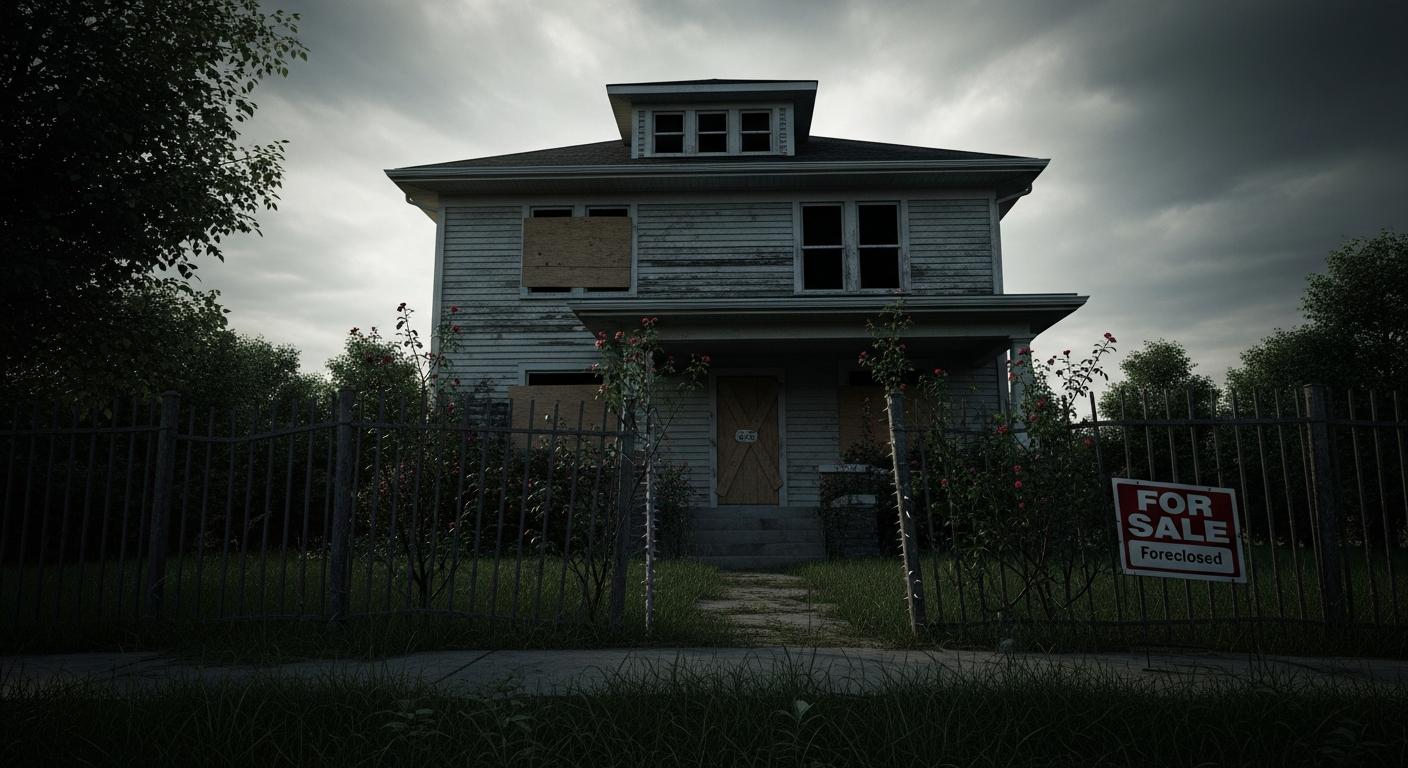
The number of properties starting the foreclosure process is up, with 82,631 foreclosure starts reported in Q1 2026. Bank repossessions have climbed sharply, with a 45% year-over-year increase. While foreclosure activity is rising, the volume is still below historical peaks. However, foreclosure rates are not increasing everywhere in the U.S. in 2026—some states and regions are experiencing sharper increases in foreclosure starts and bank repossessions than others, reflecting local economic conditions and market variations.
Bank repossessions have climbed sharply, with a 45% year-over-year increase.
While foreclosure activity is rising, the volume is still below historical peaks.
Certain states, particularly in the Sun Belt, are experiencing higher foreclosure rates.
Introduction
Navigating the real estate world can be challenging, with high home prices and fluctuating mortgage rates often topping the list of concerns, including property tax implications. For homeowners with mortgages, financial stability is key to avoiding the risk of foreclosure. Recent data from the first quarter of 2026 shows a noticeable shift in the foreclosure market. While the numbers aren't at historic highs, there's a clear upward trend in foreclosure activity, suggesting that the housing market is undergoing a period of normalization and change.
Key Foreclosure Trends Shaping 2026 in the United States
The first quarter of 2026 has shown a notable increase in foreclosure activity across the country. According to real estate intelligence from ATTOM, foreclosure starts are on the rise, indicating that more homeowners are beginning to face financial difficulties. This continued rise in foreclosure activity could signal important shifts in the housing market's dynamics.
This uptick is seen by some experts as a delayed reaction following years of forbearance programs, marking the twelfth consecutive month of annual increases. As these programs wind down, the underlying financial pressure on some homeowners is becoming more apparent. Let's look closer at the specific data and the factors driving this change.
Highlights from Early 2026 Foreclosure Data
Quarterly reports from early 2026 paint a detailed picture of the changing foreclosure landscape, including default notices. Real estate data shows that a total of 118,727 U.S. properties had a foreclosure filing in the first quarter. This represents a 6% increase from the previous quarter and a substantial 26% jump compared to the same period a year ago.
This increase is not just a statistical blip; it reflects a broader trend of mounting financial pressure. The March 2026 data further supports this, with foreclosure filings rising 18% from February. Bank repossessions also saw a significant 45% annual increase, showing that more properties, aided by advanced real estate intelligence solutions, are completing the foreclosure process.
Major Factors Influencing Foreclosure Activity This Year
Several key factors are contributing to the rise in foreclosure activity and notice of default in 2026. After years of supportive loss-mitigation policies that allowed homeowners to delay payments, the end of these programs is revealing underlying financial weaknesses for many. This shift is bringing a new wave of challenges.
Real estate intelligence suggests that the "new normal" for the market involves a condensed period of higher foreclosure volumes. Experts, including Rob Barber, believe we could see five years of typical foreclosure activity compressed into the next two years. This surge creates a challenging economic outlook for servicers and homeowners alike.
Key drivers behind this trend include:
Rising Mortgage Rates: Higher rates make it difficult for some homeowners to afford their payments.
Surging Insurance Costs: Especially in the Sun Belt, dramatic increases in homeowners' insurance have made homeownership unaffordable for many.
Reversing Home Prices: In areas that saw huge price gains during the pandemic, a reversal means some homeowners who are now struggling can't sell their property to fully pay off their mortgage.
Regional Insights: Foreclosure Hotspots Across the U.S.
While foreclosure activity is increasing nationally, the impact is not uniform across the country. The foreclosure market shows significant regional variations, with certain states and major metropolitan statistical areas emerging as hotspots. Property intelligence reveals that these concentrations are often driven by local economic factors and housing market conditions, highlighting the need to scale property intelligence effectively across different regions.
Understanding these geographic trends is crucial for a complete view of the 2026 foreclosure landscape, including states that have the greatest number of REOs. Some states are experiencing much higher foreclosure rates than the national average, while others remain relatively stable. Below, we'll examine which states are most affected and compare the patterns between urban and rural areas.
States Experiencing the Highest Foreclosure Rates in 2026
The national foreclosure rate in Q1 2026 was one for every 1,211 housing units, but some states, including Punta Gorda, are seeing much higher figures. The data clearly shows that foreclosure activity is more concentrated in certain areas rather than increasing uniformly nationwide. For instance, Indiana had the highest foreclosure rate, with one in every 739 housing units facing a filing.
Other states like South Carolina, Florida, and Delaware also reported rates significantly above the national average. When looking at the sheer number of foreclosure starts, larger states lead the way. Texas had the highest number of foreclosure starts with 10,617, followed by Florida and California. This indicates that while the rate may be higher elsewhere, the volume is largest in populous states, reflecting a notable performance in the foreclosure department.
Here are the states with the highest foreclosure rates in Q1 2026, including New Jersey:
Indiana: 1 in 739 housing units
South Carolina: 1 in 743 housing units
Florida: 1 in 750 housing units
Delaware: 1 in 757 housing units
Illinois: 1 in 833 housing units
Urban vs. Rural: Comparing Foreclosure Patterns
The foreclosure story isn't just about states; it's also about the differences between urban and rural areas. Major metros and metropolitan statistical areas with populations over 200,000 are showing distinct patterns. For example, Houston and Dallas were among the top metro areas for the largest number of foreclosure starts in the first quarter of 2026.
This suggests that urban centers, often characterized by higher population density and different economic pressures, including the District of Columbia, are significant drivers of the national foreclosure volume. However, foreclosure rates tell a slightly different story. Some smaller metro areas are experiencing the highest rates of foreclosure filings relative to their size.
Here's a comparison of urban foreclosure hotspots:
Highest Foreclosure Rates: Smaller metros like Lakeland, FL, and Columbia, SC, had the highest rates, with Trenton, NJ, experiencing the worst foreclosure rate in January 2026.
Highest Foreclosure Starts: Major urban centers like New York City, Chicago, and Houston saw the largest volume of new foreclosures.
Implication: This indicates that while financial distress is widespread, the concentration of risk varies between large and small metropolitan areas.
Market Impacts of Rising Foreclosures in 2026
The increase in foreclosure activity is having a ripple effect across the real estate market. As more foreclosed properties become available, it can influence everything from home prices to buyer sentiment. These market dynamics, along with flexible delivery options, are important to watch, as they shape the outlook for the remainder of the year. The rise in 2025 laid the groundwork for the current environment.
This shift creates both challenges and opportunities within the housing sector. For potential buyers, it could mean more inventory, but for existing homeowners and lenders, it brings a new set of pressures, especially due to broader economic pressures. Let's explore how these rising foreclosures are specifically affecting home prices and the responses from different market players.
Effects on Home Prices and Buyer Sentiment
An influx of foreclosed properties can put downward pressure on home prices in affected neighborhoods. When these homes are sold at a discount, it can lower the comparable values for other home sales in the area. This is a key aspect of the current housing market dynamics, as even a modest increase in foreclosure inventory and the same type of document can shift perceptions of value.
For buyers, the rise in foreclosure activity, including the notice of foreclosure sale, might be seen as an opportunity to find a more affordable home. This could boost buyer sentiment in some segments of the market, especially among investors or first-time buyers willing to take on a property that may need some work. However, widespread foreclosures could also make potential buyers nervous about the market's stability.
Real estate intelligence helps track these trends closely, including neighborhood insights. The relationship between foreclosure activity and home prices is complex, but the current data suggests a potential softening of prices in markets with higher concentrations of distressed properties. This creates a more balanced, albeit more cautious, housing market.
Response From Lenders and Homeowners
Lenders are now facing the operational challenge of managing a higher volume of properties entering the phases of foreclosure process. After years of low rates, servicers must now scale up their capacity for everything from borrower communications to property inspections and sales. The lender response is critical in managing this influx efficiently.
One interesting trend is the shrinking of average foreclosure timelines, particularly highlighted by the Notice of Trustee Sale. In Q1 2026, the average time was 577 days, down 14% from last year. This is a double-edged sword: faster resolutions can reduce costs, but the increased speed combined with higher volume puts immense pressure on lending institutions to avoid errors and maintain compliance.
For homeowners in West Virginia struggling with mortgage payments, this environment is stressful. The faster timelines mean there is less time to find a solution. Key responses include:
Increased Lender Outreach: Servicers are ramping up communications to work with borrowers before a foreclosure is initiated.
Focus on Property Conditions: With more bank-owned properties (REOs), there is a greater need for property preservation and management.
Streamlined Processes: Lenders are working to make the foreclosure process more efficient to handle the increased volume.
Conclusion
In conclusion, the state of foreclosures in 2026 reflects a complex interplay of economic factors and regional dynamics. The trends we've explored indicate an uptick in foreclosure rates influenced by various elements such as rising interest rates and shifts in housing demand. As certain states become hotspots for foreclosure activity, understanding these patterns, especially in relation to any previous filings, is crucial for both potential buyers and current homeowners. Staying informed about market conditions can empower you to make better decisions in a fluctuating landscape. If you want personalized insights or assistance navigating this challenging market, feel free to reach out for a consultation. Your financial well-being matters!
Frequently Asked Questions
What do housing economists say about foreclosure rates in 2026?
Many housing economists view the rising foreclosure rate in 2026 not as a crisis, but as a market normalization, particularly noting the longest average foreclosure timelines that reflect how the increased foreclosure activity is a delayed consequence of the end of pandemic-era support programs. They suggest the real estate market is moving away from the unusually low rates of recent years.
Are foreclosure rates increasing nationwide or concentrated in certain areas?
Foreclosure rates are not rising uniformly across the U.S. While there is a gradual upward trend nationally, the foreclosure activity is heavily concentrated in specific states and metropolitan statistical areas, including South Dakota. Geographic trends show hotspots in states like Indiana, South Carolina, and Florida, indicating localized economic and housing market pressures.
Where can reliable statistics on U.S. foreclosures for 2026 be found?
Reliable foreclosure statistics can be found through firms that provide real estate data and property intelligence. The good news is that companies like ATTOM release detailed quarterly reports on the foreclosure market. These analyses offer comprehensive data on filings, foreclosure starts, and bank repossessions at national, state, and metro levels.