Key Highlights
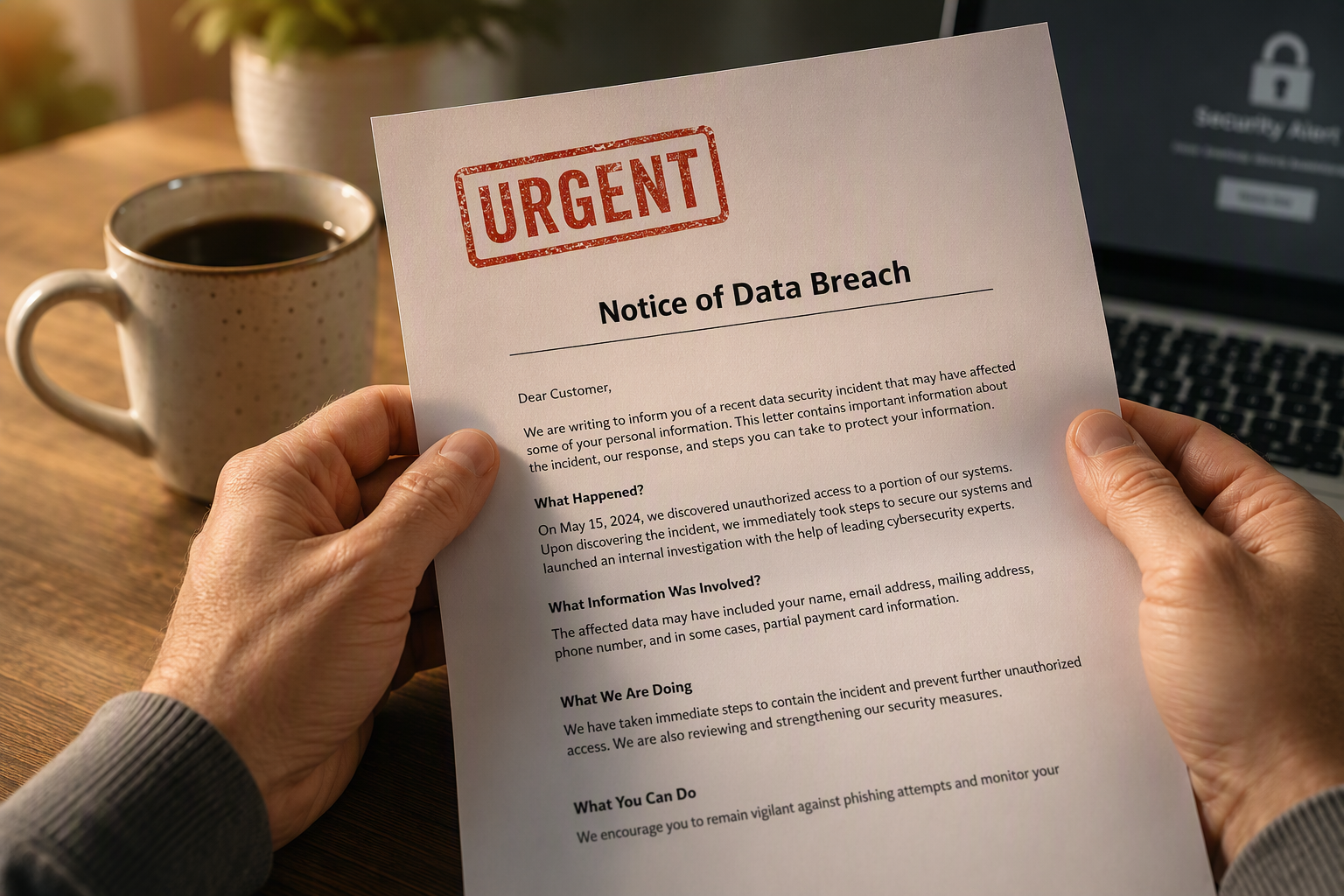
A breach letter is a written notice from your mortgage servicer saying your mortgage loan is in default.
It usually comes before foreclosure proceedings, not after a foreclosure filing has already started.
The letter explains what went wrong, what you must pay, and your cure deadline.
Acting fast can help you explore foreclosure process alternatives, including workout options.
You may want help from a foreclosure defense attorney if the numbers or timing seem wrong.
Some borrowers may also discuss options involving mortgage assistance fund program providers.
Introduction
A breach letter can feel alarming, especially if you were not expecting a written notice from your loan company in New Jersey. Still, it helps to know what it means before you panic. In simple terms, a breach letter tells you that your mortgage loan is not meeting the terms of the agreement and that you need to fix the problem by a stated date. For homeowners, understanding this notice early can make a real difference in what happens next.
Understanding a Mortgage Breach Letter
A breach letter is a written notice from your mortgage lender servicer telling you that your loan is in default under the mortgage contract. It is often called a notice of default or demand letter. In most cases, it means you missed required obligations and must correct them by a deadline.
This does not automatically mean a foreclosure filing has happened. Instead, it is usually a warning sent before foreclosure proceedings begin. Your mortgage company sends a breach letter to explain the problem, including the Fannie Mae address for instruments of record, what you must do to cure it, and what may happen if you do nothing.
Common Reasons Homeowners Receive a Breach Letter
Most homeowners receive a breach letter because the servicer believes there has been a breach of contract. The most common issue is missed mortgage payments, as noted in your monthly mortgage statement, but payment default is not the only reason a loan can be flagged.
In some cases, the problem involves required insurance coverage tied to the home and the subordinate lien mortgage loan terms. If property insurance coverage or flood insurance coverage is missing, expired, or inadequate, the servicer may treat that as a default that needs immediate attention.
Common reasons include:
Missed mortgage payments
Repeated delinquency on the loan
Lapsed insurance coverage
Missing property insurance coverage
Missing flood insurance coverage
Other failures to meet loan requirements
If the issue is not cured, the servicer may move the file further into the foreclosure process.
Essential Details Found in a Mortgage Breach Letter
A mortgage breach letter should clearly tell you what is wrong and what you need to do regarding your group home mortgage loan. This written notice is meant to give you a fair chance to fix the default before stronger action is taken under the mortgage contract.
You should expect the letter to explain the exact nature of the default, the action required to cure it, and the cure deadline, including any relevant transfers of ownership. It may also warn that an acceleration notice could follow, meaning the full mortgage loan balance may become due. Good letters also include contact information so you can respond quickly.
How a Breach Letter Impacts Your Mortgage
A breach letter does not usually change your interest rate on its own, but it does put your mortgage loan in a more serious status. It signals that the servicer believes your account is in default and expects action regarding the sale proceeds by a set date.
If you do not respond, the loan can move deeper into the foreclosure process and toward legal action. That is why your first steps matter: read the notice carefully, check the amounts claimed, note the deadline, and contact the servicer to discuss available options aligned with VA guidelines.
Consequences of Ignoring a Breach Letter
Ignoring a breach letter is risky. The letter itself does not always mean your home is definitely headed to foreclosure proceedings, but it is a serious warning that the servicer may take the next step, including discussing FHA mortgage insurance premium implications, if the default is not cured.
Based on the compiled guidance, if the borrower does not resolve the issue after the letter expires, the mortgage loan may be referred to foreclosure referral. From there, the matter can progress to a foreclosure filing and later stages of the case.
Possible consequences include:
A formal foreclosure filing after the cure period expires due to state law restrictions.
Movement toward a foreclosure auction or foreclosure sale
Negative reporting tied to delinquency that may affect your credit report
The sooner you respond, the more room you usually have to protect your home and review your options.
Timeline and Steps Following the Receipt of a Breach Letter
Timing matters here. For many conventional mortgage loans, including unscheduled mortgage loan payments, the servicer must send the breach or acceleration letter no later than the 75th day of delinquency for property that is not vacant or abandoned. The cure deadline listed in the letter is your most important date because further action may follow once that period expires.
What should you do next? Start with due diligence by reviewing your records alongside the coupon book provided by the servicer. Read every line, compare the figures to your records, and contact the servicer right away to ask about loss mitigation or another workout path if you need help catching up.
Smart steps include:
Review the letter and mark the cure deadline
Verify the claimed default and payment amount
Ask about loss mitigation, a repayment plan, or other relief, especially if considering a Fannie Mae short sale
Speak with a foreclosure defense attorney about your legal position
If you feel unsure, a free consultation may help you understand what to do next.
Conclusion
In conclusion, understanding a breach letter is crucial for homeowners to protect their interests and maintain their financial stability, particularly in relation to the transfer of ownership. By recognizing the common reasons for receiving such letters and the essential details they contain, you can take proactive steps to address any issues that arise. Ignoring a breach letter can lead to serious consequences, including foreclosure, so it’s important to act promptly. Familiarize yourself with the timeline and necessary steps to respond effectively. If you're unsure about your situation or need guidance, don't hesitate to reach out for assistance. Your home is an invaluable asset, and taking care of it starts with staying informed.
Frequently Asked Questions
Is a breach letter the same as a demand letter or FDCPA validation letter?
A breach letter and a demand letter are often used in similar ways in mortgage matters, since both can warn that you are in default under the mortgage contract. In addition to traditional methods, Fannie Mae Flex offers alternative solutions. An FDCPA validation letter is different. That letter relates to debt validation rights under federal law, not simply notice of mortgage default.
Can I challenge or dispute the contents of a mortgage breach letter?
Yes, you can dispute a breach letter if you believe the amount, dates, or default claim is wrong. Review your records and raise the issue with the mortgage servicer quickly, especially if this relates to CFPB mortgage regulations. If needed, you may also seek help from a foreclosure defense attorney or file a complaint with the Consumer Financial Protection Bureau.
Does getting a breach letter mean foreclosure is certain?
No. A breach letter is a warning, not a final outcome. It usually comes before foreclosure proceedings and gives you time to cure the default. Depending on your situation, you may still discuss loss mitigation options such as a government mortgage loan modification or repayment plan before the case moves further.