Key Highlights
A Pennsylvania homeowner can challenge incorrect real estate details in a sheriff’s sale by acting fast before the sale date.
Common issues in a sheriff sale notice include wrong address, owner information, or legal description.
You should gather records, contact the sheriff’s office, and seek legal advice right away.
In some cases, the court of common pleas may issue a court order delaying or addressing the sheriff’s sale.
A bankruptcy filing may also stop the sale process through an automatic stay.
Tax matters may involve the county sheriff or tax claim bureau.
Introduction
If your home is listed for a sheriff’s sale in Pennsylvania and the real estate details look wrong due to unpaid taxes, you may have options. That matters because the foreclosure process is serious, and a mortgage foreclosure can move quickly once a property is scheduled for sale. Wrong information in a sheriff’s sale advertisement can affect notice, timing, and your ability to respond. The key is to act early, review the listing carefully, and take steps before the sale moves forward.
Understanding Property Information in Pennsylvania Sheriff’s Sale Notices
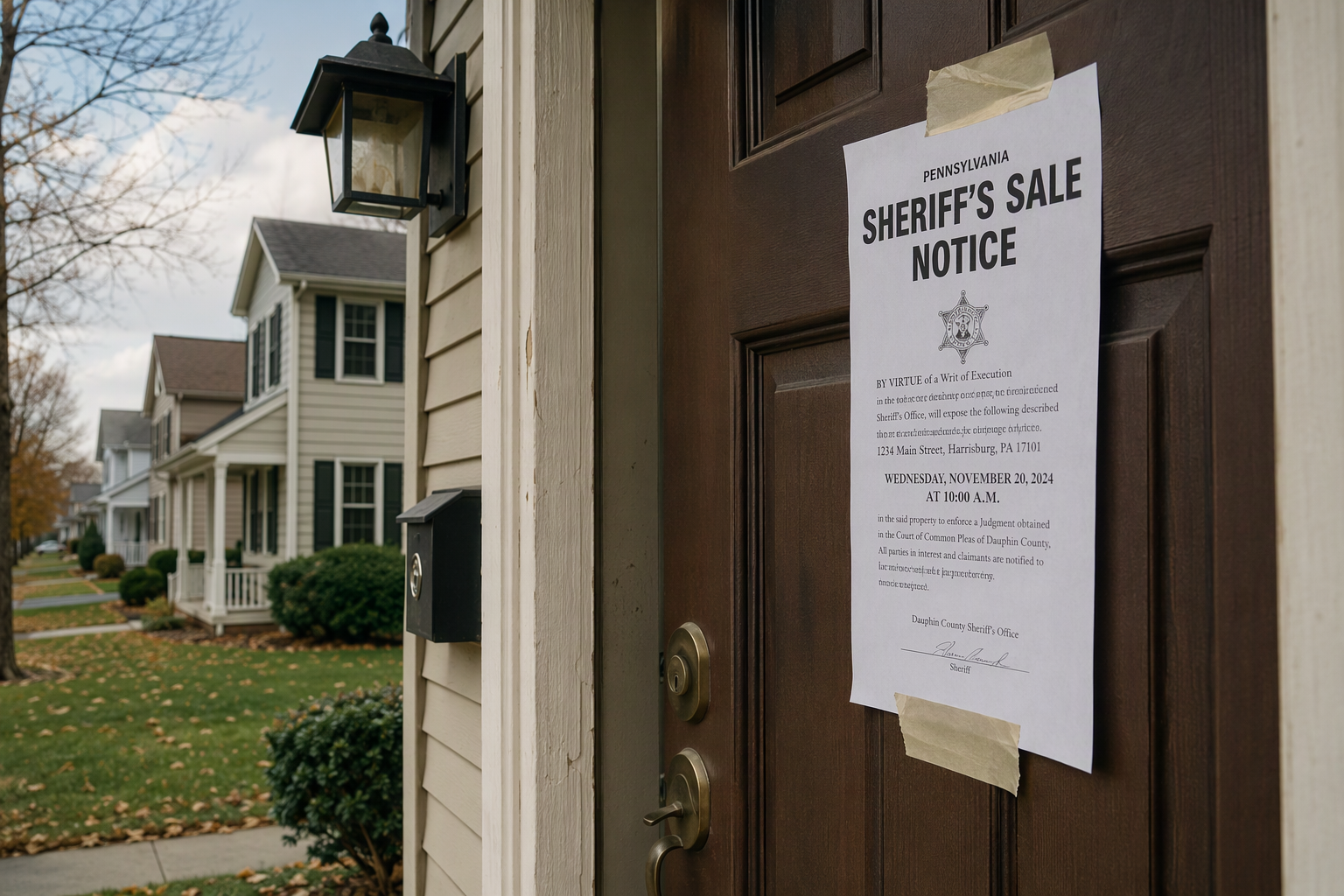
A Pennsylvania sheriff sale notice is meant to identify the real estate being offered and alert the public to the auction of such properties sale date. The county sheriff handles foreclosure sales in all counties, while some tax matters may go through a different office depending on the county.
Because a sale notice connects to court action, mistakes can become important very quickly. If you spot an issue, you should compare the notice against your records and be ready to raise the problem with the proper office or the court of common pleas in the commonwealth of Pennsylvania. The next sections explain what usually appears in these notices.
Common Types of Property Details Listed in Sale Notices
When you read a sheriff’s sale notice, focus on the details that identify the property and the reason it is being sold. In Pennsylvania, the notice usually gives basic information so buyers and owners know what real estate is involved and that it is certainly not an empty threat, indicating when the sale date is set.
You may see details such as:
The property address and other identifying real estate information
The owner’s name connected to the property
The scheduled sale date for the sheriff’s sale
Whether the matter involves mortgage company action or unpaid property tax
Information tied to the public sale process
These details are not minor. They help show whether the correct property is being advertised. If the notice mixes up the address, the owner, or the basis for the sale, that may create grounds to challenge the listing. For a homeowner, even one incorrect line can change how you prepare and respond.
Why Accurate Property Information Matters
Accurate information matters because a foreclosure notice is supposed to tell you exactly what property is at risk and when action is needed, including the availability of certain assistance programs. During a mortgage foreclosure, you need clear notice to decide whether to defend the case, seek help, or explore another option before the sheriff’s sale.
A wrong address, name, or property description can create confusion for both the homeowner and potential bidders. It can also affect whether the public understands what real estate is actually being offered on the sale date, which is critical to the Pennsylvania Department of Revenue. That kind of mistake may become important if you later ask a court to review what happened.
Pennsylvania sales move on a schedule, so errors relating to delinquent properties should never be ignored. Under limited circumstances, a sale may be challenged before the deed is transferred. That is why reviewing every line of the advertisement early can make a real difference if you need to seek relief.
Typical Errors Found in Pennsylvania Sheriff’s Sale Advertisements
Not every mistake in a sheriff sale ad will have the same impact, but some errors are more serious than others. In a real estate listing tied to mortgage foreclosure or unpaid property tax and tax liens, accuracy is a basic part of fair notice.
You should pay close attention to the property description, the owner information, and the sale date. Since the county sheriff, including Dauphin County's sheriff, manages foreclosure sales, problems in the advertisement can affect how the sale moves forward. Below are two common groups of errors homeowners should review carefully.
Mistakes with Property Descriptions and Addresses
One common problem in a sheriff sale notice in Bucks County is a mistake in the property description or street address. If the sheriff’s sale advertisement points to the wrong parcel, the wrong house number, or unclear real estate details, that can create confusion about what is actually being sold on the sale date.
To support your position, gather documents that clearly identify the property, such as:
Your deed or other ownership records showing the correct address
Tax records or other county papers matching the correct real estate description
Copies of the published notice compared against your documents
These records can help show that the advertisement does not match the property at issue. That matters whether you are trying to stop the sheriff sale before it happens or explain why the listing may have affected bidding, notice, or the auction price. Clear proof gives you a stronger basis for raising the issue quickly.
Errors Involving Owner Name, Lot Size, or Legal Status
Other mistakes can involve the owner name, the lot size, or the legal status of the property. If the ad lists the wrong person, gives an inaccurate lot size, or misstates whether the sale stems from mortgage foreclosure or a tax matter, including the correct date of sale, the notice may not properly describe what is being offered.
Examples include:
A misspelled or incorrect owner name tied to the parcel
Confusion about whether the property is in foreclosure or another sale process, which may also involve the county’s tax claim bureau.
Confusion about whether the property is in foreclosure or another sale process
These problems may matter because a sale notice should connect the correct property to the correct legal action. If the county sheriff is advertising the wrong legal status or identifying the wrong owner, that can affect notice and your ability to respond. In some situations, a homeowner may ask a court for relief through a court order before the sale moves further.
Legal Rights of Homeowners Facing Incorrect Property Listings
If you are a homeowner facing a wrong listing, you do have rights under Pennsylvania foreclosure law, and you may also have options under federal bankruptcy law. The most important point is that you may be able to challenge the sheriff’s sale under limited circumstances, especially if you act before the deed is transferred.
That timing matters because once the process moves ahead, options can narrow. You may need to bring the issue before the court of common pleas and get legal advice quickly, especially regarding the emergency mortgage assistance program available in Pennsylvania. The next two sections explain the basic protections mentioned in the available Pennsylvania information and how procedure fits into the challenge.
Protections Under Pennsylvania Law for Homeowners
Pennsylvania law gives a homeowner some important protections, but the type of sale matters. In foreclosure law matters, the auction process is judicial, which means it moves through the court system before the county sheriff conducts the sale. That gives structure to the process and creates a path for raising problems.
For mortgage cases, lenders must send an Act 91 Notice at least 30 days before filing foreclosure proceedings. That warning is meant to explain rights and possible assistance. If the property is later listed for sale with incorrect information, acting quickly is critical because a challenge may be possible before the regular mortgage deed is transferred.
Tax sales are different. In Philadelphia, the right of redemption may apply to delinquent tax sales for nine months after sale if the requirements are met, including paying any back taxes. That right does not apply to foreclosed homes. So your rights depend on whether the issue involves taxes or mortgage foreclosure, and on how quickly you respond.
Relevant Civil Procedure Rules for Challenging Errors
The compiled Pennsylvania information does not list rule numbers, but it does show that procedure matters. A homeowner may challenge a sheriff’s sale under limited circumstances by filing a motion to set aside the sale before transfer of the deed, especially if it was conducted without proper authority. It also states that the deed is otherwise transferred after 21 days in Pennsylvania.
That means civil procedure timing is a big part of foreclosure law practice. If a buyer later seeks possession, the matter can continue in the court of common pleas, where written responses and deadlines also apply, and at the end of the plan, a court order may be required at different stages.
So yes, procedure exists, even though the available material does not name exact rule citations. In practice, deadlines are short, and delay can hurt your position.
Steps to Take When Identifying Errors in a Sheriff’s Sale Notice
If you find a mistake in a pending sheriff’s sale notice, do not assume it will fix itself. Start by comparing the advertisement with your own records and any papers from the sheriff’s office or mortgage company. A small error can become a major issue if you wait.
Next, move fast. Save copies, document the problem, and get legal advice. Depending on the stage of the case, you may need to contact the proper office or seek a court order concerning the bankruptcy process. The following sections break that process into practical steps you can take right away.
Gathering Evidence of Incorrect Information
Before you challenge a county sheriff’s auction block sale notice, collect proof that shows what is wrong. You want documents that match the correct real estate details and show how the published information differs. If the issue affects the sale date or the identity of the property, your paperwork should make that easy to see.
Useful records may include:
Your deed and any papers showing the correct property address or legal description
Notices relating to mortgage payments, foreclosure, or other account history that might involve your creditor’s moves
Property tax statements or records showing the correct parcel information
A copy of the advertisement with the error marked clearly
Keep everything organized in one place. If the problem reaches court, clear documents can help show that the notice contained incorrect information. Strong records also help when you speak with the sheriff’s sale office, your lender, or an attorney about what needs to happen next.
Notifying the Sheriff’s Office and Other Authorities
Once you confirm the problem, notify the sheriff’s office as soon as possible. Because the county sheriff handles foreclosure sales across Pennsylvania, that office is a key place to raise an issue with the listing before a final judgment is reached. If the matter relates to taxes instead of mortgage foreclosure, the proper county office may differ.
You may need to contact:
The sheriff’s office or county sheriff handling the advertised sale
The court of common pleas if a filing is needed in the pending case
If your lender is involved, it may also make sense to review the issue with the mortgage side of the case because the sale started through that process. The main goal is speed. The sooner the right people know about the error, the better your chance of getting the issue addressed before the sale goes forward.
Filing a Formal Challenge in Court
If informal notice is not enough, the next step may be a formal filing in the court of common pleas. The Pennsylvania information provided states that, under limited circumstances, you can challenge the foreclosure complaint sale by filing a motion to set aside the sale before the deed transfers to the buyer. That makes timing a major part of civil procedure.
You should not wait until the county sheriff completes every step of the process. In Pennsylvania, the deed is otherwise transferred after 21 days of the sale. Once that happens, undoing the sale can become harder. If a mistake in the advertisement affected the fairness or accuracy of the process, raising it early gives you the best chance to seek relief.
A court order may delay the sale, address the challenged notice, or affect what happens next. The exact result depends on the facts and the timing, particularly regarding any due taxes that must be resolved. Because deadlines are short, many homeowners seek prompt legal help when they discover an error.
Potential Outcomes When Challenging Incorrect Information in a Sheriff’s Sale
A successful challenge does not always lead to the same result. In some situations, the issue may delay the sheriff’s sale so the error can be addressed before the sale date. In others, a homeowner may try to contest the sale price and have the sale set aside if the challenge is made in time.
That depends on the stage of the mortgage foreclosure, the seriousness of the mistake, and whether the court enters a court order regarding unsecured debt. Because real estate sales move quickly, homeowners should focus on speed, proof, and proper filing. The next section explains the main outcomes more clearly.
Possible Sale Delay or Vacating the Sale Due to Mistakes
If you challenge a mistake early enough, one possible outcome is a delay of the sale date. That can give time to correct the notice, review the file, or address problems in the foreclosure proceedings. For a homeowner, even a short delay may create space to respond in a more informed way regarding a repayment plan.
Possible results include:
The sheriff’s sale is delayed before the scheduled sale date
The sale is challenged and may be set aside before the deed transfers
The available Pennsylvania information is careful here. It says a homeowner can challenge the sale under limited circumstances before deed transfer. So yes, a mistake may do more than just delay the sale, but that is not automatic. The result depends on the timing, the proof you present, and whether the court grants a court order based on the error.
Conclusion
In conclusion, homeowners in Pennsylvania have the right to challenge incorrect property information that may impact their legal standing and financial well-being. Understanding the types of errors that can occur in sheriff’s sale notices is crucial for protecting your interests. By gathering evidence and following the proper legal procedures, you can effectively contest inaccuracies, potentially delay or void a sale, and even explore a payment plan if necessary. Remember, accurate property information is not just a detail; it significantly affects your rights and responsibilities as a homeowner. If you find yourself facing such issues, consider reaching out to a legal expert who can guide you through the process and help safeguard your property rights.