Key Highlights
Mortgage records and property deeds support safer real estate transactions by showing who holds rights and claims.
Most recorded documents are kept by the county recorder as part of the public record.
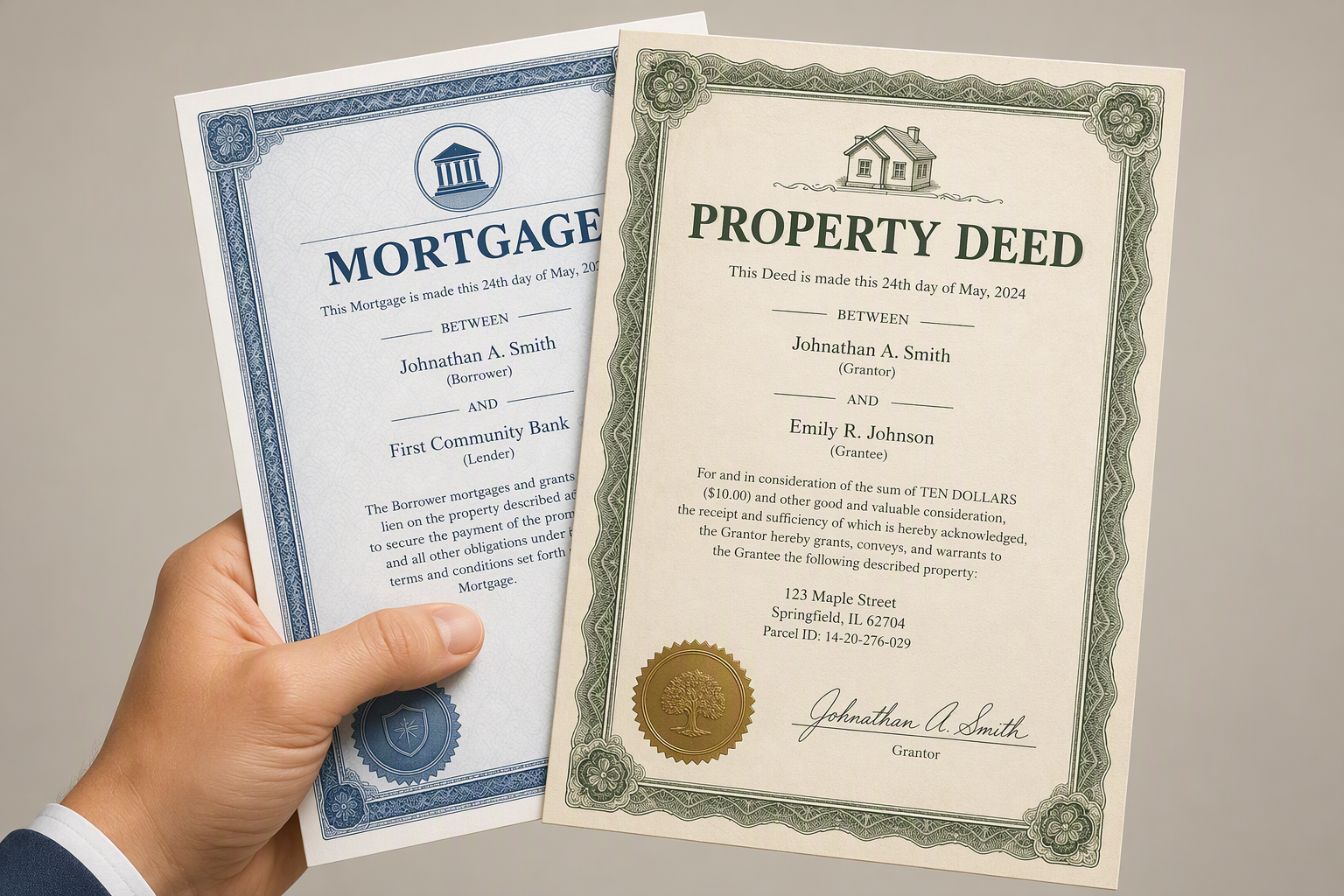
Mortgage records usually show the borrower, lender, loan amount, and legal description of the property.
Property deeds identify transfer details, including names and ownership language.
A title search helps confirm liens, releases, and deed history before closing.
Certified copies may require fees and a request through the local office.
Introduction
If you own, plan to buy, or want to research real estate, understanding mortgage records and property deeds can save you time and stress. These recorded documents help show who owns a property, what debt is tied to it, and whether key filings were completed. In many places, the county clerk’s office or recorder keeps these records available for review. Once you know what to look for, checking mortgage records becomes much easier and more useful.
Understanding Mortgage Records and Property Deeds
In real estate, records matter because they create a visible history tied to a property. Mortgage records and property deeds each serve a different purpose, but both can affect a sale, refinance, or title review.
One shows a lender’s claim against the property, while the other shows ownership transfer. Since these filings usually become part of the public record, they help buyers, sellers, and property owners verify important facts before making decisions. The next sections break down each document in plain language.
What Are Mortgage Records?
Mortgage records are recorded documents that show a loan is secured by real estate. In many cases, the filed instrument is a mortgage or deed of trust. That document gives the lender a security interest in the property until the debt is satisfied.
Unlike the promissory note, which usually contains the detailed repayment agreement and is often not recorded, mortgage records are placed in the county recorder’s office. This makes them part of local title records and helps others see that a lien exists on the home.
A typical filing may include the borrower and lender names, the property’s legal description, the loan amount, the effective or closing date, and recording reference details. It may also show signatures, notarization, and, in some cases, trustee or MERS information. These details help confirm the existence and priority of the lien.
What Are Property Deeds?
Property deeds are legal documents used to transfer ownership of real estate from one party to another. They do not create the loan itself. Instead, they show who is giving the property and who is receiving it.
A deed usually identifies the grantor and the grantee name, along with the legal description of the property. In some situations, related filings may also appear alongside a deed of trust during a title search, helping you understand both ownership and financing history.
These documents are important because they support due diligence. Before a buyer closes, deed records help confirm that the seller has the right to transfer the property. They also help trace past transfers, check recording details, and review whether supporting transfer paperwork was accepted with the filing.
Where Mortgage Records and Property Deeds Are Stored
Most mortgage records and property deeds are stored at a local government office in the county where the property sits. Depending on the area, that office may be called the county recorder, county clerk, or a similar records office.
These recorded documents become part of the public record once accepted for filing. That storage system creates a chain of information for lenders, buyers, title professionals, and property owners. Knowing which office handles the filing is the first step before you search online, visit in person, or request copies.
Role of County Clerk and Recorder’s Office
The county clerk’s office or county recorder’s office keeps land and financing filings in the county where the property is located. These offices maintain the official record for deeds, mortgages, deeds of trust, assignments, releases, and other real estate document types.
Under state law, the proper office accepts, indexes, and preserves recorded filings so the public can inspect them. That system helps protect ownership rights and gives notice that a lender or lienholder has an interest in the property. It also supports title work during sales and refinances.
If you are asking where mortgage records are stored and who maintains them in your county, the answer is usually the same local land records office. Office names vary by location. In some places it may be a recorder, while elsewhere the county clerk or clerk of court handles the same function.
Online vs In-Person Access
Many counties now offer online access to recorded documents, which makes basic searching faster. You may be able to look up records from a mobile device or home computer using a property address, party name, or parcel number. That said, availability varies by county office.
Some systems let you view index details for free, while others allow document images or downloads. In-person research can still be necessary, especially if older records were not digitized or if you need certified copies during normal business hours.
Check the county office website for search tools, access rules, and document availability.
Use the property address, owner name, or parcel identification number when searching.
Visit the office if online access is limited or if you need certified paper copies.
Information Included in Mortgage Records
Mortgage records can tell you a lot, but not everything, about a property loan. Since these recorded documents become part of the public record, they usually show core filing details rather than the borrower’s full loan file.
You can often find lender details, borrower names, a loan amount, legal property references, and recording data. What you usually will not see is a running payment history or the current payoff balance. To understand the most useful parts of mortgage records, it helps to look at the information in smaller categories.
Borrower and Lender Details
One of the first things shown in mortgage records is the identity of the parties. The filing typically lists the borrower and lender so anyone reviewing the document can see who entered the secured transaction.
These recorded documents often include each party name and, in some cases, mailing address information tied to the filing. In deed of trust states, the record may also identify the trustee. That matters because the document is designed to show who holds rights and responsibilities connected to the lien.
For researchers, this information is useful during title review, refinance work, or ownership verification. If a lender later changes through an assignment, that transfer may also appear in the public filing history. Looking at the full chain helps you confirm whether the right party is tied to the recorded loan documents.
Loan Amount and Terms
Mortgage filings commonly show the original loan amount and certain date information, such as the effective date or maturity date. These details help establish the size and timing of the secured obligation linked to the property.
Still, there is an important limit. The promissory note usually contains the full repayment terms, monthly payment details, and amortization information, and that note is typically not part of the public recording system. So while you can often see the original amount borrowed, you usually cannot see the exact current balance from county records alone.
This distinction matters during due diligence. A buyer, investor, or title company can confirm that a recorded lien exists and review basic terms, but deeper payoff information often comes from the lender or servicer rather than the land records office.
Payment Records and History
Many people expect county records to show a full payment history, but that is usually not how the system works. Public filings generally record the security instrument, later assignments, and final release documents, not every monthly payment made by the borrower.
What you can often confirm is whether a loan appears active because no release has been recorded, or whether it was cleared through a satisfaction of mortgage, release, or reconveyance. The same idea applies to home equity lines of credit and other recorded property debt. If those liens were filed, they may appear in the record trail.
If you want detailed payment history for your own property online, county land records may not provide it. They are more useful for checking whether a lien exists, whether it was transferred, and whether it was formally released after payoff.
Information Found on Property Deeds
Property deeds focus on ownership transfer rather than loan security. These recorded documents help show how title moved from one party to another and form a key part of deed records tied to the property.
A deed often includes the legal description, the grantee name, the grantor, and recording details used to track the filing later. Depending on the area and transaction, other transfer-related information may appear with the document. To read deeds with confidence, it helps to know what each major item means and why it matters.
Legal Description of Property
The legal description is one of the most important parts of a deed. It identifies the exact real estate being transferred, using formal land description language rather than everyday wording alone.
This property description may appear alongside the street location, but the two are not always the same thing. A mailing address helps people find the home, while the legal description defines the land for ownership and recording purposes. In many searches, the parcel identification number also helps connect the deed to the correct tract.
Accuracy here matters. If the legal description or parcel identification number is wrong, confusion can follow during a sale, refinance, or title search. That is why deed reviewers look closely at this section when confirming that the recorded document matches the intended property.
Names of Grantor and Grantee
Every deed should clearly identify the parties involved in the transfer. The grantor is the person or entity giving the property, and the grantee name identifies the person or entity receiving ownership.
Because deeds are generally filed as a public record, these names become part of the property’s visible history. That is helpful for title review because it lets buyers, lenders, and other parties trace ownership from one transfer to the next without relying only on private paperwork.
Some transfer-related documents may also reference value information needed for recording acceptance. In Arizona, filings tied to property transfers may require an Affidavit of Property Value or an exemption code. Even when a sale price is discussed in a transaction, the main purpose of the deed itself is to show the transfer of title from grantor to grantee.
Recording Date and Document Number
Once a deed is accepted, the office assigns reference details so the filing can be found again later. These details usually include the recording date and a document number, sequence number, docket reference, or page number, depending on the county system.
This information matters because recorded documents build the property’s chain of title over time. When a title company, buyer, or property owner needs to verify an earlier transfer, those reference numbers make the search easier and more reliable.
The recording date can also affect how a filing fits into the property timeline. During research, reviewers often compare dates across deeds, mortgages, releases, and assignments. That helps confirm whether documents were filed in the expected order and whether any gap in the chain needs closer review.
Accessing and Requesting Certified Copies
Looking up a document online is useful, but sometimes you need more than a simple view. For legal, title, or closing purposes, certified copies may be required instead of basic images from a public record search.
Those copies are usually requested through the county recorder’s office, county clerk, or another local records office that keeps the filing. Rules differ by county, and recording fees may apply. Before you order, it helps to know the common request steps and what can affect turnaround time.
Steps to Request Certified Copies
If you need certified copies of mortgage or deed records, start with the county recorder’s office in the county where the property is located. Some offices accept requests online or by mail, while others require an in-person visit. A title company may also help you identify the exact document to request.
To avoid delays, gather key search details before contacting the office. That usually includes the property address, owner names, document number if known, and the type of record you need.
Confirm the county and locate the correct county recorder’s office.
Search the index first so you can identify the right recorded document.
Ask whether certified copies can be ordered online, by mail, or only in person.
Be ready to pay with a credit card if the office supports remote payment.
Fees and Processing Time
Yes, there is often a fee to obtain copies, especially certified ones. Many counties allow free searching of index data, but copies and certifications commonly involve recording fees. The amount and processing time depend on the county recorder and the document types requested.
Turnaround can also vary by request method. In-person requests may move faster than mailed orders, while online systems can help you place the request outside regular office traffic. Older documents may take longer if they are stored in paper form rather than a digital archive.
How to Search Mortgage Records and Property Deeds
Searching records becomes easier once you know which details the county system accepts. In many places, the county recorder lets you search by property address, owner name, parcel number, or document reference.
Each search method can reveal something different during a title search. An address may help you find the property quickly, while a name search can uncover related filings across time. If you want more complete results, it is smart to compare more than one search path instead of relying on a single lookup.
Searching by Property Address
For many people, the easiest place to start is the property address. County search tools often let you enter the street address to pull up related deed and mortgage filings connected to that location.
This method can work well for a basic title search, especially when you want to confirm whether recorded liens, deeds, or releases appear in the file. Still, address searches are not perfect. Formatting differences, unit numbers, or older indexing practices can affect results.
That is why many researchers cross-check with the parcel identification number when available. The parcel number can help narrow the search to the exact lot or tract, which is useful when multiple properties share similar addresses. If the county offers online records, this combination often gives the most reliable starting point.
Searching by Owner Name
A name search is another common way to review land records. Many systems allow you to search by owner name or other party name listed in the filing, such as borrower, lender, grantor, or grantee.
This approach is useful when the property address is unclear or when you want to track several filings tied to the same person across time. Since each recorded document becomes part of the public record, a name-based search can reveal deeds, mortgages, assignments, and releases that might not appear in a narrow address lookup.
For deeper work, a title company may use both methods together. That helps catch variations in spelling, ownership transfers, or lender changes. If you are researching on your own, try multiple name formats to improve your chances of finding all related records.
Public Access to Mortgage Records
In most cases, mortgage filings are open for public review because they are recorded land records. That means viewing documents through the county recorder is usually possible without special permission, whether online or in person.
Still, public access does not mean every detail is open without limits. Some restrictions apply, especially when a filing contains sensitive information. Understanding what you can see, what may be redacted, and how liens appear in the record helps you use these documents more effectively.
Restrictions and Confidential Information
Mortgage records are generally available as public land filings, so you usually do not need special permission to view them. The key exception is that access is shaped by local procedures and state law, especially when confidential information appears in a document image.
Even though the filing itself is public, some personal details are often removed or limited before broad release. That helps balance transparency with privacy. It also explains why the public can usually confirm a lien exists without seeing every part of the borrower’s private financial file.
Social security numbers are typically redacted or restricted from public display.
Private loan file details, such as income records, are not usually part of recorded land filings.
Access methods may still depend on county system rules and office procedures.
Viewing Liens and Outstanding Loans
Yes, recorded mortgage records can help you see whether liens appear against a property. A filed mortgage or deed of trust shows that a lender has a claim secured by the real estate. Other recorded items may include assignments, releases, and in some cases judgment liens.
What public records usually show is the existence of the lien, its recording date, and basic filing details. They do not usually show the exact current payoff amount. So you can often tell whether there are apparent outstanding loans, but not the live balance owed on a given day.
To determine whether a lien was cleared, look for a satisfaction of mortgage, release, or reconveyance filed later in the chain. If no release appears, the title may still look encumbered, which can create questions during a sale or refinance.
What To Do If Mortgage Records Are Incorrect or Missing
Mistakes in mortgage records can create real problems. A wrong name, missing release, or incorrect property detail may delay a refinance, raise title concerns, or make ownership research harder than it should be.
If you spot errors, act quickly and keep copies of anything that supports your claim. Since the county recorder keeps the filed version, fixing the issue usually involves working with the office that recorded it and, in some cases, the lender or another filing party. Start by identifying the exact problem in the record chain.
Common Errors in Records
Not every problem in land records is dramatic. Some of the most common errors are simple but still important, such as misspelled names, wrong dates, incorrect legal references, or a parcel identification number that does not match the intended property.
Other issues involve missing filings. For example, a loan may have been paid off, but the release was never recorded, making it look as if the lien is still active. In the official record, even small mistakes can affect title review because the chain depends on accurate indexing and matching document types.
You may also find recording gaps after a refinance or lender transfer. If an assignment, reconveyance, or related filing does not appear where expected, gather the available details first. That makes it easier to explain the problem when you contact the responsible office or institution.
Steps to Correct or Update Records
If mortgage records are incorrect or missing, begin by confirming exactly what is wrong in the official record. Compare the recorded document with your closing paperwork, payoff papers, or prior copies. Then contact the county recorder to ask about the local correction process.
The office may explain whether a corrected filing must come from the lender, trustee, attorney, or another original party. In some counties, the clerk of court or related office may also be involved, depending on the document type and local system.
Gather the document number, property details, and copies showing the error.
Contact the county recorder and ask what form of correction is required.
Reach out to the lender or filing party if a new release or correction must be recorded.
Follow up until the update records process is completed and indexed.
Conclusion
In summary, understanding mortgage records and property deeds is essential for anyone involved in real estate transactions. These documents not only reveal critical information about ownership and financial obligations but also serve as a cornerstone for legal claims and property rights. By familiarizing yourself with the types of information included in these records, where to access them, and how to correct any inaccuracies, you empower yourself to make informed decisions about your property. If you're looking for personalized advice or assistance navigating this complex world, don’t hesitate to reach out for a free consultation. Your property deserves the best management possible!
Frequently Asked Questions
Is there a fee to access or obtain mortgage records?
Often, yes. Many counties let you search the public record for free, but the county recorder may charge recording fees for copies, especially certified copies. Costs can vary by location and document types, so check the local fee schedule before placing a request.
How long are mortgage records kept on file?
Recorded mortgage documents are generally kept as a permanent part of the official record. In practice, the county clerk or recorder preserves these filings indefinitely under state law so the property maintains a full public record history across different document types.
Can I access payment records for my property online?
Usually not through the county recorder. Mortgage records may be available through online access, but they typically show the recorded lien, assignments, and releases rather than full payment history. If online tools are limited, you can still check filings or visit during business hours for record review.