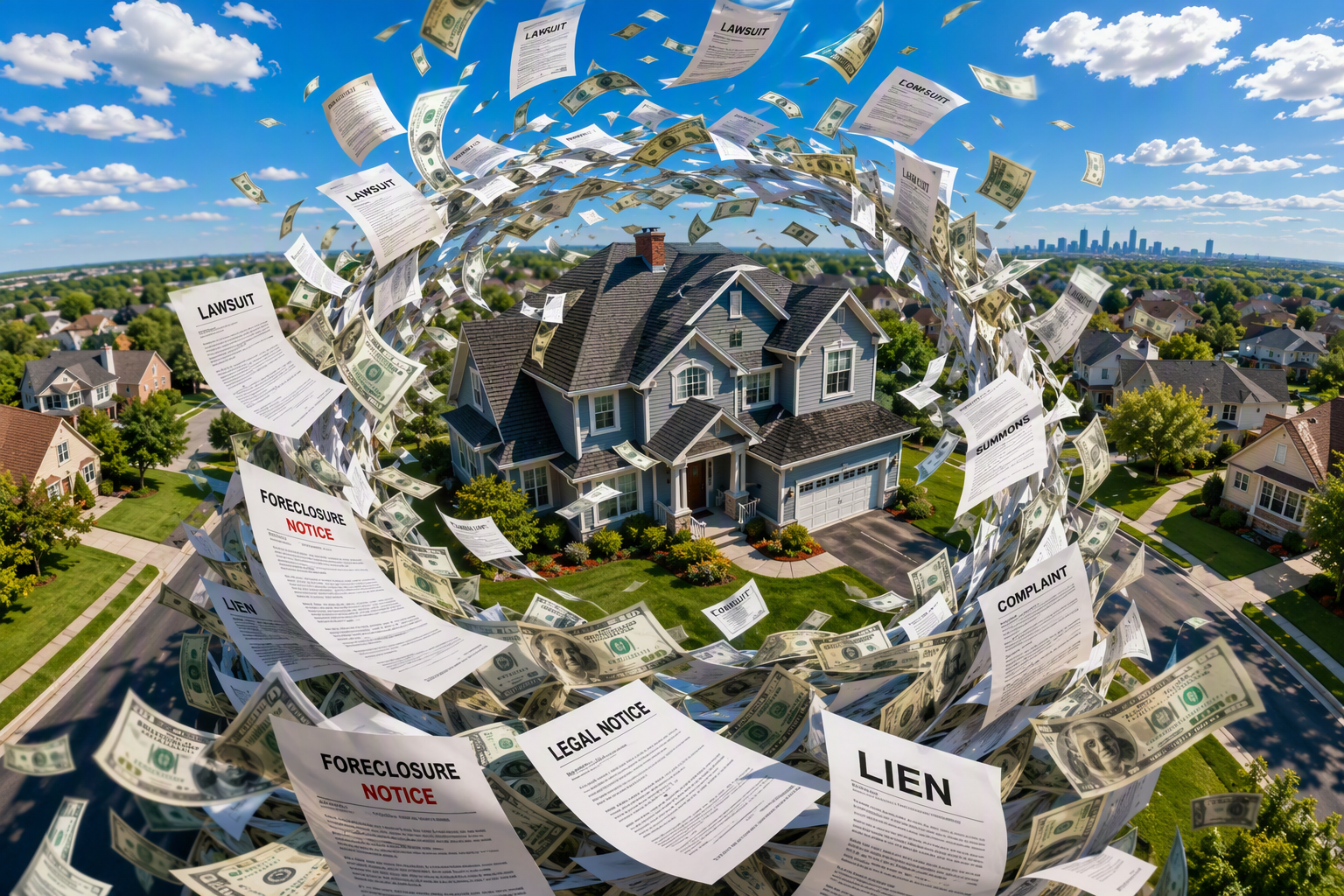
Key Highlights
Chapter 13 can place mortgage arrears into a court-approved repayment plan.
You usually repay missed amounts over three to five years, not in one lump sum.
Filing often creates an automatic stay that pauses foreclosure proceedings and other collection actions.
You must usually keep making new mortgage payments during the bankruptcy case.
The bankruptcy court reviews the plan, and a bankruptcy trustee helps oversee payments.
Chapter 13 may also address other debts that are hurting your budget.
Introduction
Falling behind on your home loan can feel overwhelming fast. Mortgage arrears often grow after a job loss, medical expense, divorce, or another setback, and your mortgage company may start pushing for payment before you have time to recover. Chapter 13 can sometimes offer a path forward through the bankruptcy process. Instead of paying everything at once, you may get time to catch up while protecting your home. To understand how that works, it helps to start with what arrears really mean.
Understanding Mortgage Arrears in the Context of Bankruptcy
Mortgage arrears are the overdue amounts you owe on your home loan after missing payments. That balance may include late charges and added costs, which can make the amount due harder to manage as time passes.
In a tough financial situation, arrears rarely exist alone. You may also be juggling unsecured debt like credit cards, medical bills, or personal loans. A bankruptcy filing can help organize these pressures, and Chapter 13 may give you a structured way to catch up on missed mortgage payments over time.
What Are Mortgage Arrears and Why Do Homeowners Fall Behind?
At its simplest, mortgage arrears are past-due mortgage payments that were not paid when required. Once you miss one payment, the unpaid balance can increase with fees and other charges. That makes catching up harder, even if your income improves later.
People fall behind for many reasons. Often, the problem starts with a temporary hardship that throws off the household budget. Common triggers include:
job loss that cuts off income for weeks or months
medical bills that pull money away from housing costs
credit card debt and other unsecured debt that consume available cash
In a Chapter 13 bankruptcy case, those arrears are usually handled through a repayment plan rather than an immediate lump sum. That approach can give you a longer period to fix the default while keeping up with current obligations.
How Mortgage Arrears Threaten Homeownership
Missing payments does more than create a balance due. Mortgage arrears can push your loan into default, which may trigger notices from your mortgage company and move the matter toward foreclosure proceedings. Once deadlines start, available time may become very limited.
That pressure can rise quickly if you receive a default letter, foreclosure complaint, settlement conference notice, or even a sale date. At that point, paying everything at once may not be realistic. For many homeowners, the real issue is not the regular mortgage payment but the large overdue total.
Chapter 13 can affect your ability to keep your house by creating a legal structure through the bankruptcy court. If the plan is approved and you can maintain required payments, it may provide a path to cure the default and hold onto the property.
Overview of Chapter 13 Bankruptcy and Its Purpose
Chapter 13 is a federal bankruptcy process for people with regular income who need time to reorganize debt after a financial setback. Under the bankruptcy code, you propose a repayment plan that is reviewed in bankruptcy court.
Its purpose is different from a loan modification. A Chapter 13 bankruptcy case creates a court-supervised way to repay overdue amounts, including mortgage arrears, over time. A loan modification, by contrast, changes the terms of the mortgage only if the lender agrees. That difference shapes which option may fit your situation.
How Chapter 13 Differs from Other Bankruptcy Chapters
Chapter 13 stands out because it focuses on repayment over time. Under the bankruptcy code, a person with steady income proposes plan payments that may last three to five years. That can help with mortgage arrears while also dealing with unsecured creditors and certain priority debts such as tax debt or child support obligations.
The key steps to curing arrears usually include a bankruptcy filing, proposing a workable plan, getting court approval, and staying current on both ongoing mortgage obligations and plan payments. A bankruptcy attorney can help you evaluate whether that path is realistic.
Who Typically Files for Chapter 13 Bankruptcy?
Chapter 13 is often called a wage earner’s plan because it is designed for people who have regular income. They may have fallen behind after a layoff, illness, divorce, or another disruption, but now have enough earnings to support a structured payment plan.
Many filers can afford the normal monthly mortgage payment going forward, yet cannot pay the full overdue amount at once. Others also have pressure from credit cards, medical bills, car loans, or tax debt. In those cases, Chapter 13 may offer a broader answer than a mortgage-only solution.
A bankruptcy filing usually makes the most sense when you have enough disposable income to cover both ongoing living costs and plan obligations. If there is no realistic way to make future payments, this option may not solve the problem over the long term.
How Chapter 13 Bankruptcy Addresses Mortgage Arrears
Chapter 13 addresses mortgage arrears by placing the past-due balance into a repayment plan that is paid over time. That means you may not need to come up with one large payment immediately, even if your mortgage company has already started collection actions.
The bankruptcy trustee helps administer the plan, and the court decides whether it meets legal requirements. Yes, mortgage arrears are generally included in the Chapter 13 repayment plan, while you continue dealing with current obligations separately. The next sections explain how those plan terms are usually structured.
Including Past-Due Mortgage Payments in Your Repayment Plan
If you are behind on your home loan, the missed amount is usually folded into your Chapter 13 repayment plan. This includes the overdue balance that built up before filing. Instead of paying that total in one shot, you make plan payments over the life of the case.
That structure is one reason Chapter 13 can help homeowners who have recovered from a setback but still cannot cure the default immediately. The bankruptcy court reviews the proposed payment plan to make sure it follows federal rules and is workable based on your income and debts.
Even so, including mortgage arrears in the plan does not usually change the basic terms of a mortgage on a primary residence. The goal is not to rewrite the loan. The goal is to give you a formal way to become current over time.
Structuring a 3-to-5-Year Plan to Catch Up on Arrears
Most Chapter 13 plans use a repayment period of three to five years. During that time, overdue mortgage payments are spread out into manageable monthly payments instead of requiring a lump sum. That longer period can make a serious default easier to handle if your income has stabilized.
A workable plan usually depends on whether you can afford all required obligations going forward. In practice, that means budgeting for:
the regular monthly mortgage payment after filing
the Chapter 13 amount needed to cure arrears over the repayment period
Yes, Chapter 13 can help you catch up on missed mortgage payments, but only if the numbers truly work. A plan will not fix the problem if your household cannot support both payment streams. That is why a close review of income, expenses, and future payments matters before filing.
The Automatic Stay and Stopping Foreclosure
When you file Chapter 13, the automatic stay usually goes into effect right away. This legal protection stops most collection activity and can pause foreclosure proceedings while your bankruptcy case moves forward. For a homeowner facing a sale date, that pause can be critical.
Still, the stay is not unlimited protection in every situation. Exceptions may apply, especially if there were prior bankruptcy filings or if a lender later gets court permission to continue. To see what the automatic stay does and does not cover, it helps to look at the details.
How the Automatic Stay Works Once You File
A bankruptcy filing generally triggers the automatic stay. This is a form of legal protection that tells creditors to stop many collection actions for the time being. If foreclosure proceedings are already underway, the stay can pause that process while the court reviews your case.
For homeowners with mortgage arrears, this usually means immediate relief from escalating pressure. The automatic stay may:
pause a pending foreclosure sale
stop many collection calls or letters
give you time to propose a Chapter 13 repayment plan
So, will filing for Chapter 13 stop foreclosure on your home if you have mortgage arrears? In many cases, yes, at least temporarily. The stay creates breathing room, but you still need a valid plan and the ability to follow it if you want longer-term protection.
Limitations of the Automatic Stay in Protecting Homeowners
Although the automatic stay is powerful, it does not guarantee permanent safety. Bankruptcy law includes exceptions, and some homeowners may receive less protection if they have filed previous cases. The facts of your situation matter.
A mortgage company can also ask the bankruptcy court for permission to move forward despite the stay. That may happen if the lender believes the legal requirements are not being met or the homeowner is not making required payments. In other words, the stay is a pause, not a final solution by itself.
This means timing and preparation are important. If a sale date is approaching, filing may stop the immediate threat, but lasting protection usually depends on whether your Chapter 13 plan is realistic and whether you can maintain future obligations throughout the case.
Making Mortgage Payments During Chapter 13 Bankruptcy
Many homeowners ask whether filing means all mortgage payments move into the case. Usually, no. During Chapter 13, you generally must keep making your regular mortgage payment while also following the court-approved payment plan for arrears.
That means you may deal with both your mortgage servicer and the bankruptcy trustee during the case. This split structure is important because Chapter 13 is meant to cure the default over time, not replace your ongoing home loan duties. Next, we will break down those two payment tracks.
Regular Monthly Payments Versus Arrears Payments
In most cases, you must make two different types of payments during Chapter 13. First, you continue the regular mortgage payment that comes due after filing. Second, you pay the amount needed to cure mortgage arrears through the Chapter 13 payment plan.
These obligations serve different purposes. Think of them this way:
the regular mortgage payment keeps your loan current going forward
the arrears portion pays back what was missed before filing
the bankruptcy trustee helps oversee the plan side of the process
So, do you make regular mortgage payments during Chapter 13 bankruptcy? Usually, yes. That is a key rule. If you can handle only one of these obligations and not the other, the case may not give you the long-term relief you are hoping for.
Consequences of Missing Payments While in Chapter 13
If you fall behind again after filing, the problem can become serious quickly. Missing mortgage payments during Chapter 13 may undermine the plan that was supposed to cure your earlier default. It can also create new mortgage arrears on top of the old ones.
That may put pressure on your case in bankruptcy court. The bankruptcy trustee monitors plan performance, and the lender may raise concerns if required payments are not being made. Once that happens, the protection you gained at filing may become less secure.
What happens if you fall behind on your mortgage after filing for Chapter 13 bankruptcy? The risk of foreclosure proceedings can return, especially if the lender seeks permission to continue legal action. Staying current is essential because Chapter 13 works best only when future payments remain affordable.
Conclusion
In summary, navigating mortgage arrears during Chapter 13 bankruptcy can be a complex yet manageable process. Understanding how mortgage arrears impact homeownership and the role of Chapter 13 can empower homeowners facing financial difficulty to regain control. By structuring a repayment plan that addresses past-due payments and utilizing the protection of the automatic stay, you can work towards catching up on your mortgage while maintaining your home. Remember, every situation is unique, and seeking assistance from a qualified professional can provide tailored guidance. If you're ready to take the next step towards financial stability, don’t hesitate to reach out for a free consultation.
Frequently Asked Questions
Can mortgage lenders object to my Chapter 13 repayment plan for arrears?
Yes. Mortgage lenders can raise objections if they believe the repayment plan does not meet bankruptcy court requirements or is not feasible. That is one reason many people work with a bankruptcy attorney, who can help structure the plan and respond if a lender challenges how arrears are treated.
Will Chapter 13 bankruptcy help me keep my house if I’m behind on my mortgage?
It may. Chapter 13 bankruptcy can help some homeowners keep their property by spreading mortgage arrears over time and pausing foreclosure proceedings after filing. The bankruptcy court must approve the plan, and you usually must stay current on future payments for the strategy to work.
What happens if I become delinquent on mortgage payments during Chapter 13?
If you miss mortgage payments during Chapter 13, the case can be put at risk. The bankruptcy trustee and lender may raise the issue in bankruptcy court, and foreclosure proceedings may restart. Because you usually must make each regular mortgage payment on time, new delinquency can seriously weaken your protection.