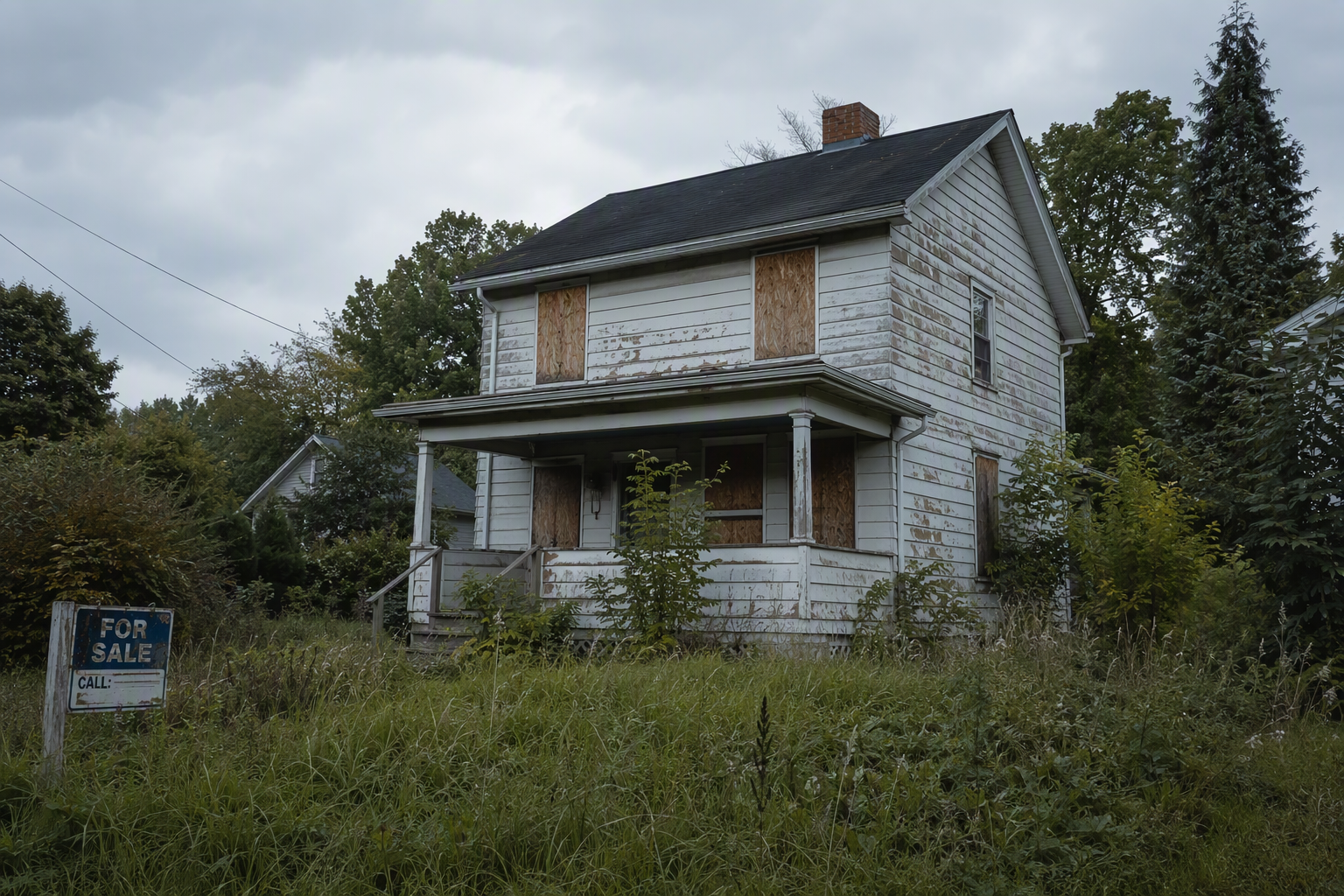
Key Highlights
In Pennsylvania, a vacant property can move through the foreclosure process faster under certain rules.
Pennsylvania law lets creditors seek a vacancy determination through a court or a code enforcement officer.
A vacant property may be excused from diversion programs, which can shorten delays in real estate cases.
Maintenance obligations of a creditor may arise in limited situations during foreclosure.
If upkeep is ignored, local real estate concerns can grow quickly.
Timing, notices, and sale steps still matter throughout the process.
Introduction
If you are dealing with a vacant property in Pennsylvania, the rules can feel hard to follow. The foreclosure process already involves notices, court filings, and a sheriff’s sale, and things can change again when a home sits empty. Under Pennsylvania law, vacancy can affect timing, service, maintenance, and even how quickly a sale is scheduled. Understanding these basics helps you see what may happen next and why abandoned-looking homes often move through the system differently.
Definition of Vacant Properties in Pennsylvania
In Pennsylvania real estate matters, a vacant property is more than a home that simply looks empty from the street. The issue usually comes up during foreclosure when a creditor believes the house is no longer occupied and may qualify as one of the abandoned properties covered by state rules.
Pennsylvania law allows that status to be examined through a legal process. Courts, or in some cases a local code official, review the condition of the real estate and supporting proof. That distinction matters because vacancy can change how the foreclosure moves forward.
Legal Criteria for Designating a Property as Vacant
Pennsylvania law does not treat every quiet house as vacant automatically. During the foreclosure process, a creditor must take steps to show that the real estate is truly one of the abandoned properties covered by the statute. That usually starts after a foreclosure action has already begun.
One path is through the court. The creditor may file an affidavit from a code enforcement officer, property inspector, or another competent adult with knowledge of the property’s condition. The filing must include photographic proof and is served with a Rule to Show Cause as part of the legal process.
If the owner responds under oath that the home is not vacant or abandoned, the court holds a hearing and makes the final decision. If there is no response, the property may be certified vacant by default. During an extended foreclosure period, that certification can help the case move faster.
Common Causes of Residential Vacancies
Homes often become empty for financial reasons. In many real estate cases, trouble starts when mortgage payments fall behind and the foreclosure process begins. Once a foreclosure action is filed, some owners try to work out a solution, while others leave before the case reaches a final stage.
There are also practical reasons a property ends up looking like one of the abandoned properties in a neighborhood. A long case can create uncertainty, and that uncertainty can lead to vacancy.
Missed mortgage payments for 60 days or more can trigger early foreclosure steps.
Some owners leave while exploring loan modification or bankruptcy options.
A short sale or deed in lieu may lead to a move before resolution.
Court delays can leave a home sitting empty for months.
Financial stress may make it hard to keep occupying the property.
Because every foreclosure process moves at its own pace, a house may sit vacant for a long time before sale.
Types of Properties Frequently Left Vacant
Not every vacant property follows the same pattern. In Pennsylvania real estate matters, the homes most often discussed are residential properties tied to missed loan obligations and residential mortgage foreclosures. These can include owner-occupied homes that were later left empty during litigation.
Some properties become part of the abandoned properties problem because the case drags on, while others are vacated closer to judgment or sale. What they share is that vacancy changes how lenders, courts, and local officials respond.
That is why classification matters before the case moves to the next legal stage.
Pennsylvania Laws Governing Vacant Properties
Pennsylvania law includes specific rules aimed at vacant and blighted homes tied to foreclosure. In real estate cases, the key change came with the Vacant and Abandoned Real Estate Foreclosure Act, which was designed to move qualifying properties toward sale more quickly.
This foreclosure act matters because it gives creditors a way to certify vacancy and use a faster path in some counties. It also touches service rules, timing, and limited possession rights. To understand how that works, it helps to look at the statutes, owner duties, and local enforcement.
Relevant Statutes Addressing Vacant and Abandoned Homes
The main statute discussed in these situations is Pennsylvania’s Vacant and Abandoned Real Estate Foreclosure Act. It applies in the foreclosure process after a creditor begins action and has reason to believe the property is vacant or abandoned. Its goal is to address blight while helping certain real estate cases move faster.
Under Pennsylvania law, the creditor can ask the court to certify vacancy or use a municipal code officer’s inspection and report. The statute also allows later documents to be served by first class mail and posting if the property has been certified vacant.
If you want the full text of the statutes, the compiled material points to formal state sources and legal updates, but the basic takeaway is clear: the foreclosure act creates an expedited path for qualifying abandoned homes and changes some normal procedural delays.
Legal Obligations of Owners During Vacancy
Even when a home is vacant, the owner’s problems do not pause. Pennsylvania law still leaves the property tied to the larger real estate dispute, and missed mortgage payments continue to shape the case. If the owner remains the titled party before sale, the home does not simply fall outside the system.
At the same time, the statute recognizes limited maintenance obligations of a creditor in certain situations. A creditor may seek possession while foreclosing so the property can be maintained and code issues can be corrected.
Owners still face the consequences of unpaid mortgage payments.
The property may still be subject to notices, filings, and sale steps.
Creditors may seek limited possession to handle upkeep.
Code issues can become important while the case is pending.
So, while vacancy changes the facts, it does not erase legal responsibility for the home.
Enforcement and Oversight by Local Authorities
Local authorities can play a direct role once a home appears vacant. In Pennsylvania law, a code enforcement officer may inspect the property and prepare a report stating whether it is vacant and abandoned. That report can become a major part of how the real estate case moves forward.
The officer’s report is sent to the owner with notice that a hearing must be requested to challenge the determination. If the owner does not act, the vacancy finding can become final without a full fight in local court. That can speed up later foreclosure steps.
Oversight also ties into maintenance obligations of a creditor. If a creditor gains limited possession during foreclosure, that right is aimed at keeping the property in shape and addressing possible code violations. In practice, local enforcement and court procedure often work side by side.
Implications of Vacancy During Foreclosure Proceedings
Vacancy can change the direction of a foreclosure process in real ways. Once a foreclosure action is already underway, an empty home may qualify for different treatment than an occupied one. That can affect notice, court scheduling, and how quickly the property reaches a foreclosure sale.
For anyone watching the case, the biggest issue is usually speed. A vacant house may move faster, but it can also decline while the real estate matter is pending. The next sections explain condition, special rules, and timeline effects.
How Extended Foreclosure Affects Property Condition
When the foreclosure process stretches out, a vacant property often becomes harder to manage. The compiled information explains that delays can happen because of court calendars, contested filings, bankruptcy, or lender inaction. While the real estate case sits, the home may also sit without regular attention.
That creates obvious property maintenance problems. An empty house can deteriorate simply because no one is there to monitor it, handle routine care, or respond quickly when something goes wrong. The longer the delay, the greater the risk that conditions worsen before any foreclosure sale occurs.
In Pennsylvania, a certified vacant property may move onto a faster track partly because long delays can leave blighted homes in place. So, if the case takes a long time, the home may remain in limbo, decline in condition, and become a stronger candidate for expedited treatment.
Special Rules for Foreclosing on Abandoned Properties
Yes, Pennsylvania law includes special rules for abandoned real estate foreclosure cases. Once a property is certified vacant, the foreclosure process can become an expedited foreclosure procedure. That means the case may avoid county foreclosure diversion programs that often add months of delay.
The rules also change service after the initial process. Later documents may be sent by first class mail to the address listed by the defendant, or by first class mail and posting at the property if no address was given. That can make procedure more direct when a home is clearly empty.
After judgment and a writ of execution are in place, sheriffs must schedule certified vacant properties within 60 days if the creditor pays an accelerated sale fee. This expedited foreclosure procedure is one of the biggest legal differences for abandoned homes in Pennsylvania.
Impact on Foreclosure Timeline When Property Is Vacant
A vacant home can shorten the foreclosure timeline, especially after certification. In a standard case, the lender still has to send notices, file the lawsuit, obtain judgment, and move toward a sheriff sale. Timing varies by county, the court docket, and whether the owner contests the action.
Still, the expedited foreclosure procedure can remove some delay points. Certified vacant properties may bypass diversion programs, and after the writ of execution is filed, the sheriff must schedule sale within 60 days when the required fee is paid. That is a meaningful change in the timeline.
As for eviction, the compiled information explains that after a sheriff sale, the new owner usually seeks an eviction order using proof of title transfer. If the property is already vacant, there may be less practical delay tied to removal, though court steps still matter.
Maintenance Responsibilities and Risks
Vacancy raises a simple question: who is supposed to keep the place from getting worse? In real estate disputes, property maintenance does not stop mattering just because mortgage payments are behind or a foreclosure case is pending.
Pennsylvania’s rules suggest that responsibility can shift in limited ways. Owners remain affected by the case, but maintenance obligations of a creditor may arise when the lender seeks possession to address code concerns. That leads directly to responsibility, penalties, and damage risks.
Who Is Responsible for Maintaining Vacant Properties?
Responsibility can depend on where the property sits in the foreclosure process. Before a sale is completed, the owner still has the main connection to the real estate, even if the home is empty. The case may be pending, but title has not yet changed simply because foreclosure started.
That said, Pennsylvania’s vacant-property rules recognize maintenance obligations of a creditor in a limited form. A creditor can exercise a right to possession while foreclosing in order to handle property maintenance and correct possible code violations. This is not the same as full ownership.
So, during a long foreclosure, upkeep may involve both the continuing legal position of the owner and the creditor’s limited authority if possession is granted. After sale and transfer, responsibility usually shifts to the new owner or lender controlling the property.
Potential Fines or Penalties for Neglect
The compiled information does not list a specific statewide fine just for leaving a home vacant. What it does show is that Pennsylvania law treats vacancy seriously because blighted homes create problems, and code violations can trigger action by local officials. In that sense, neglect can still bring consequences.
A creditor may seek limited possession to address code issues, which tells you property maintenance failures matter during foreclosure. The law was designed in part to tackle the eyesore of blighted properties and move them to foreclosure sale more quickly when they meet the statutory requirements.
So, while the materials do not set out a fixed schedule of fines or penalties, they do support this point: ignoring a vacant property can lead to enforcement attention, faster legal action, and added pressure from the court process surrounding the property.
Vulnerability to Disrepair, Theft, and Vandalism
Yes, a vacant property can become vulnerable while foreclosure is pending. The compiled information repeatedly shows that delay is common in real estate cases. When a home sits empty for months, property maintenance becomes harder and outside threats become more likely.
That risk is one reason Pennsylvania created a faster track for certain abandoned homes. An empty house does not just wait quietly. It can become a visible neighborhood issue long before ownership changes.
Routine property maintenance may stop during a long case.
The home can fall into visible disrepair over time.
Vacancy can increase the risk of theft.
A vacant property may become a target for vandalism.
Because of those risks, lenders may seek preservation measures and local officials may pay closer attention to the home’s condition.
Role of Banks, Lenders, and Mortgage Holders
Banks and lenders are not passive observers when a home sits empty. In a real estate foreclosure process, the mortgage holder often tracks the property’s status closely because delays, damage, and code issues can affect value and sale timing.
Their role becomes even more important after vacancy is confirmed. A mortgage holder may push for faster court action, a quicker sale date, or limited possession for property maintenance. The following sections cover what lenders do, how they secure homes, and how they work with local agencies.
Actions Banks Take After Foreclosure and Vacancy
When a property stays empty, a mortgage holder may try to move the case forward rather than let the home sit. In Pennsylvania real estate matters, that can mean seeking vacancy certification, pushing for expedited scheduling, and preparing for foreclosure sale. Timing matters because long delays can reduce value.
Once judgment is entered, the lender can move toward a sheriff’s sale. If the property has been certified vacant, the sheriff must schedule it within 60 days after the writ and payment of the required fee. Attorney fee schedules tied to Fannie Mae and similar entities may also come up in covered cases.
Seek a court or code-based vacancy determination
Request faster movement toward sheriff’s sale
Use service methods allowed for certified vacant homes
Prepare the file for sale and transfer steps
These actions help the mortgage holder reduce delay and manage risk.
Security Measures and Property Preservation Options
A lender facing a long foreclosure process may also focus on property preservation. The compiled information says creditors can exercise a limited right to possession while foreclosing to maintain the property and remedy possible code violations. That is a practical tool when a home is empty.
For a mortgage holder, preservation is not just about appearance. It protects the real estate from worsening conditions while the case moves through court and toward sale. This becomes especially important when vacancy is already documented.
Inspect the property through a qualified person
Use limited possession rights to address upkeep
Correct code issues before they grow worse
Coordinate steps that support later sale
These measures are designed to keep the property stable while the foreclosure process continues, not to skip the normal legal steps.
Coordination With Municipal Agencies and Code Enforcement
Lenders often need help from people outside their own offices. In vacant-property cases, a code enforcement officer may inspect the home and issue a report on whether it appears vacant and abandoned. That creates an important bridge between municipal agencies and the foreclosure file.
This coordination helps with both proof and property maintenance. A lender can rely on the officer’s inspection to support vacancy status, and the resulting notice gives the owner a chance to request a hearing. If no challenge is made, the determination may become final.
For real estate problems tied to blight, municipal agencies and lenders often have overlapping interests. Both want the home stabilized and moved through the system instead of sitting neglected. That is why code reports and court procedure often work together in Pennsylvania foreclosure cases.
Intervention by City and County Governments
City and county involvement usually centers on blight, code concerns, and court procedure rather than private loan terms. In a Pennsylvania foreclosure process, municipal agencies may inspect a property, document its condition, or help establish whether it is truly vacant.
That local role matters because it can influence how quickly the real estate case moves in local court. A municipal report may support vacancy certification, and local systems may also determine whether diversion programs apply. Next, you will see the neighborhood impact, available local responses, and reporting steps.
Community Impact of Vacant Homes
A vacant property can affect more than the owner or lender. The compiled information explains that Pennsylvania’s law was aimed at tackling blighted homes, which shows that local governments do get involved when a foreclosed property creates visible neighborhood problems. This is especially relevant in residential mortgage foreclosures.
Once a home appears abandoned, city or county officials may become part of the process through inspections, notices, and vacancy determinations. Their role is not to decide the loan dispute itself, but to address local real estate concerns tied to condition and occupancy.
Empty homes can become neighborhood eyesores
Blighted conditions often draw municipal attention
Local officials may help confirm vacancy status
Community concerns can increase pressure for faster action
That is one reason vacancy matters beyond the foreclosure file.
Local Programs Addressing Blighted and Abandoned Properties
Pennsylvania’s vacant-property law was created to address blight, and local systems are part of how that goal is carried out. In many counties, ordinary foreclosure diversion programs can slow a case down, but certified vacant homes may be excused from those programs. That helps abandoned properties move more quickly.
Municipal agencies also contribute by documenting vacancy and code conditions. Their reports can shape what happens in local court and whether the property is treated as part of the expedited track. This is a practical response to homes that sit empty and deteriorate.
So, while the compiled information does not name every local initiative, it clearly shows a pattern: counties and municipalities use court procedures, inspections, and vacancy determinations to respond to blighted real estate and move abandoned properties toward resolution.
Steps for Reporting and Managing Vacant Residences
When a home appears empty, reporting usually starts with the people and offices already tied to the property. Under Pennsylvania law, a creditor may involve a code enforcement officer to inspect the home and prepare a report. Municipal agencies then become part of the management process through notice and possible hearings.
That process matters because the owner still gets a chance to challenge the vacancy finding. If no hearing is requested after notice, the determination can become final. From there, the foreclosure path may change.
Request or obtain an inspection of the vacant property
Use a code enforcement officer’s report when available
Send notice so the owner can challenge the determination
Move forward through court or municipal procedures if unchallenged
These steps help turn neighborhood concern into a formal legal process.
Conclusion
In conclusion, understanding what happens to a vacant property in Pennsylvania is crucial for both owners and potential buyers. Vacancies can stem from various causes and have significant legal implications that must be navigated carefully. Owners must be aware of their responsibilities and the potential risks associated with neglecting these properties. Additionally, local authorities play a vital role in managing vacant homes, ensuring that they don't detract from community well-being. If you find yourself facing issues with a vacant property, don't hesitate to seek professional advice. Reach out today for a free consultation to explore your options and ensure you're making informed decisions about your property.
Frequently Asked Questions
Are there penalties for leaving a property vacant after foreclosure in Pennsylvania?
The compiled information does not set out a specific statewide list of fines or penalties just for vacancy. Still, in the foreclosure process, Pennsylvania law shows that poor property maintenance can trigger code concerns, enforcement attention, and faster movement toward sale when a home appears blighted or abandoned.
What rights do previous owners retain if their home is vacant during foreclosure?
Previous owners still have notice and challenge rights during the foreclosure process. Under the foreclosure act and Pennsylvania law, they can respond under oath if they dispute vacancy. Before foreclosure sale and the writ of execution steps are complete, ownership does not change simply because the property is empty.
Who ensures maintenance of vacant homes during long foreclosure periods?
During a long foreclosure process, upkeep may involve both the owner’s continuing legal position and the maintenance obligations of a creditor. A mortgage holder can seek limited possession to handle property maintenance and fix code issues, helping protect the real estate until sale or transfer occurs.