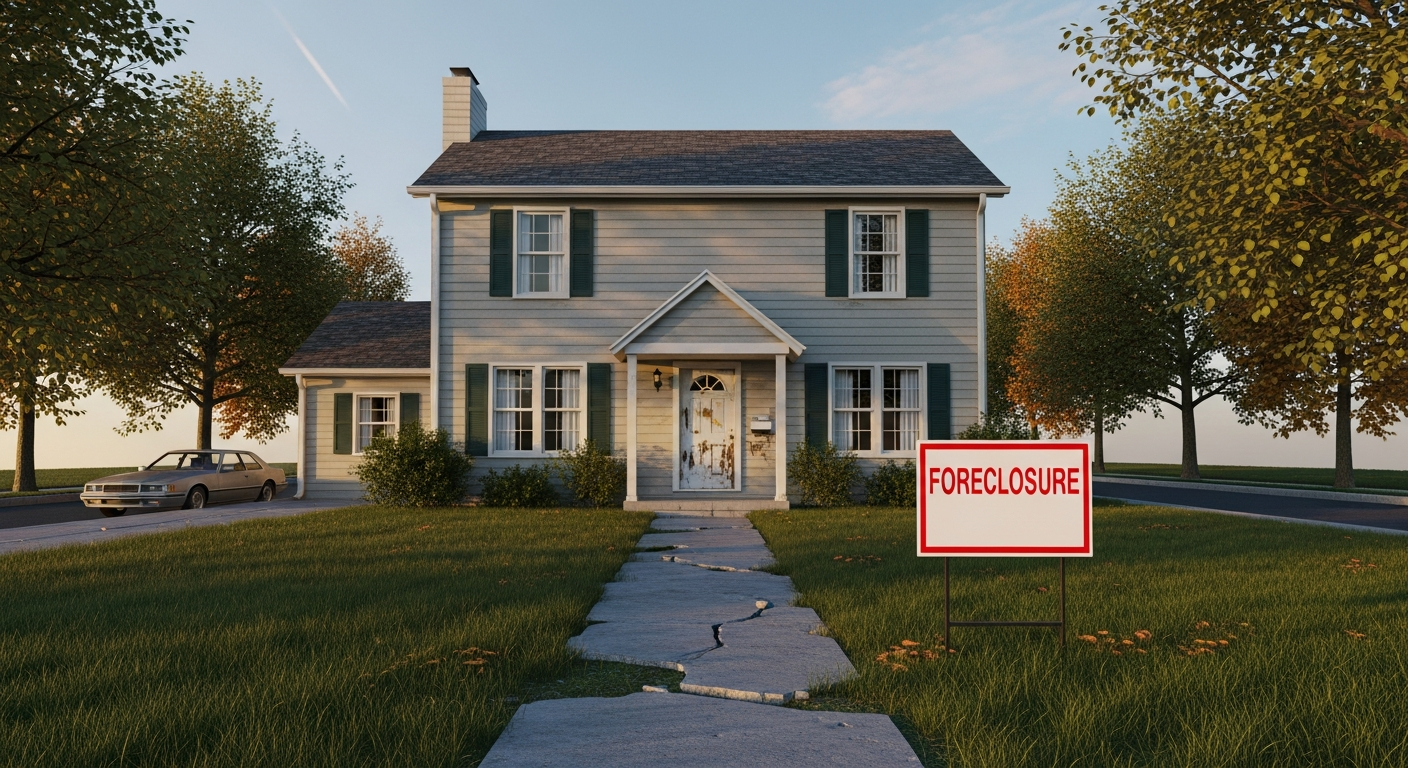
Facing foreclosure is a stressful experience, but you can navigate it by avoiding common mistakes. Understanding these pitfalls is the first step toward a better outcome. Here are the key takeaways from this guide:
Ignoring communication from your lender is one of the biggest mistakes, as it closes off potential solutions.
Missing critical deadlines in the foreclosure process can lead to losing your home automatically.
Failing to seek professional legal advice from a foreclosure defense expert can limit your options.
Many homeowners overlook valuable government assistance programs that could help them.
Avoiding negotiation with your lender is a missed opportunity to find a workable alternative.
Introduction
Foreclosure is one of the most challenging financial hurdles a homeowner can face. The process can feel overwhelming and complex, leaving you unsure of what to do next. If you're a homeowner facing a potential foreclosure, you are not alone. By understanding the common missteps people make when dealing with their mortgage lender, you can protect your home and your financial future. This guide will walk you through these mistakes and offer practical steps to help you make informed decisions during this critical time.
Most Common Mistakes Homeowners Make When Facing Foreclosure
When you receive a foreclosure notice, your actions can significantly impact the outcome. Many homeowners make common mistakes that reduce their chances of a favorable outcome and increase the risk of foreclosure. These errors often stem from stress and uncertainty, but being aware of them is the first step toward avoiding them.
Simple missteps like ignoring notices, missing deadlines, or failing to seek professional guidance can unfortunately lead to losing your home. Let's look at some of the most frequent errors homeowners make and how you can steer clear of them to protect your property.
1. Ignoring Communication from Lenders
One of the most significant errors a borrower can make is ignoring letters and calls from their lender. It's tempting to avoid what feels like bad news, but this approach almost always makes the situation worse. Your lender will send important documents, including a notice of default and information about options to prevent the foreclosure process from moving forward after you miss mortgage payments.
Ignoring these communications means you miss out on potential solutions. Lenders are often willing to work with you to find an alternative if you respond promptly. Ignoring them ensures the process continues without your input.
Instead of avoiding contact, you should:
Open and read all correspondence from your lender immediately.
Contact your servicer as soon as you anticipate financial hardship.
Be proactive to show you are willing to find a solution.
2. Missing Critical Deadlines and Notices
The foreclosure process involves strict timelines and deadlines. Missing them can have severe and often irreversible consequences. When you miss a deadline to respond to a notice or submit required paperwork, you essentially give the lender a green light to proceed with the foreclosure, which can worsen your situation significantly.
After several missed payments, the foreclosure proceedings will begin, and you will receive legal documents. Failing to respond to these within the given timeframe means you lose your right to present a defense in court.
To prevent this, you should:
Pay close attention to all deadlines for submitting forms or responding to notices.
Keep your paperwork organized and accessible.
Partner with a foreclosure attorney who can help track these timelines and ensure you remain in compliance.
3. Failing to Seek Professional Legal or Financial Advice
Waiting too long to get professional help is another common misstep. Many homeowners delay seeking legal advice because they are worried about the cost, but this delay can cost you your home. An experienced foreclosure attorney can assess your case, explain your rights, and help you navigate the complex legal system.
Seeking professional guidance early on is crucial. A foreclosure defense attorney can identify defenses you may not be aware of and handle critical paperwork to ensure no deadlines are missed. Having an expert on your side provides peace of mind and significantly increases your chances of a positive outcome.
What you should do:
Seek legal advice as soon as you receive a foreclosure notice.
Take advantage of a free consultation to explore your options without financial commitment.
Work with an attorney who can build a strong foreclosure defense strategy for you.
4. Neglecting to Explore Assistance Programs and Alternatives
Many homeowners at risk of foreclosure are unaware of the various assistance programs available to them. Both federal and state governments offer resources designed to help people keep their homes. Overlooking these opportunities is a mistake that can prevent you from finding the support you need.
Programs from the Federal Housing Administration (FHA) and the Department of Housing and Urban Development (HUD) can offer solutions like loan modification or refinancing options. A housing counselor can guide you through the eligibility requirements and application processes for these assistance programs.
To protect your home, consider these steps:
Research options like the FHA Secure Refinancing Program.
Speak with a certified housing counselor who can connect you with available resources.
Explore whether a loan modification could make your payments more manageable.
5. Accepting the First Offer Without Research
When facing financial hardship, it's easy to feel pressured into accepting the first solution your lender offers. However, this may not be the best option for your situation. Homeowners often lose their homes due to simple mistakes like agreeing to a repayment plan that isn't sustainable without exploring other possibilities.
Before you agree to anything, it's essential to do your research and consider all alternatives. A short sale, for example, might be a better choice than foreclosure, as it has a less severe impact on your credit. You need to think about what will work for you and your family before you start looking for a new place.
To make an informed choice, you should:
Negotiate with your lender instead of passively accepting their initial offer.
Explore alternatives like a short sale or deed in lieu of foreclosure.
Have a professional review any agreement before you sign to ensure it's the best option.
6. Overlooking Financial Assessment and Budget Planning
Making poor decisions during foreclosure often stems from a failure to assess your financial situation realistically. Without a clear understanding of your income, expenses, and existing mortgage terms, it's nearly impossible to navigate the process effectively. This lack of budget planning can lead to accepting solutions that aren't sustainable in the long run.
A thorough financial assessment is the foundation for making smart choices. Creating a detailed budget helps you understand what you can truly afford and allows you to identify the most viable path forward. Costly mistakes born from a lack of financial clarity, like agreeing to an unmanageable payment plan, can directly impact your chances of keeping your home.
Reviewing your financial situation helps you make decisions aligned with your long-term goals.
Costly Mistakes That Can Lead to Losing Your Home
Beyond the initial missteps, certain costly mistakes can almost guarantee you will lose your home. These actions not only accelerate the foreclosure but can also lead to further financial penalties. For any homeowner facing foreclosure, understanding what not to do is as important as knowing what to do.
Avoiding these critical errors can protect your property and give you peace of mind during a difficult time. From damaging the property to refusing to negotiate with your lender, these actions can have dire consequences in foreclosure cases. Let's examine these mistakes more closely.
7. Causing or Allowing Property Damage
When homeowners learn that foreclosure is imminent, some react with anger and resort to property damage or vandalism. Actions like tearing out fixtures, dumping cement down drains, or otherwise damaging the home might feel like a way to get back at the lender, but this is a serious mistake with legal and financial repercussions.
This kind of property damage complicates the bank's ability to sell the property. If the home sells for less than what you owe because of vandalism, the lender may pursue you for the difference through a deficiency judgment. This means you could end up owing thousands of dollars even after losing your home.
Instead of causing damage, you should:
Maintain the property in reasonable condition.
Prevent the home from falling into total disrepair.
Understand that damaging the property can lead to serious legal consequences.
8. Avoiding Negotiation with Your Lender
Some homeowners assume their mortgage lender is unwilling to help and avoid any form of negotiation. This is a missed opportunity. While lenders are not legally required to offer you a loan modification, many are willing to discuss alternatives to foreclosure because it is a costly process for them as well.
Communicating with your servicer opens the door to potential solutions. You may be able to negotiate a forbearance agreement, a repayment plan, or another workout option that allows you to stay in your home. Avoiding this conversation closes off these possibilities entirely.
To avoid this mistake, you should:
Be open to negotiation with your lender.
Proactively contact your servicer to discuss your situation.
Seek a foreclosure defense consultation to understand your negotiation leverage.
Conclusion
Navigating the complexities of foreclosure can be daunting, but understanding the common mistakes homeowners make is crucial to protecting your home. From ignoring communication with lenders to accepting offers without thorough research, these missteps can have serious consequences. By being proactive and seeking professional advice, exploring assistance programs, and carefully planning your finances, you can mitigate risks and enhance your chances of a positive outcome. Remember, knowledge is power, and avoiding these pitfalls can be the first step toward securing your home. If you want personalized guidance through this challenging time, don’t hesitate to reach out for a free consultation. Your journey towards financial stability starts now.
Frequently Asked Questions
What legal steps should homeowners avoid during foreclosure?
Homeowners should avoid ignoring court summonses or official notices, as this results in an automatic judgment against them. Do not transfer the property title to someone else to avoid the foreclosure. Also, avoid filing for bankruptcy under the wrong chapter of the bankruptcy code without consulting a foreclosure defense attorney, as it may not stop the foreclosure proceedings.
How can missing deadlines worsen my foreclosure situation?
Missing deadlines during the foreclosure process can cause you to lose your legal rights to defend yourself. If you fail to respond to a lawsuit, the lender can obtain a default judgment and proceed with selling your home without any further input from you, removing any chance to negotiate or present your case.
Are there ways to protect my home by avoiding common foreclosure errors?
Yes, you can protect your home by being proactive. Immediately contact your lender, explore a loan modification, and research federal assistance programs through the FHA and HUD. Seeking a consultation with a housing counselor or attorney can help you navigate these options and avoid costly errors.