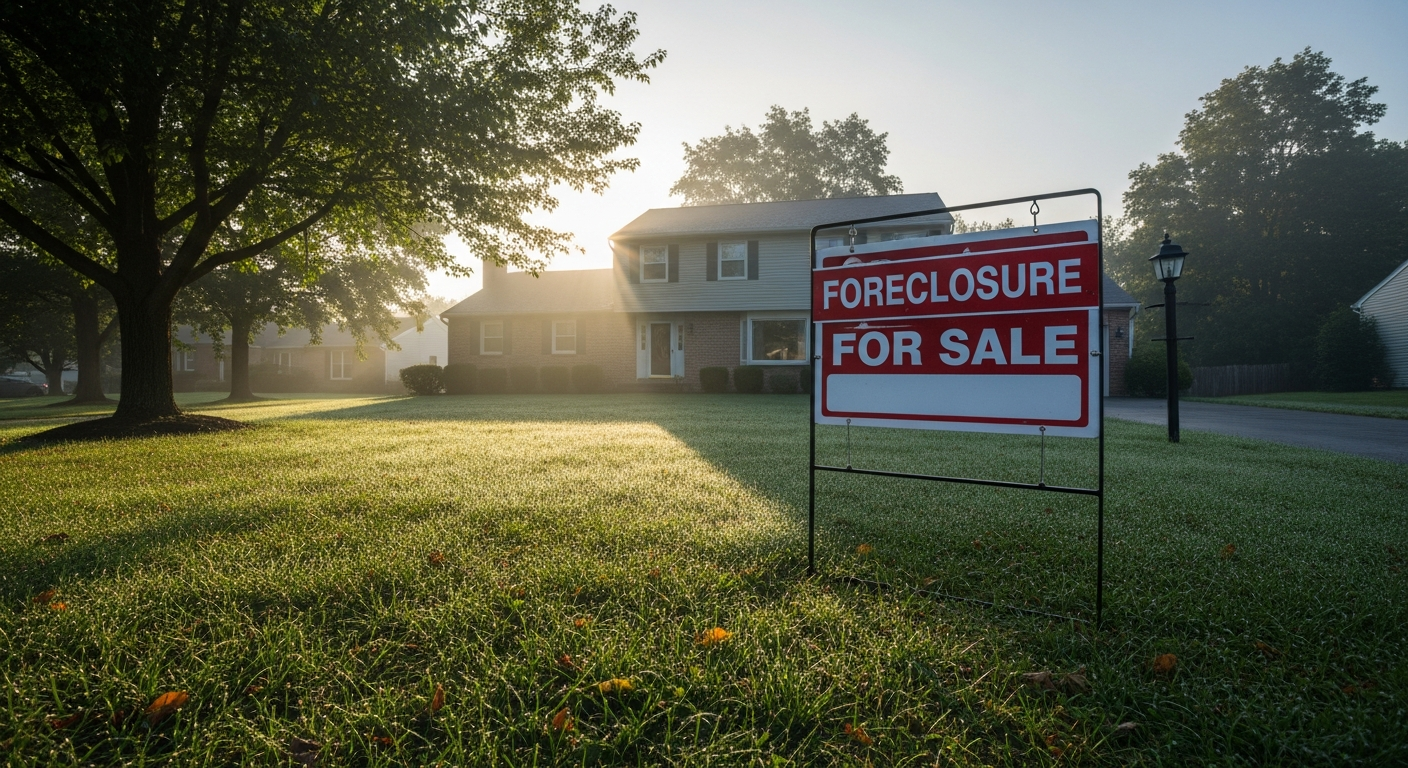
Many Pennsylvania residents believe common foreclosure myths, such as the idea that foreclosure happens instantly after missed mortgage payments. The judicial foreclosure process in Pennsylvania has specific steps and timelines, providing homeowners with opportunities to act. Regarding foreclosure rates, recent data indicates that while Pennsylvania's foreclosure rates have fluctuated over the years, there is not a consistent year-over-year decrease across the state. It's important for homeowners in Pennsylvania to stay informed about current trends and resources available to help with mortgage payments and avoid foreclosure.
The judicial foreclosure process in Pennsylvania has specific steps and timelines, providing homeowners with opportunities to act.
Homeowners have more options than they realize, including negotiating with mortgage companies, applying for assistance, or seeking legal help. Contrary to common belief, you do not immediately lose your home once foreclosure proceedings start in Pennsylvania. There is a legal process that provides time for the homeowner to explore these options, respond to actions by the lender, and potentially resolve the situation before the home is lost. Communication with your lender is crucial and will not make the situation worse; it can open doors to solutions.
Communication with your lender is crucial and will not make the situation worse; it can open doors to solutions. State-specific protections, like Act 6 and Act 91 notices, give Pennsylvania homeowners rights and access to programs. Contrary to common belief, you will not immediately lose your home after foreclosure proceedings start in Pennsylvania. The foreclosure process involves multiple steps and legal notices, which means a homeowner has time to respond and explore options with their lender before any eviction occurs. Therefore, beginning foreclosure proceedings does not result in an immediate loss of your home in Pennsylvania.
State-specific protections, like Act 6 and Act 91 notices, give Pennsylvania homeowners rights and access to programs.
Understanding these facts can help you avoid common mistakes during the foreclosure process and protect your home.
Introduction
Facing foreclosure can be one of the most stressful experiences a homeowner can endure. In Pennsylvania, this legal process can feel confusing and overwhelming, leaving many homeowners unsure of their rights or next steps. This guide is here to help. We will debunk the biggest foreclosure myths, explain the process clearly, and show you the options available to protect your home. You are not alone, and understanding the truth is the first step toward taking control of your situation.
Common Foreclosure Myths Among Pennsylvania Homeowners
Many Pennsylvania homeowners hold misconceptions about the foreclosure process that can lead to costly mistakes. These foreclosure myths often cause fear and inaction, preventing people from seeking help when they need it most. Believing you have no options or that the process is immediate can be paralyzing.
The reality is that understanding the truth behind these myths empowers you to make informed decisions. From timelines to communication with lenders, knowing the facts can change the outcome of your situation and help you navigate the challenges of potentially losing your home.
Belief That Foreclosure Happens Instantly
One of the most damaging foreclosure myths is the idea that you will lose your home immediately after a few missed mortgage payments. This simply isn't true. The foreclosure process in Pennsylvania is a judicial one, meaning it must go through the court system and follows a specific, regulated timeline. It does not happen overnight.
Before a lender can even file a lawsuit, they must send you formal notices, such as the Act 6 and Act 91 notices. These documents inform you of the default and your right to seek assistance. This initial stage of foreclosure provides a critical window of opportunity to explore your options.
Far from being instant, the process has several steps, each with its own deadlines and chances for you to respond. Recognizing that you have time to act is the first step in preventing the loss of your home. This period allows you to seek legal advice, communicate with your lender, or apply for state assistance programs.
Assumption That There Are No Options Once Process Begins
Many homeowners feel a sense of hopelessness once foreclosure proceedings officially start, assuming nothing can be done. This is a common and dangerous assumption. In reality, Pennsylvania law provides several opportunities to stop or resolve a foreclosure even after you receive a notice of default. Your mortgage servicer may be more willing to find a solution than you think.
Taking prompt action is key. You have rights and options available that can provide extra time or a path to keep your home. Some of these include:
Loan Modification: Requesting a permanent change to your mortgage terms to make payments more affordable.
Repayment Plan: Arranging a schedule with your lender to catch up on missed payments over time.
Forbearance Agreement: Temporarily suspending or reducing payments due to a short-term hardship.
It is never too late to explore these avenues. The worst mistake is doing nothing. Reaching out for help from a housing counselor or an attorney can open doors to solutions you may not have been aware of, giving you a fighting chance to save your home.
Myth That Talking to Lenders Makes Things Worse
A widespread fear among homeowners is that contacting their lender or mortgage companies during a foreclosure will somehow worsen their situation. Many worry that it will speed up the process or that anything they say will be used against them. This hesitation often leads to a complete breakdown in communication, which is a critical mistake.
In truth, open and honest communication is one of your most powerful tools. Lenders are often more willing to work with borrowers who are proactive and transparent about their financial struggles. They prefer to find a solution rather than go through the costly and time-consuming foreclosure process. By reaching out, you demonstrate a good faith effort to resolve the debt.
Pennsylvania law and federal regulations also provide protections for homeowners who engage with their lenders. Discussing options like a loan modification or forbearance does not accelerate the foreclosure. Instead, it can pause it while your application is under review. Avoiding your lender closes off these potential lifelines.
Understanding Foreclosure Procedures in PA
The foreclosure process in Pennsylvania has unique rules and procedures that every homeowner should understand. Because it is a judicial state, foreclosures must proceed through the court system, which involves a specific timeline, a lot of paperwork, and legal notices that provide you with important rights.
Knowing these steps is crucial for protecting your interests. From the initial notices you receive to the final sheriff's sale, there are opportunities to act at every stage. In the sections that follow, we will break down this timeline, explain the impact of legal notices, and highlight the importance of response deadlines.
Timeline of Foreclosure Proceedings
The foreclosure process in Pennsylvania follows a structured timeline. It begins after you go into default, which usually happens after missing several mortgage payments. Your lender cannot immediately file a lawsuit. First, they must send you specific pre-foreclosure notices.
The most important of these are the Act 6 and Act 91 notices. The Act 91 notice, in particular, gives you 30 to 33 days to apply for emergency mortgage assistance. Only after this period has passed can the lender proceed with filing a foreclosure complaint with the court. Understanding this timeline is vital, as it contains built-in opportunities for you to seek help.
The Impact of Receiving a Foreclosure Notice
Receiving a formal foreclosure notice in the mail can be alarming, but it is not the end of the road. This paperwork is a legal notification from your lender that they have started the judicial foreclosure process. It is a serious development that demands your immediate attention. Ignoring these documents is one of the biggest mistakes you can make.
The notice legally informs you of the lawsuit and outlines the reasons for the foreclosure. It also specifies a deadline by which you must respond to the court. Failing to do so can result in the court granting a default judgment in favor of the lender, which significantly speeds up the process and can lead directly to a sheriff sale of your home.
Upon receiving a notice, your first step should be to read it carefully and note all deadlines. Do not throw the paperwork away out of fear or frustration. Instead, treat it as a call to action. This is the moment to contact a housing counselor or a foreclosure attorney to understand your rights and formulate a plan.
Response Deadlines and Their Importance
In a Pennsylvania foreclosure case, deadlines are not suggestions—they are strict legal requirements. After you are served with a foreclosure complaint, you typically have only 20 days to file a formal answer with the court. Missing this deadline can have severe and immediate consequences for your case.
If you fail to respond within the allotted time, your lender can ask the court to enter a default judgment against you. This means you lose your right to challenge the foreclosure or present any defenses. The court will assume the lender's claims are true, and the case will proceed to the final stages, such as a sheriff's sale, much more quickly. For example, if you receive paperwork in August, you may need to respond before September begins.
To avoid missing these critical dates, document everything. As soon as you receive any legal paperwork, write the deadlines on a calendar. Keep all documents organized in one place. Most importantly, seek legal advice immediately. An attorney can help you prepare and file a response, ensuring your rights are protected.
Rights and Protections for Homeowners Facing Foreclosure
As a homeowner in Pennsylvania, you have specific rights and protections during the foreclosure process. State and federal laws establish legal requirements that lenders must follow, giving you opportunities to defend yourself and explore alternatives. These rights are not automatic; you often need to be proactive to use them effectively.
Understanding these protections can significantly influence the outcome of your case. From mandatory notices to the right to seek assistance, these rules are designed to create a fair process. We will explore what your lender is required to do, what your rights are, and how an attorney can help ensure they are respected.
Legal Requirements Lenders Must Follow
Lenders and mortgage companies do not have free rein during the foreclosure process. They must adhere to strict legal requirements under both Pennsylvania and federal law, such as the Fair Debt Collection Practices Act (FDCPA). These rules are designed to protect homeowners from unfair or predatory actions.
Some of the key obligations your lender must follow include:
Sending Pre-Foreclosure Notices: Lenders must send you an Act 6 notice of intent to foreclose and an Act 91 notice of default, which informs you of your right to apply for emergency assistance.
Proper Service of Complaint: The foreclosure lawsuit paperwork must be delivered to you according to specific legal procedures.
Offering Loss Mitigation: In many cases, lenders are required to review applications for alternatives like loan modifications in a timely manner.
If a lender fails to comply with any of these requirements, it can create a legal defense for you. A court might pause the foreclosure or even dismiss the case if the violations are significant. This is why it is so important to keep all communications and consult with an attorney who can identify any non-compliance.
Homeowner Rights During Foreclosure
During foreclosure proceedings, you do not lose all of your rights as a homeowner. Pennsylvania law provides several key protections that you can use to your advantage. Knowing and asserting these rights can give you more time and leverage to negotiate with mortgage companies or find an alternative solution.
One of your most important rights is the right to "cure" the default by paying the past-due amount to bring your loan current. You also have the right to challenge the foreclosure in court by filing an answer to the complaint, where you can raise defenses like improper notice or errors in the amount owed. Furthermore, you have the right to accurate information on your credit report throughout the process.
To assert these rights effectively, you must be proactive. This means responding to court filings by the deadline, raising defenses in your legal answer, and keeping meticulous records of all interactions with your lender. Understanding these legal protections is not just empowering; it is a practical tool for navigating the complexities of a foreclosure case.
Role of Foreclosure Attorneys in Pennsylvania
Foreclosure attorneys play a critical role in helping Pennsylvania homeowners navigate the complex legal system. Their primary job is to defend your rights and explore every available option to stop foreclosure or achieve the best possible outcome for your individual circumstances. An attorney can review your case for lender errors, respond to the foreclosure complaint, and represent you in court.
When choosing an attorney, look for someone with specific experience in Pennsylvania foreclosure defense. A qualified professional will analyze your situation, explain your options in plain language, and help you decide on a strategy. They can negotiate with your lender on your behalf, often with more success than a homeowner acting alone, as they understand the legal pressures and incentives involved.
Legal help is essential if your lender is not acting in good faith, if you believe there are errors in their paperwork, or if a sheriff's sale is imminent. An attorney can use legal tools to delay the sale, giving you more time to secure a loan modification or file for bankruptcy if necessary.
Strategies to Stop Foreclosure in Pennsylvania
If you are facing foreclosure in Pennsylvania, there are several effective strategies you can use to stop the process and save your home. These options range from negotiating directly with your lender to seeking protection through the legal system. The best strategy depends on your financial situation and how far along you are in the foreclosure timeline.
In the following sections, we will examine some of the most common and powerful approaches. We will look at mortgage modification, the role of bankruptcy as a defense, and the support available through state agencies. Understanding these strategies will equip you to take decisive action.
Options for Mortgage Modification
A mortgage modification is a permanent change to the terms of your original loan, designed to make your mortgage payments more affordable. This is often a preferred alternative to foreclosure for both the homeowner and the lender. If your financial hardship is long-term, a modification may be your best option.
There are several ways a mortgage servicer can modify your loan to help you avoid foreclosure. The most common forms include:
Reducing the interest rate.
Extending the loan term (e.g., from 30 to 40 years).
Adding the past-due amount to the principal balance and re-amortizing the loan.
To apply, you will need to submit a financial package to your lender, demonstrating your income, expenses, and the nature of your hardship. The eligibility and application process can be complex, and the lender is not required to approve your request. However, a successful mortgage modification can lower your monthly payments and provide a sustainable path to keeping your home.
Using Bankruptcy as a Foreclosure Defense
Filing for bankruptcy is a powerful legal tool that can immediately stop a foreclosure in its tracks. The moment you file, an "automatic stay" goes into effect. This court order prohibits most creditors, including your mortgage lender, from continuing any collection activities, including proceeding with a foreclosure sale. This can provide critical breathing room to figure out a long-term solution.
A Chapter 13 bankruptcy is often the best option for homeowners who want to keep their homes. It allows you to create a repayment plan over three to five years to catch up on your past-due mortgage debt. As long as you make your regular mortgage payments and the payments under the Chapter 13 plan, you can avoid foreclosure. A Chapter 7 bankruptcy can delay a foreclosure for a few months but does not offer a way to catch up on missed payments.
However, bankruptcy is a serious financial decision with long-term consequences for your credit. It should be considered carefully and with the guidance of an experienced attorney who can advise if it is the right strategy for your situation.
Support from the Pennsylvania Housing Finance Agency
The Pennsylvania Housing Finance Agency (PHFA) offers crucial support for homeowners facing foreclosure. Its flagship program is the Homeowners’ Emergency Mortgage Assistance Program (HEMAP), which provides loans to help eligible homeowners catch up on their mortgage payments. This is a unique resource available specifically to Pennsylvania residents.
The Act 91 notice you receive before a foreclosure lawsuit is filed is your gateway to this program. It informs you of your right to apply for HEMAP. The program is designed for those who have fallen behind on their mortgage due to circumstances beyond their control, such as job loss or illness. If approved, you could receive a loan to bring your mortgage current.
Beyond HEMAP, PHFA also funds a network of free housing counselors across the state. These counselors can help you understand your options, negotiate with your lender, and prepare the necessary paperwork for assistance programs. Accessing these resources early can make a significant difference in your ability to save your home.
Conclusion
In summary, understanding the myths surrounding foreclosure can empower homeowners in Pennsylvania to take control of their financial situations. Many misconceptions, such as the belief that foreclosure occurs instantaneously or that there are no options once the process begins, can lead to unnecessary panic and poor decision-making. By educating yourself on the foreclosure timeline, your rights as a homeowner, and the legal protections available, you can navigate this challenging situation more effectively. Remember, there are resources and strategies at your disposal, like mortgage modifications or legal assistance, that can help you stop foreclosure in its tracks. If you have any questions or need assistance, don't hesitate to reach out!
Frequently Asked Questions
Can I recover my home after foreclosure proceedings begin in Pennsylvania?
Yes, a homeowner in Pennsylvania can often recover their home even after foreclosure proceedings have started. Depending on your individual circumstances, options like loan modification, a repayment plan, or filing for Chapter 13 bankruptcy can stop the process and give you extra time to get back on track.
Are utilities at risk during foreclosure in Pennsylvania?
During foreclosure, you are still responsible for your utility bills. The lender is not obligated to pay them. Failing to pay can lead to shut-offs and negatively impact your credit report. It is important to continue paying for utilities as long as you live in the home.
Is it true that foreclosure rates are decreasing year after year in Pennsylvania?
While foreclosure activity can fluctuate with the housing market and economy, trends often vary by region. For example, cities like Philadelphia might see different rates than other parts of Pennsylvania. It's best to look at recent data, as numbers from a previous December may not reflect the current situation.