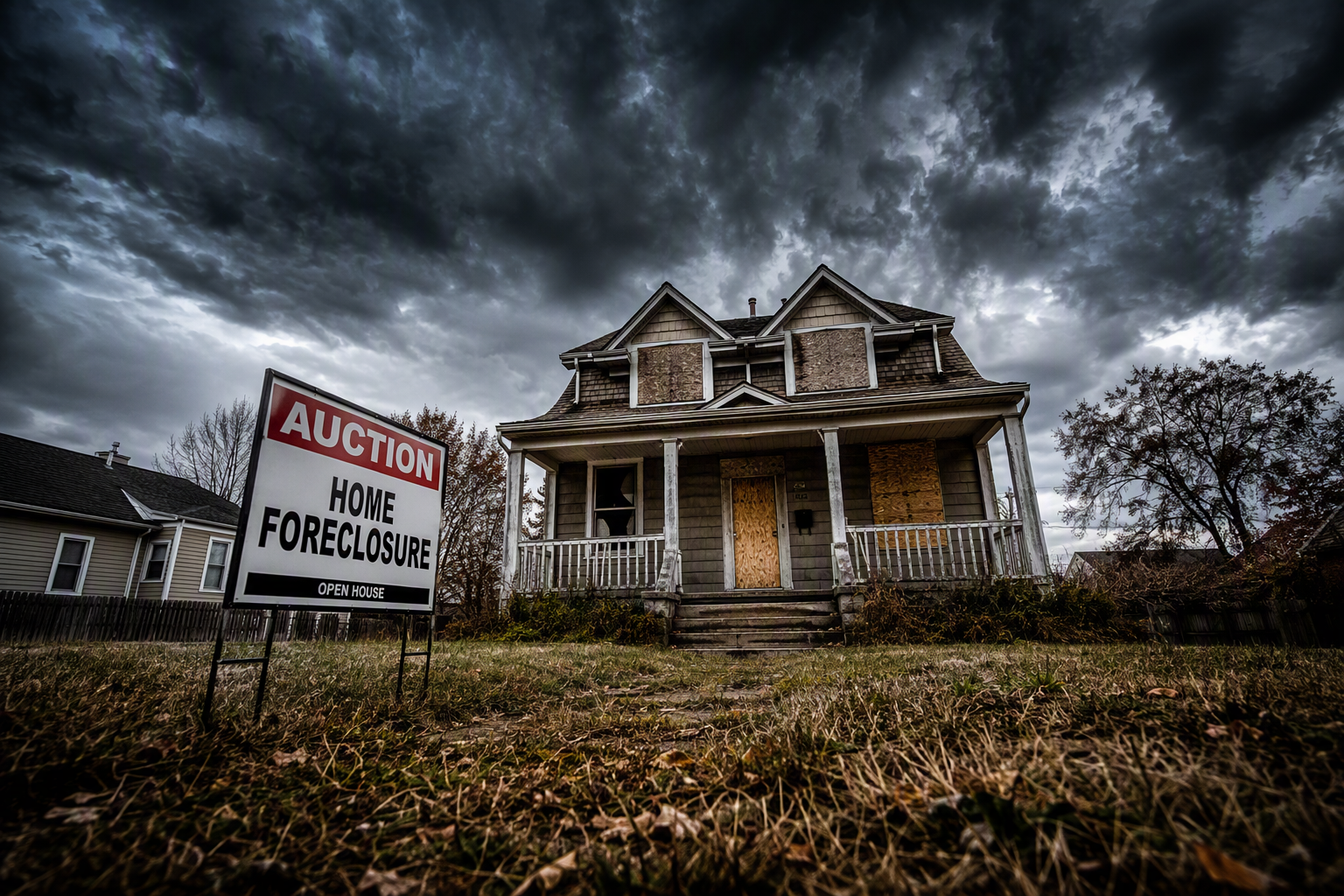
Key Highlights
Many Pennsylvania foreclosure problems start with missed payments and waiting too long to act.
Early action can improve your options during the foreclosure process and reduce costly foreclosure mistakes.
Reading every notice, deadline, and mortgage document helps you protect your home and your rights.
Clear lender communication matters when asking about a mortgage assistance program or payment relief.
Legal advice from a foreclosure defense attorney may help you respond faster and choose a better strategy.
Pennsylvania homeowners should also review state help programs before a foreclosure case moves further.
Introduction
Falling behind on a mortgage loan can feel overwhelming, especially when the foreclosure process starts moving faster than you expected. In Pennsylvania, many homeowners make small errors after missed payments that turn a hard situation into a worse one. The good news is that problems often begin before the case reaches court, which means you may still have time to act. If you understand the common traps early, you can make better decisions and protect your options.
Common Foreclosure Mistakes Pennsylvania Homeowners Make
Some of the biggest common mistakes happen right at the start. Homeowners often miss warning signs, fall behind on mortgage payments, or assume the problem will fix itself. That delay can push the foreclosure process forward and shrink the number of choices available.
Just as important, many people do not respond properly once a foreclosure action begins. If you want to prevent foreclosure on your home in Pennsylvania, acting early is the first step. The next sections explain where homeowners go wrong and how to avoid those errors.
Overlooking Early Warning Signs of Foreclosure
Foreclosure rarely starts out of nowhere. It often begins with missed payments caused by job loss, illness, divorce, or other financial hardship. When those problems keep you from making monthly payments, mortgage delinquency can build quickly.
Many homeowners wait until they receive a notice of default before taking the problem seriously. That is a mistake. The compiled guidance makes clear that acting before a formal notice arrives gives you a better chance of working things out and stopping the process early.
If you want to prevent foreclosure on your home in Pennsylvania, do not ignore the first signs of trouble. Contact the lender or servicer as soon as payments become difficult. Early action can open the door to a repayment plan, a forbearance agreement, or other mortgage assistance before the case becomes harder to manage.
Ignoring the Foreclosure Notice or Deadlines
Once foreclosure notices arrive, time matters. In a Pennsylvania foreclosure, ignoring a notice of intent or other court papers can move the matter closer to judgment and sale. You do not help yourself by waiting to see what happens next.
Right after receiving a notice, focus on immediate steps:
Read every page carefully and confirm all dates tied to the foreclosure action.
Gather your mortgage records, payment history, and any letters sent by the lender.
Speak with an attorney familiar with Pennsylvania foreclosure or a housing counselor quickly.
Taking these steps early can create extra time and improve your options. The compiled information also notes that foreclosure defense is usually most effective early on. If you live in the property and it is yours, a conciliation conference may also become part of the process, so missing deadlines can cost you valuable opportunities.
Misunderstanding Mortgage Obligations and Terms
A surprising number of homeowners struggle because they never fully understood their mortgage terms. If you do not know your interest rate, type of mortgage, or what changes your monthly mortgage payment, it becomes harder to spot risk early and choose the right solution later.
Preparation starts long before trouble begins. At closing, Pennsylvania homeowners should make sure they understand the mortgage loan they are signing, how long the debt lasts, and whether future payments could become harder to manage under their individual circumstances.
Knowing these basics can reduce future confusion and help you react faster if hardship hits.
Legal Missteps During Foreclosure Proceedings
Legal errors can be just as damaging as financial ones during foreclosure proceedings. Some homeowners assume they have no legal rights under Pennsylvania law, so they miss deadlines, fail to answer court papers, or never ask questions about the foreclosure case.
That approach can cost you time and leverage. A foreclosure defense attorney may help you understand available options, including defending the case, seeking extra time, or reviewing bankruptcy-related protections. The next sections cover three legal missteps that often hurt homeowners most.
Failing to Respond to Court Summons Promptly
When a court summons arrives, some homeowners freeze. Others set it aside because they feel embarrassed or assume the outcome is already decided. That reaction can damage your position fast.
A summons is not just another letter. It is part of the legal process, and your legal rights may depend on responding promptly. The compiled information explains that foreclosure defense often works best early. Waiting can reduce the chance to gain extra time, challenge the foreclosure action, or explore a solution before the sheriff sale stage.
So what should you do right away after receiving foreclosure papers? Read the summons carefully, organize your loan documents, and talk with a lawyer who handles foreclosure defense. If the property is your residence, you may also have access to a conciliation conference in Philadelphia. Quick action keeps more options open and helps you avoid giving up rights by silence.
Neglecting to Seek Legal Advice or Representation
Many people wait too long to get legal advice because they think hiring help will not change anything. In reality, the compiled information strongly suggests speaking with an experienced bankruptcy attorney or foreclosure attorney once you are served with notice.
A foreclosure defense attorney can review your facts under Pennsylvania law and help you choose a path that fits your goals. Do you want to keep the home, gain extra time, sell the property, or reduce pressure while sorting out other debts? Those answers matter.
Yes, hiring a lawyer can help stop foreclosure in Pennsylvania in the right situation. Depending on your circumstances, legal representation may support a defense to the foreclosure action, a motion to postpone sheriff sale, or a bankruptcy filing that immediately halts the process. The earlier you ask for help, the more useful that help may be.
Missing Important Legal Rights or Protections in Pennsylvania
Pennsylvania homeowners sometimes assume foreclosure is a straight line with no way to pause it. That is not always true. Several legal rights and tools may apply, but they are easy to miss if you never ask about them.
Under the compiled information, possible options include foreclosure defense, a conciliation conference in some cases, a motion to postpone sheriff sale, and bankruptcy relief. Filing bankruptcy can trigger an automatic stay that immediately stops mortgage foreclosure. Chapter 13 may give you up to five years to cure mortgage delinquency if you have enough income to resume regular payments and pay extra each month.
What legal options do Pennsylvania residents have to stop foreclosure? The answer depends on the facts, your finances, and your goals for the property. Still, knowing these protections under Pennsylvania law can help you act before the case reaches a point where fewer choices remain.
Mistakes in Communicating with Lenders
Communication problems with mortgage companies often make a bad situation worse. Some homeowners avoid calls, provide partial information, or fail to ask about a loan program that could help them catch up. Those mistakes can slow relief and allow the foreclosure action to keep moving.
On the other hand, early contact may open doors to mortgage assistance. Lenders and servicers may discuss repayment plans, forbearance, or loan modifications when they understand your situation. Here are the lender communication mistakes to avoid.
Avoiding Contact Instead of Negotiation
One of the most common negotiation mistakes is silence. Homeowners may ignore calls from the servicer because they feel stressed, ashamed, or unsure what to say. Yet avoiding contact often removes the chance to work out a practical solution.
The compiled information recommends calling the lender or mortgage servicer immediately if you miss a couple of payments because of an unforeseen event. Explain what happened and ask whether they can arrange time for you to catch up. You have little to lose by asking.
Honest negotiation works better when you clearly explain your financial situation. If you need help organizing that conversation, a housing counselor or counseling agency may also be useful. Reaching out early can lead to mortgage assistance such as a repayment plan, temporary relief, or review for a different option before the account gets deeper into default.
Providing Incomplete or Incorrect Financial Information
Even when homeowners contact the lender, they sometimes hurt their own case by submitting incomplete or incorrect information. If the servicer does not understand your financial situation, it becomes harder to evaluate solutions tied to missed payments or future affordability.
Accuracy matters when you are asking to reduce pressure and resume regular mortgage payments. Household income, expense changes, and the reason for default all shape what kind of relief may fit your case. Incomplete paperwork can cause delays, confusion, or rejection.
Keep these points in mind:
Provide clear information about household income and why payments were missed.
Make copies of every document you send to the mortgage company or servicer.
If you fax records, keep the transmission receipt showing the documents were sent.
The compiled information warns that mortgage companies sometimes lose paperwork. Good records protect you and support better communication.
Not Considering Loan Modification or Forbearance Options
Some homeowners assume they only have two choices: pay everything now or lose the house. That is not what the compiled information shows. In many cases, lenders may offer loan modifications or a forbearance agreement when hardship has changed your ability to pay.
A forbearance agreement can provide a temporary reduction or even a suspension of monthly payments for a period of time. Those missed mortgage payments usually must be made up later through higher future payments. For some families, that breathing room can help stabilize the situation.
Loan modifications are another option when regular payments are no longer affordable. A modification may create a different payment amount, a different interest rate, and a longer repayment period. If you want to prevent foreclosure on your home in Pennsylvania, asking about these options early can be a smart move.
Overlooking Pennsylvania Government Programs and Assistance
Yes, there are government-related resources that may help Pennsylvania homeowners avoid foreclosure, but many people miss them because they wait too long. Some do not realize the Pennsylvania Housing Finance Agency offers a mortgage assistance program tied to emergency mortgage assistance.
That oversight can be costly. Housing counseling agencies and state-backed options may help you catch up or keep paying during hardship. If you want to prevent foreclosure in Pennsylvania, reviewing these resources early may give you more room to act and plan.
Ignoring Resources from the Pennsylvania Housing Finance Agency
The Pennsylvania Housing Finance Agency can sometimes help homeowners who have become delinquent on their mortgages. Yet many people do not contact the agency until the problem is far advanced. That delay can reduce the value of available support.
The compiled information says your best bet is to contact the Pennsylvania Housing Finance Agency as soon as possible if you have missed mortgage payments or are experiencing hardship. Through the Homeowners’ Emergency Mortgage Assistance Program, some Pennsylvania residents may qualify for help bringing the mortgage current on a primary residence.
A housing counselor can also help you understand whether this emergency mortgage assistance program fits your circumstances. Depending on eligibility, assistance may help bring the loan up to date and may even support monthly mortgage payment help for up to 24 months from the date of default. Early contact matters here just as much as it does with your lender.
Missing Out on State and Federal Mortgage Relief Programs
Homeowners under stress sometimes focus only on catching up with the lender and forget to ask whether outside relief exists. That can be a major mistake. The compiled information points to several forms of financial assistance and structured help that may reduce pressure.
Available support depends on your individual circumstances, loan type, and whether you can resume payments going forward. Some options are designed to deal with mortgage debt directly, while others create time to recover or reorganize how arrears are paid.
Programs and support may include:
A mortgage assistance program through state resources such as HEMAP for eligible homeowners.
Repayment plans or forbearance options offered by the servicer after hardship is documented.
Legal services or attorney guidance when foreclosure proceedings are already underway.
Missing these relief paths can push you closer to sale even when help may still be available. Ask early, document everything, and review every option tied to your loan.
Conclusion
Navigating the foreclosure process can be overwhelming, and it's crucial to stay informed to avoid common pitfalls. Pennsylvania homeowners must be proactive about recognizing early warning signs and understanding their mortgage obligations. Seeking legal advice and maintaining open communication with lenders can make a significant difference in the outcome of your situation. Additionally, tapping into state and federal programs designed to assist struggling homeowners can provide much-needed relief. By being aware of these common mistakes and taking the right steps, you can work towards safeguarding your home and financial future. If you have questions or need personalized guidance, don't hesitate to reach out for assistance.
Frequently Asked Questions
How do “zombie” second mortgages affect foreclosure risks in Pennsylvania?
A second mortgage can increase foreclosure risk if old mortgage debt resurfaces after years of little contact. In Pennsylvania law matters, that extra debt can complicate the foreclosure process, especially when homeowners are already behind on the first loan. Reviewing all liens early helps avoid surprise pressure later.
What mistakes should I avoid when buying a foreclosure property in Pennsylvania?
Do not assume a foreclosure property is simple just because it appears at a foreclosure sale or sheriff’s sale. A pending foreclosure action may involve timing, title, or other issues. Before you move forward, get legal help so you understand what you are buying and what risks may follow.
How can hiring a lawyer help prevent foreclosure for Pennsylvania homeowners?
A foreclosure attorney or foreclosure defense attorney can offer legal advice on defenses, bankruptcy options, sheriff sale delays, and other foreclosure prevention strategies. Legal services may also help you respond to notices correctly, protect your rights, and choose a plan that fits your financial circumstances and goals.