Key Highlights
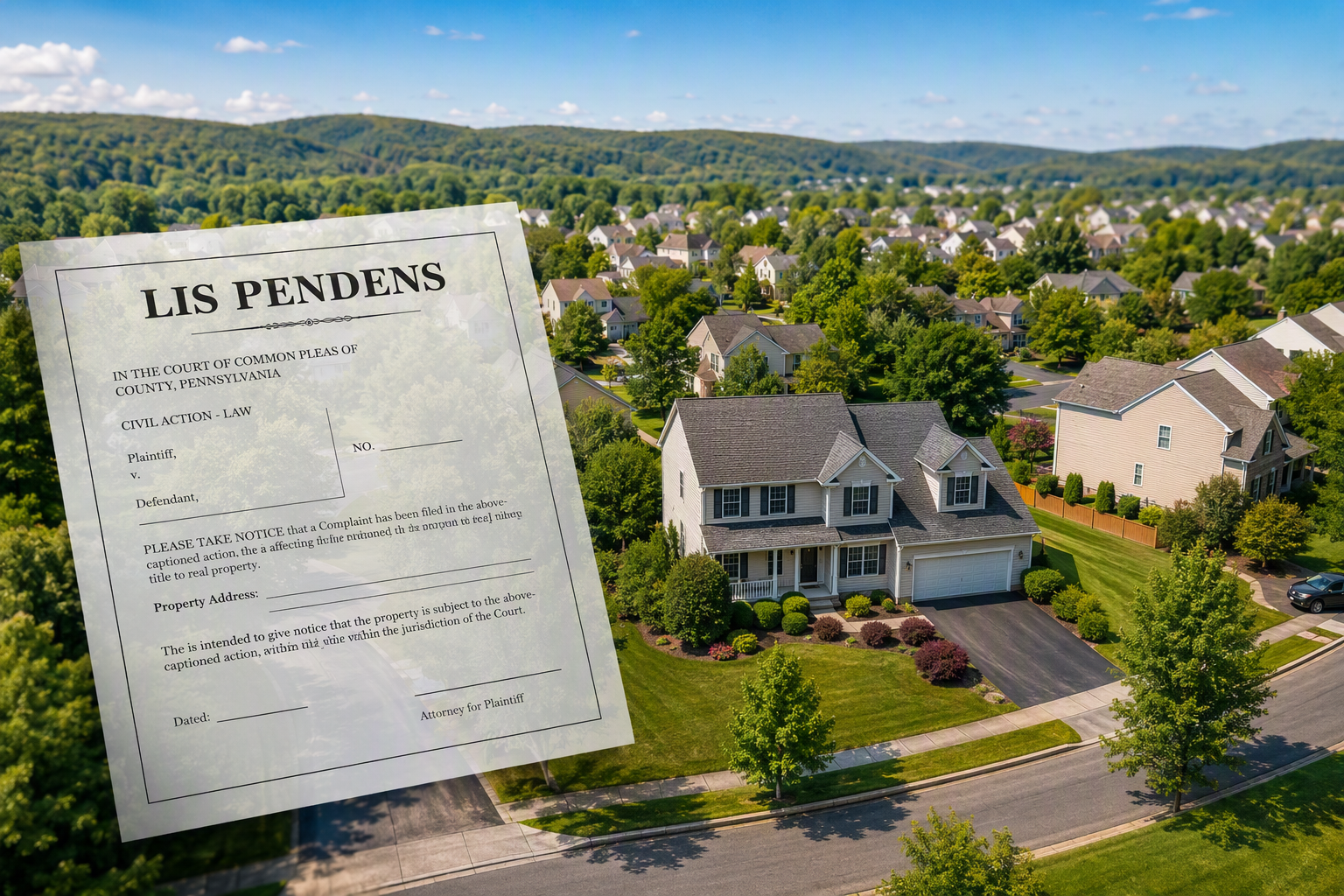
A lis pendens is a legal notice that tells others a pending lawsuit involves a piece of real estate.
In Pennsylvania, it gives constructive notice to any buyer, lender, or title company reviewing the property.
For a property owner, it can complicate a sale, refinancing, or other transfer of ownership.
A title search will usually reveal the filing in public records.
Common reasons include foreclosure, divorce cases, quiet title claims, and ownership disputes.
Removing it often depends on the outcome of the underlying lawsuit or a court order.
Introduction
If you own a home, a lis pendens can feel confusing and stressful. Under Pennsylvania law, this real estate term means a lawsuit is pending and may affect a property’s title or ownership rights. That matters whether you plan to sell, refinance, or simply protect your home. For homeowners, understanding how a lis pendens works is important because it acts as a public warning tied to the property. The sections below explain what it means and what steps you can take.
Understanding Lis Pendens in Pennsylvania
In Pennsylvania, a lis pendens is a legal notice connected to real property that is involved in pending legal action. The term means “lawsuit pending,” and it alerts the public that a real estate dispute may affect the property’s title or use.
For homeowners, that means the home is tied to a court case under Pennsylvania law. Once filed in public records, the notice warns buyers and others that the lawsuit’s outcome could change rights in the property. That basic rule helps explain why lis pendens can affect many real estate decisions.
Definition of Lis Pendens for Homeowners
A lis pendens is a legal notice filed against real property when a court case may affect that property. In simple terms, it tells the public that the home or land is part of a legal dispute. For homeowners in Pennsylvania, it means a lawsuit is active and could impact ownership, title, or related rights.
Just as important, a lis pendens works as constructive notice. That means people are treated as if they know about the dispute once the notice is properly recorded, even if they never actually read it. Buyers, lenders, and other interested parties cannot easily claim they were unaware.
For you as a homeowner, this legal notice does not automatically mean you lose your property. It does mean the property is under a cloud while the case moves through court. That is why any planned sale, transfer, or refinancing may become harder until the dispute is resolved.
Legal Purpose and Significance in Real Estate
The main purpose of a lis pendens is to warn the public that a pending lawsuit may affect a property. In real estate law, that matters because a buyer or lender needs to know whether legal action could change ownership or other rights tied to the home.
This notice of a pending legal action protects the court process by preventing a disputed property from appearing clean and marketable when it is not. If someone buys during the case, that person takes the property subject to the outcome of the lawsuit. That keeps the dispute tied to the land itself.
Its significance is practical. A title company, lender, or buyer may pause a transaction after finding the filing. Unlike a final ruling or court order, a lis pendens does not decide who wins. It simply announces that the court is being asked to decide an issue that affects the property.
Key Differences Between Lis Pendens and Liens
Many homeowners mix up a lis pendens and a property lien, but they are not the same. A lis pendens is notice of a lawsuit involving property rights. A lien is a claim against property, often tied to money owed. Both can create trouble, but they work differently.
One key point is that a lis pendens warns of real estate disputes, while a lien usually reflects an existing financial or legal claim. Either one can interfere with clear title. Still, a lis pendens focuses on notice of litigation, not on proving a debt or granting payment rights.
Why a Lis Pendens May Be Filed on a Property
A lis pendens filing usually happens when an underlying lawsuit involves ownership, title, or another right connected to a property. The goal is to place the public on notice that the home is part of a case moving through the court system.
For a property owner, this often arises during an ownership dispute, foreclosure matter, divorce-related conflict, or quiet title action. The filing does not appear at random. It is tied to legal claims that may change who controls the property or what rights attach to it.
Common Reasons for Lis Pendens in Pennsylvania
In Pennsylvania, a lis pendens is commonly filed when a pending lawsuit could affect a property’s title or ownership. It is most often seen in disputes where the court’s decision may change who owns the property, who may use it, or whether a transfer can go forward.
Several common reasons appear in real estate disputes. These include:
Foreclosure process cases, where a lender files notice that mortgage litigation is underway
Divorce cases involving a home that may be divided or transferred
Quiet title actions meant to resolve conflicting claims to ownership
Other ownership disputes over rights in the property
For homeowners, the key point is simple. A lis pendens is used when the property itself is part of the conflict, not just when two people have a disagreement. That is why the filing can become such a major issue during a sale, refinance, or title review.
Types of Lawsuits Involving Lis Pendens
Not every lawsuit justifies a lis pendens. In Pennsylvania real estate law, the notice is tied to underlying litigation that directly affects property rights or title. The property must be central to the legal claim, not simply connected in a minor way.
One common example is an ownership dispute, where two or more parties claim rights in the same property. Another is a quiet title case, which asks the court to clear up conflicting claims. Foreclosure matters also fit because the action directly concerns the property and the lender’s rights.
A lawsuit for specific performance can also lead to a lis pendens. In that kind of case, one party asks the court to force completion of a real estate deal. Because the court decision could affect who gets the property, public notice becomes important for everyone involved.
Who Can File a Lis Pendens Notice
A lis pendens notice is typically filed by a party involved in legal proceedings that affect a property. That can include a lender in a foreclosure case, a person asserting an ownership claim, or another party whose lawsuit directly concerns the property’s title or rights.
In some situations, a property owner may also be the one seeking the filing, especially in a dispute over ownership or transfer rights. A third party may become involved if that person has a legal claim tied to the property and is part of the court case.
Because filing rules matter, many people work through an experienced attorney. The case itself is handled through the court system, often in the Court of Common Pleas in Pennsylvania. If the claim does not truly affect the property, the filing may later be challenged as improper.
How Lis Pendens Affects Pennsylvania Homeowners
A lis pendens can create real problems for homeowners because it places a public cloud over the property’s ownership while a case is pending. That alone can slow decisions involving your home and raise concerns for lenders, buyers, and others reviewing the title.
In a property sale, potential buyers may hesitate or walk away after learning about the lawsuit. Title insurance companies may also raise objections. If you are facing this issue, a real estate attorney can help you understand how the filing affects timing, risk, and possible next steps.
Impact on Selling or Refinancing Your Home
Trying to sell a home with a lis pendens can be difficult because most buyers want clear title. If a title search reveals an active lawsuit affecting the property, the buyer may worry that ownership could change after closing. That uncertainty can delay or derail the property sale.
Even if you already have an agreement of sale, the issue may still surface before closing. A title company or buyer may ask for the dispute to be resolved first. Some buyers may back out rather than take on the risk of pending litigation tied to the home.
Refinancing can also become harder. A lender reviewing the title may be reluctant to move forward while legal claims remain unresolved. In many cases, speaking with a real estate attorney is the best step because the available options depend on the exact lawsuit and where it stands.
Effects on Property Value and Marketability
A lis pendens can hurt marketability because it signals unresolved legal trouble. Even if the home is attractive and well priced, prospective buyers may hesitate once they learn a lawsuit could affect ownership rights. That can reduce interest and limit the pool of willing buyers.
Property value may also be affected in a practical sense. If fewer people are willing to make offers, the seller may feel pressure to negotiate harder or wait longer. A title company may also refuse to move a transaction forward until the legal issue is resolved or clarified.
In some cases, a homeowner may believe the filing was improper. When a notice is wrongfully recorded, concerns about slander of title can arise. Still, the immediate problem remains the same: the property becomes more difficult to sell, finance, or transfer while the dispute stays active.
What Buyers Should Know When Purchasing Property
If you are thinking about buying a home, a lis pendens should never be ignored. It does not always make a purchase impossible, but it does mean legal action may affect the property’s title or ownership rights. You need a clear picture before moving ahead.
Start with the basics:
Order a title search to confirm whether a lis pendens appears in public records
Ask how the legal action could affect the property’s title after closing
Review whether title insurance will be issued without exceptions tied to the dispute
Talk with a lawyer if the case involves ownership rights or transfer issues
A lis pendens can stop a purchase in a practical sense because lenders, title companies, and cautious buyers often pause the deal. Before signing or closing, make sure you understand the case, the possible outcome, and the risk of buying into someone else’s dispute.
Discovering and Addressing a Lis Pendens on Your Property
You may not know a lis pendens exists until a sale, refinance, or title search brings it to light. Because the notice is filed in public records, it can usually be found by checking the county records where the property is located.
Once discovered, the next step is figuring out what legal action caused it and whether it was properly filed. A title company can flag the issue, but understanding your options often requires legal review. The following sections explain how to check and what to do next.
How to Check if Your Home Has a Lis Pendens
If you want to know whether your home has a lis pendens, begin with the county’s records where the property is located. In Pennsylvania, the filing is a public notice, so it is generally available through public records. You may be able to search online or visit the office in person.
As a property owner, you can look for filings connected to your name, address, or property’s title. A title search is often the fastest way to confirm whether a notice exists and how it appears in the record.
Here are practical ways to check:
Search the county’s records using your name or property address
Ask a title company to run a title search
Review any filing receipt or notice you may have received
Confirm whether the record references a pending lawsuit involving the property
Steps to Take if You Find a Lis Pendens Notice
Finding a lis pendens on your home can be alarming, but do not ignore it. The notice means legal proceedings may affect your property, so your first move should be to learn what case triggered the filing and how it applies to your specific situation.
Next, get legal advice. A real estate attorney can explain whether the filing appears valid, what stage the lawsuit has reached, and how it may affect a sale, refinance, or ownership claim. In foreclosure-related matters, some homeowners also speak with debt relief lawyers about broader options.
Take these steps as soon as possible:
Obtain a copy of the filed notice and the related lawsuit information
Review the claim with a real estate attorney
Ask whether the filing was proper under the facts
Track deadlines, hearings, and other legal proceedings tied to the case
Legal Process for Removing or Challenging a Lis Pendens
Removing lis pendens usually depends on the legal process behind the filing. In many cases, the notice remains until the underlying lawsuit is resolved. If the case is settled, dismissed, or decided, the party who filed the notice may request a release so the record can be cleared.
If the filing was wrongful or no longer applies, a challenge may be possible. Pennsylvania property owners may seek relief through the court system by asking for removing lis pendens from the public record. One method mentioned in practice is a motion to expunge the notice.
Because the outcome depends on the exact facts, an experienced attorney is important. The court’s decision may result in a court order releasing or striking the filing. Timing varies widely, and the process can take months or longer if the underlying litigation continues.
Conclusion
In conclusion, understanding lis pendens in Pennsylvania is crucial for homeowners navigating the complexities of real estate transactions. This legal notice can significantly impact property values and marketability, making it essential to be well-informed about its implications. By knowing how to check for a lis pendens on your property and the steps to address it if found, you can better protect your interests. Always remember, being proactive in managing potential legal issues will save you time and stress in the long run. If you have any questions or need guidance in dealing with a lis pendens, don’t hesitate to reach out for professional assistance.
Frequently Asked Questions
How long does a lis pendens remain active on property in Pennsylvania?
Under Pennsylvania law, a lis pendens typically remains recorded for fifteen years. It may last longer if the pending lawsuit or underlying lawsuit continues and the notice is extended or renewed. In practice, it often stays in place until the court’s decision or other final resolution is reached.
Can a lis pendens prevent a home sale in Pennsylvania?
A lis pendens may not legally block every property sale, but it often makes selling much harder. Potential buyers may not want a home without clear title, and lenders or title companies may hesitate. A real estate attorney can explain whether the issue can be addressed before closing.
What is the difference between a lis pendens and a property lien?
A lis pendens is constructive notice that real estate disputes are pending in court and may affect the property. A property lien is an actual claim against the property, often tied to money or an obligation. Both can interfere with clear title, but they serve different legal functions.