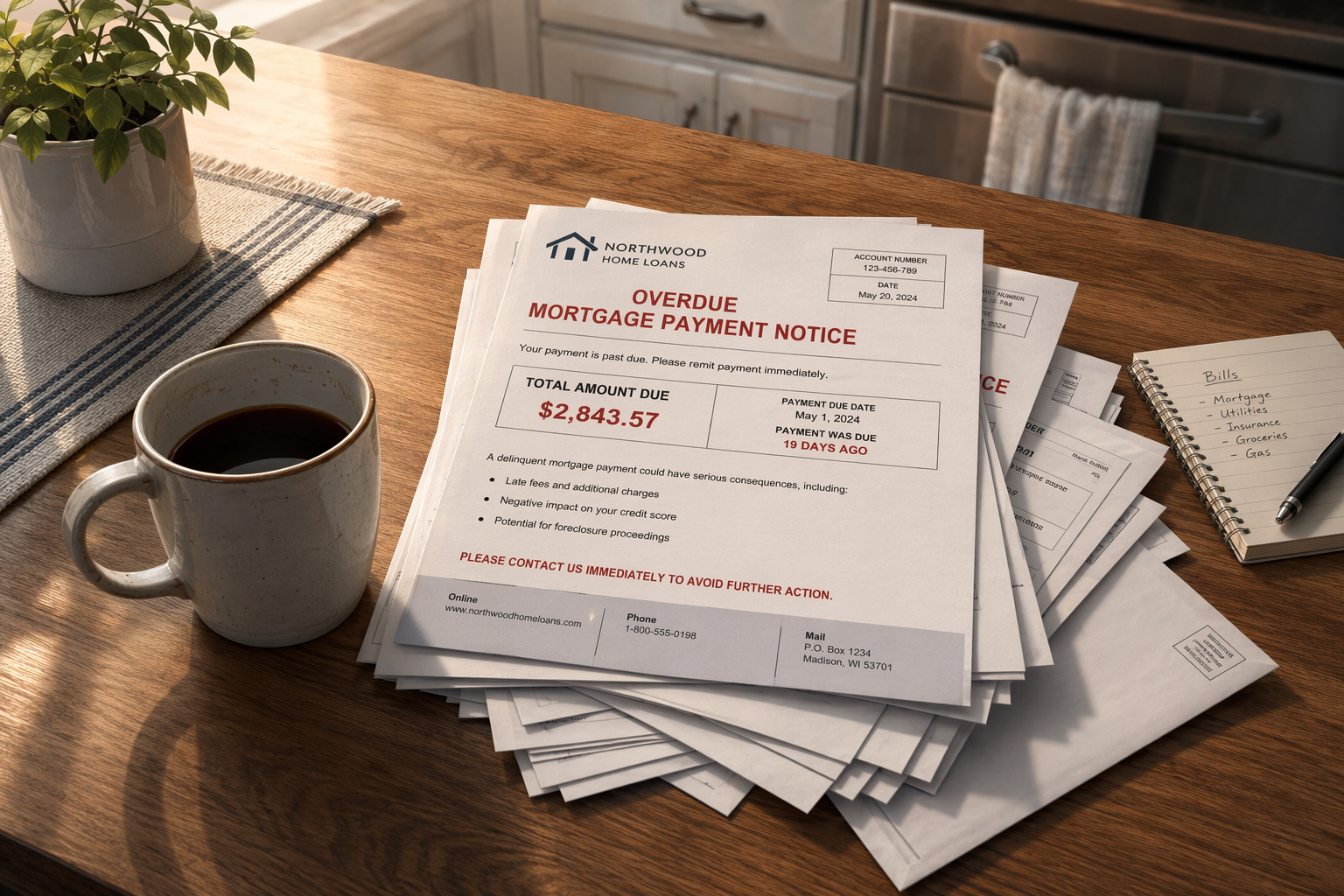
Key Highlights
A mortgage lender can reject a mortgage payment if you are far behind.
After several missed payments, your mortgage servicer may demand the full overdue amount.
Payment rejection often happens when borrowers send partial payments instead of the full monthly mortgage payment amount due.
If your payment is refused, get legal advice quickly to protect your home.
Fast action may help you avoid foreclosure action through negotiation or a loan modification.
Keep proof of every payment attempt and every conversation.
Introduction
Falling behind on your mortgage payment can feel overwhelming, especially when your mortgage lender will not take the money you are trying to send. That kind of payment rejection leaves many homeowners confused and worried about what comes next. Can the lender do that? In some cases, yes. The good news is that a refused payment does not always mean you are out of options. It usually means you need to act quickly, understand the reason, and respond the right way.
Can a Mortgage Company Refuse to Accept Payments If You're Behind?
Yes, a mortgage company can refuse a mortgage payment if you are behind. Based on the compiled information, once a borrower is three payments behind, the mortgage lender can require all missed payments to be paid in one lump sum.
That means if you are facing financial difficulties, sending only one installment may not be enough. If this happens, seek legal advice right away. A rejected payment does not always end your chances to save the loan, but it does mean you need to understand the lender’s position and your next move.
Legal Grounds for Payment Rejection by Mortgage Companies in the U.S.
In the situations described in the compiled information, a mortgage lender may decline payment attempts when the loan is already in default and the borrower does not submit the full amount needed to cure the delinquency. So yes, there are specific situations where mortgage companies refuse payments.
The material also references terms tied to the legal opinion of the OCC and the Office of the Comptroller of the Currency, which are connected with national banks and federal savings associations. Still, the usable point here is simple: the servicer may insist on the full arrears before accepting funds.
Common Reasons Your Lender Might Turn Down a Mortgage Payment
Even if you have the funds available, your lender may still refuse payment if the amount sent does not match the amount due. That is often the issue after default. The servicer may want all missed installments, not just one monthly mortgage payment.
Here are common reasons for payment rejection:
You sent partial payments instead of the full overdue balance.
The payment did not include late fees or other charges.
Your loan was in default, and the lender required all missed amounts at once.
Your mortgage was transferred, and you paid the wrong servicer.
You need to discuss a loan modification instead of sending a smaller payment.
In short, having money in your bank account is not always enough. What matters is whether you paid the exact amount due under the loan status. Next, it helps to know what to do right after a refusal.
What to Do If Your Mortgage Payment Is Rejected
If your mortgage payment is rejected, take immediate action. Start by contacting the mortgage servicer and asking why the payment was refused. You need a clear answer before the problem grows into missed deadlines or legal papers.
Then verify whether you tried to pay the amount due in full. If not, ask what total is needed to bring the loan current. A declined payment can sometimes be fixed quickly, but if the servicer keeps refusing valid funds, you may need to consider legal action and other loss-mitigation options.
Steps to Take Immediately After a Payment Is Declined
When you get a declined payment notice, move fast. Review your recent mortgage statement and compare it to what you tried to send. This helps you spot whether the issue was the amount, timing, or the company receiving the payment.
Take these steps right away:
Contact the servicer and ask for the exact reason for the declined payment.
Request the total needed to cure the default, including any fees.
Keep records of all communications with dates, names, and details.
Save copies of your payment attempts and supporting documents.
Send important follow-up letters by certified mail.
If the issue does not get resolved, get legal advice. That is especially important if foreclosure notices have started or if the servicer will not explain what amount must be paid.
How to Communicate and Negotiate with Your Mortgage Servicer
Start every conversation with your mortgage servicer by asking direct questions. What amount is required today? Can the loan be reinstated? Is there a way to return the account to good standing? Clear questions often produce clearer answers.
If you cannot pay everything at once, ask about available options named in the compiled information. These may include a loan modification, mortgage forbearance, or a repayment plan. Each option is aimed at helping borrowers dealing with hardship or default.
Stay calm and organized during every call or letter. Confirm what was said, note any deadlines, and compare the requested amount with your monthly mortgage payment history. Good communication will not solve every dispute, but it can improve your chances of reaching a workable arrangement.
Conclusion
In conclusion, understanding the dynamics of mortgage payments can help you navigate challenging times with more confidence. If you find yourself behind on payments, it's crucial to know that mortgage companies have specific policies regarding payment acceptance and rejection. By recognizing the common reasons for payment refusals and knowing your legal rights, you can take proactive steps to communicate effectively with your lender. Remember, addressing these issues sooner rather than later can lead to better outcomes and the possibility of negotiating a solution that works for both parties. If you need personalized assistance, don’t hesitate to reach out for professional advice tailored to your situation.