Key Highlights
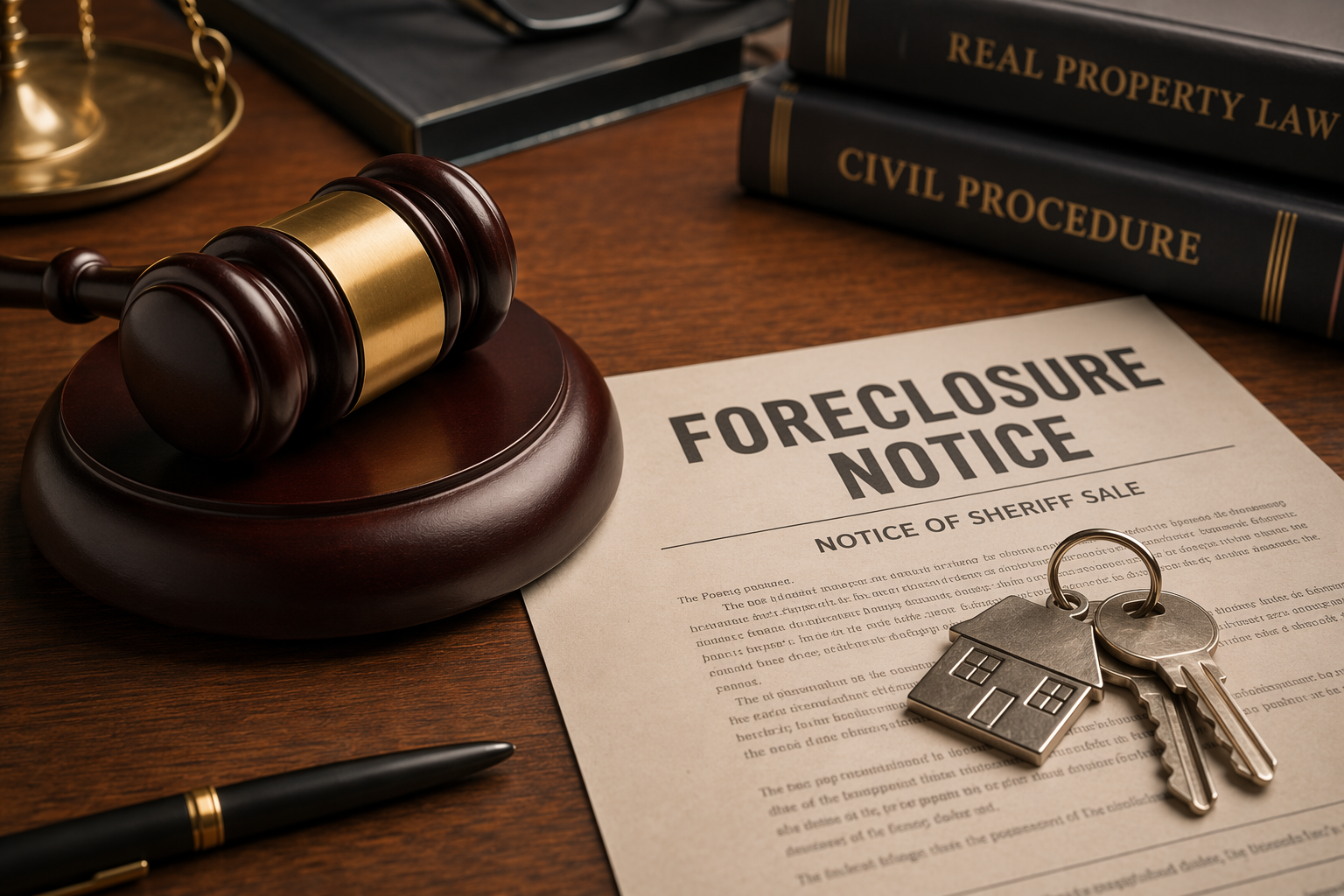
In Montgomery County, a sheriff sale is tied to foreclosure proceedings and scheduled through the sheriff’s office after court action.
The sheriff’s office website and auction platform list each sale date and auction date for upcoming real estate offerings.
Available materials do not give one fixed average waiting period in calendar days after judgment.
Buyers must review conditions of sale, bring a certified check or wire transfer deposit, and complete due diligence.
The highest bidder becomes the winning bidder, but back taxes, liens, and title issues still matter.
Homeowners should track mortgage payments, right of redemption issues, and short sale options early.
Introduction
If you are trying to understand how long it takes to schedule a sheriff sale in Montgomery County, you are not alone. This part of the real estate process can feel confusing, especially when foreclosure deadlines and court steps are involved. The good news is that Montgomery County publishes sale information and auction dates through official channels. In this guide, you will see what a sheriff sale is, how the timeline works, and what can affect when a property finally reaches sale.
Understanding Sheriff Sales in Montgomery County, Pennsylvania
Sheriff sales in Montgomery County are public property sales that happen as part of foreclosure proceedings. They do not start casually. The process moves forward because of a court order connected to a case handled through the court of common pleas.
From there, the sheriff’s office and its real estate sale system publish the details for upcoming property sales. That means scheduling is tied to legal steps first, then to the county’s auction calendar. To see how that works in practice, it helps to start with the basics.
What Is a Sheriff Sale and Why Does It Happen?
A sheriff’s sale is a public auction of real estate that takes place after legal action moves a property toward forced sale. In the Montgomery County materials, these sales are connected to foreclosure matters and handled through the sheriff’s office auction process.
Put simply, the sale happens because a court order allows the property to be sold. The county then places the property on a scheduled sale date and publishes it for bidders. While people sometimes compare these events to tax sales, the available information here focuses on foreclosure-related auctions.
At the close of the auction, the highest bid wins. The winning bidder is then notified and given settlement instructions. Even so, buyers are warned that a sheriff’s sale is complex, properties are sold as is, and research into title and other issues is essential before bidding.
The Legal Foundation for Sheriff Sales in Pennsylvania
The legal base for sheriff sales comes from court action. In practical terms, the case moves through the court of common pleas, and the sale is not scheduled until the legal requirements behind the foreclosure are in place. That is why timing depends on more than one office.
For homeowners, this usually follows missed mortgage payments and the related foreclosure case. The outline of the process shows that the court step comes before the sheriff’s office sets the property on a public auction calendar. A default judgment may be part of that path, but the county materials mainly emphasize the court-driven nature of the sale.
Public notice also matters in Pennsylvania sheriff sales. The compiled information notes that sale listings may be published through official websites and, in related sheriff sale guidance, through local newspapers. Questions about right of redemption or other rights should be reviewed carefully with the county’s terms and legal advice.
The Foreclosure Timeline Leading Up to a Sheriff Sale
Before a sheriff’s sale appears on the calendar, several foreclosure proceedings steps come first. A homeowner usually moves from mortgage payments trouble into court action, and only after the required legal process does the sheriff’s office prepare the file for auction.
That means the sale date is not immediate. The real estate division or sale system must receive the case, follow the court order, and place the property into the lineup of upcoming property sales. The next sections break down what that stage often looks like.
From Foreclosure Judgment to Notice of Sale
After a foreclosure judgment, the process does not end with the court file. The next step is getting the matter into the sheriff’s office system so a sheriff sale can be scheduled. In Montgomery County, published auction dates show that sales are organized around specific calendar dates rather than on demand.
Once the case is ready, the property is listed with a sale date and auction date through the county’s sale platform. The available Montgomery County listing shows public sale dates such as July 29, August 26, September 30, and October 28, 2026. That tells you the county works from set auction windows.
For a homeowner, the practical takeaway is simple. The court of common pleas phase leads into the sale scheduling phase, and notice follows the county’s process for public real estate sales. If you are tracking a case, the official listing and the sheriff’s office are the places to watch.
Key Steps Every Homeowner Should Expect
If your home is moving toward sheriff sale, expect a sequence rather than one sudden event. The sheriff’s office and real estate division handle public property sales on scheduled dates, so there is usually a gap between court action and the final auction.
During that period, you should pay close attention to notices, deadlines, and any official updates. The available materials do not give one set number of calendar days for every case, but they do show that sale events are tied to published auction dates and formal sale procedures.
Watch for official sale listings and status changes such as stayed or postponed.
Review whether missed mortgage payments have already placed the file into active foreclosure proceedings.
Track the sheriff’s office website or sale platform for updates to the scheduled date.
If you are a buyer, complete due diligence because property condition, liens, and title issues remain your responsibility.
Scheduling a Sheriff Sale: Timing and Procedure
Many people want one simple answer about timing. Based on the available Montgomery County materials, there is no single published number of days showing how long after judgment a sheriff sale must be scheduled. Instead, the sheriff’s office places cases onto a particular date within its real estate sales calendar.
What you can confirm is the procedure. The case reaches the sheriff sale stage after court action, then the auction date appears through the sheriff’s website or sale platform. So the timing depends on both legal readiness and the next open sale date.
Average Waiting Period between Foreclosure Judgment and Sheriff Sale
Here is the careful answer: the available Montgomery County information does not state a fixed average waiting period in calendar days between a foreclosure judgment and the sheriff sale date. So if you are looking for one standard number, the county materials provided here do not give it.
What they do show is that Montgomery County schedules sales on published auction dates. The 2026 listing includes July 29, August 26, September 30, and October 28. That pattern suggests cases are slotted into existing sale dates rather than given a unique date immediately after judgment.
How the Sale Date Is Officially Set in Montgomery County
In Montgomery County, the sale date is set through an official process tied to the sheriff’s office and the county’s auction system. A property does not reach the sheriff sales calendar until the underlying legal steps are far enough along to support public sale.
After the court order stage, the property is entered into the real estate division sale process and posted with an auction date. The sheriff’s office website directs users to county information, and the public listing shows the active sales, future dates, and status of each property.
That official posting is what matters most. If you want to know whether a property is really scheduled, do not rely on rumor or outside listings. Check the sheriff’s office website and the auction page to confirm the current sale date, status, and any terms of sale attached to the listing.
Factors That Can Affect the Sheriff Sale Schedule
Even when a case seems ready, sheriff sales can still face delays. The Montgomery County listing itself shows properties marked stayed or postponed, which is a clear sign that the original plan can change before the auction happens.
Some delays come from legal issues, while others come from scheduling or case-specific problems after the court order. A bankruptcy filing is one example named in the outline, and postponements are another practical issue to watch. Here are the most common timeline disruptors.
Common Causes for Delays in Scheduling
Several things can slow down scheduling. The county’s own listings show that some properties do not move straight to auction. Instead, they may appear as stayed or postponed, which means a planned sale date can shift or disappear.
Part of the reason is that sheriff sales do not run on each case’s own schedule. They are placed onto public auction dates after foreclosure proceedings and court steps are complete. If something interrupts that sequence, delays follow.
A bankruptcy filing can interrupt or pause the path to sale.
A change tied to the court order can push the property off the next available date.
Case status updates such as stayed or postponed can remove a property from active bidding.
Buyer concerns about title, tax sales issues, or back taxes do not usually stop scheduling, but they do affect due diligence and readiness to bid.
How Legal Actions or Postponements Impact the Timeline
Legal actions can change the timeline quickly. If a case is affected by a bankruptcy filing or another issue requiring review, the expected auction date may no longer hold. That is one reason published dates should always be treated as current, not permanent.
The role of the court of common pleas also matters here. Sheriff sales depend on the legal status of the case, so if the court side changes, the sale side often changes with it. A listed property may be marked postponed or stayed even after it first appeared online.
For you, that means timing is never final until the sale closes. A sale date may look firm, but postponements can move the auction date to a later cycle. If you need the latest information, follow the county listing closely and check again as the date approaches.
Sheriff Sale Schedules, Locations, and Calendar Access
If you want official calendar access for Montgomery County sheriff sales, start with the sheriff’s office website and the linked auction platform. The compiled materials show public real estate sales listed by sale date, including future dates such as July 29, August 26, September 30, and October 28, 2026. The listing also shows status updates, debt amounts, addresses, and whether a property is pending, stayed, or postponed.
That makes the online calendar the best first stop for both homeowners and bidders. It is also where you can see whether a sale is still active before the auction date arrives. In the next two sections, you will see where to find the schedule and what to know about online versus in-person formats.
Where to Find the Official Montgomery County Sheriff Sale Calendar
The official place to start is the Montgomery County sheriff’s office website. The compiled information points users there for additional county information, and the auction platform displays the calendar for sheriff sales with selectable dates.
Once you are on the listing page, you can review future sales by auction date. The available public schedule shows multiple upcoming sale dates in 2026, which gives you a working calendar for planning, research, and status checks. That is much better than relying on third-party posts.
If you need more detail, the real estate division sale materials on the auction page are useful too. Look for the property list, terms of sale, and any post-auction instructions. Together, those resources tell you what is scheduled, what changed, and what steps apply before you bid or monitor a case.
Frequency of In-Person and Online Sheriff Sales
The Montgomery County materials provided here focus on online sales through Bid4Assets. They show multiple auction dates across the year, including one date in July, one in August, one in September, and one in October 2026. That suggests sheriff sales happen regularly, often around monthly intervals.
Because the available county information here is centered on online sales, it does not give a separate Montgomery County rule for in-person sales or a different scheduling timeline for them. So based on this material alone, you should not assume a different clock unless the sheriff’s office website says so.
The safest approach is to treat the published auction date as the controlling schedule. Whether you are tracking online sales or checking if in-person procedures exist, the sheriff’s office website remains the source for current real estate sales timing, updates, and format details.
Conclusion
In summary, understanding the timeline and procedures associated with sheriff sales is crucial for homeowners facing foreclosure in Montgomery County. The intricacies of scheduling a sale can be daunting, with various factors influencing when and how it occurs. By being informed about the average waiting period, potential delays, and how to access the official sheriff sale calendar, you can navigate this challenging process with greater confidence. Remember, knowledge is power when it comes to safeguarding your home and making informed decisions. If you're looking for personalized guidance or have specific questions about your situation, don’t hesitate to reach out for assistance.
Frequently Asked Questions
Can a Homeowner Postpone or Delay a Sheriff Sale in Montgomery County?
Yes, postponements can happen, and the listings show that some properties are marked stayed or postponed. A bankruptcy filing may affect the sale date as well. For Montgomery County specifics, watch the sheriff’s office listing closely and review any right of redemption questions with qualified legal help.
How Can I Find Out If the Schedule Has Changed for a Sheriff Sale?
Check the sheriff’s office website and the county’s auction listing for the current auction date and property status. The online calendar is the fastest source for changes within calendar days of the sale. In some sheriff sales systems, local newspapers may also carry notice information, but the official online listing is key.
Are There Differences Between Online and In-Person Sheriff Sale Scheduling in Montgomery County?
The provided Montgomery County materials focus on online sales, so they do not give a separate scheduling rule for in-person sales. For now, rely on the published auction date and any format details from the sheriff’s office. If the county offers both, the official listing should explain the timing and process.