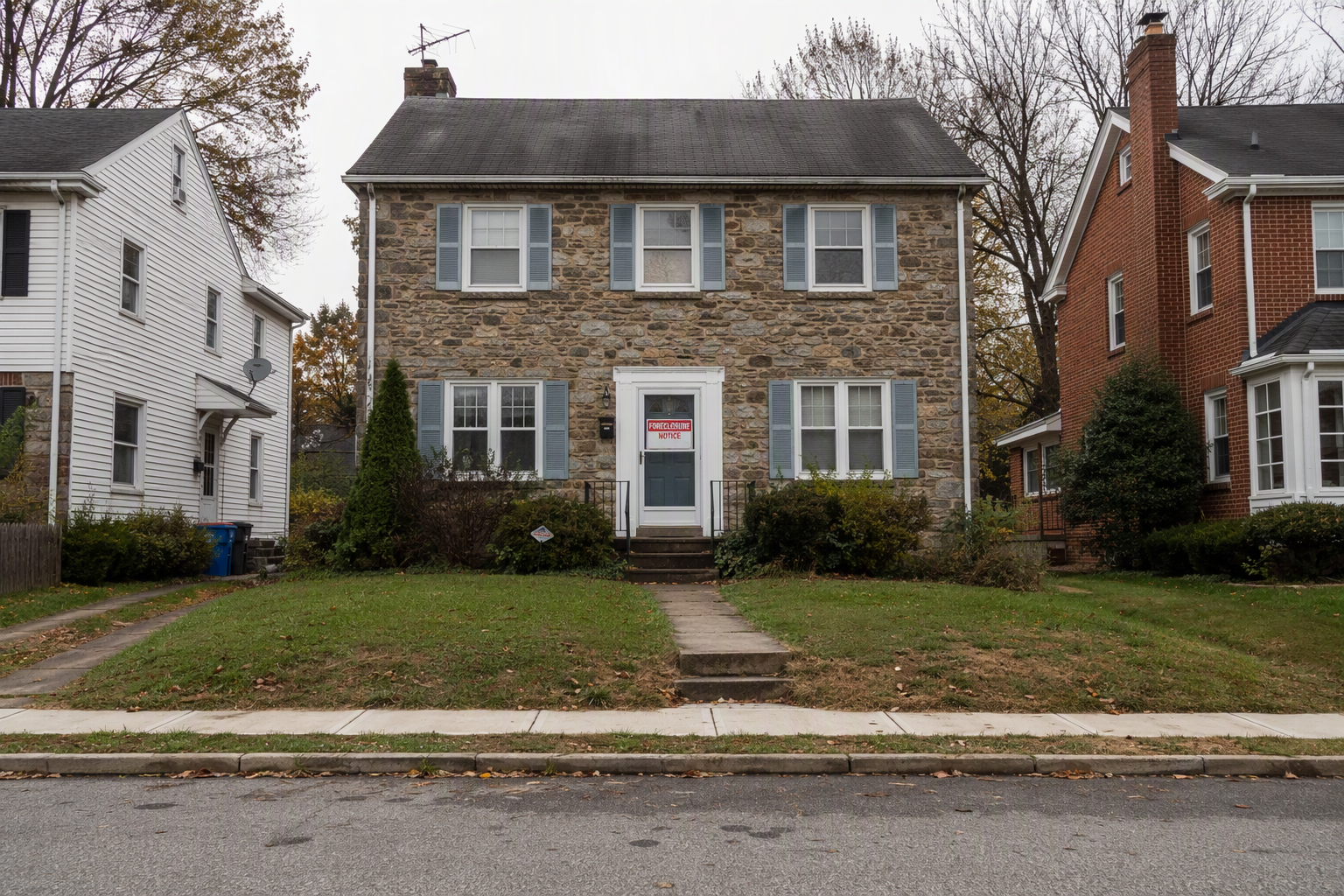
Key Highlights
Pennsylvania homeowners have several options after missed payments, including foreclosure prevention help, lender workouts, and mortgage assistance.
Early contact with your mortgage company can open the door to forbearance, a repayment plan, or a loan modification.
Act 91 notices and HEMAP give some borrowers a state-based path to cure mortgage default without filing bankruptcy.
HUD-approved housing counseling agencies can help you organize documents and talk with lenders.
Timing matters because waiting adds fees and raises the risk of foreclosure.
Introduction
Missing mortgage payments can feel overwhelming, especially when foreclosure proceedings start to look real. Still, Pennsylvania homeowners may have more time and more mortgage assistance options than they think. You may be able to work with your lender, apply for state help, or get support from housing counselors before losing your home. The key is acting early, understanding what notices mean, and choosing a path that fits your finances. This guide explains practical steps you can take now.
Understanding Mortgage Default in Pennsylvania
Mortgage default usually starts with missed payments, but it often reflects a bigger financial hardship. A job loss, medical bills, or a drop in current income can quickly turn a short delay into mortgage delinquency.
Once that happens, letters from your lender may lead to a foreclosure notice. That does not always mean you are out of options. In Pennsylvania, some homeowners can still seek repayment help, state assistance, or lender solutions before the property reaches a foreclosure sale. Knowing the early warning signs helps you respond before the pressure gets worse.
What Triggers a Mortgage Default for PA Homeowners
For many homeowners, mortgage default begins when one or more missed payments stack up and become too hard to cure in a lump sum. A temporary setback can quickly create mortgage arrears, and late fees can make the balance feel even heavier. What started as a short delay can shift into a serious problem fast.
In many cases, the trigger is a change in your financial situation. A job loss, illness, or another event outside your control can reduce the money available for housing. When monthly bills compete with food, utilities, and transportation, the mortgage often falls behind.
At that point, your mortgage company will usually begin collection efforts and send notices. Those notices matter. They are a signal to act, not hide. If you respond early, you may still be able to work out a plan, seek mortgage assistance, or apply for state support before foreclosure action moves further.
The Timeline of Default and Foreclosure Notices in PA
After you fall behind, your mortgage servicer will usually send collection letters and default notices. In Pennsylvania, many residential borrowers receive an Act 91 notice before foreclosure moves ahead. That notice is important because it tells you about possible state mortgage assistance and starts a short response window.
From there, the foreclosure process can continue through legal action, court steps, and eventually a sheriff’s sale if no solution is reached. A scheduled sale date does not appear overnight. There are stages, and each stage gives you a chance to respond, negotiate, or apply for help.
Still, you should not wait for the last minute. Every delay can increase fees, interest, and pressure from your lender. If you want to catch up on missed payments without bankruptcy, contact the mortgage servicer as soon as you receive a foreclosure notice and ask what options are still open.
Pennsylvania-Specific Laws Affecting Mortgage Default
Pennsylvania has a few rules and programs that matter when a homeowner falls behind. One of the biggest is the Act 91 notice requirement, which gives eligible borrowers notice of possible state help before certain foreclosure action continues. That process connects homeowners with the Pennsylvania Housing Finance Agency and approved counseling.
Another important point is HEMAP, the state emergency mortgage assistance program. It may provide a loan to bring a delinquent mortgage current when the hardship happened through circumstances beyond your control and you have a reasonable prospect of resuming full payments. A timely application can generally pause foreclosure activity while it is reviewed.
First Steps After Missing Mortgage Payments
The first step after missed payments is to face the numbers. You need a clear picture of your financial situation before you can choose the right fix. Guessing will not help when mortgage delinquency is already growing.
Next, contact your lender and gather every notice you have received. Early action can slow the stress and may help you avoid deeper foreclosure process problems. Pennsylvania homeowners often have better options when they act before deadlines pass. The following sections break down how to review your budget, speak with your lender, and explore short-term payment relief.
Assessing Your Financial Situation
Start by looking at your full financial situation, not just the mortgage. Write down your monthly income, any change in current income, and every major expense. If a job loss or medical issue caused the problem, be honest about whether it is temporary or likely to continue.
Then total the amount you are behind, including late fees if they have been added. Compare that number with what you can realistically pay now. If you can resume regular payments soon, a short-term solution may work. If your income has changed for the long term, you may need a more permanent adjustment.
This step matters because lenders and counseling agencies will ask for the same basic information. Having pay records, bills, and a simple household budget ready can make lender talks easier. It also helps you decide whether a repayment plan, forbearance, loan modification, or HEMAP fits your situation better.
Importance of Early Communication with Your Lender
Yes, it is often possible to negotiate directly with your lender after default, and it usually starts with your mortgage servicer. That is the company handling your loan account and monthly payments. Reaching out early shows that you want to solve the problem before it gets worse.
Many homeowners wait because they feel embarrassed or assume the answer will be no. That delay can be costly. Your mortgage company may be more willing to discuss options while the account is still in the earlier stages of default and before legal costs grow.
When you call, ask what loss mitigation options are available. Be ready to explain why you fell behind and whether the hardship is temporary. Clear communication can lead to forbearance, a repayment plan, or a review for changed mortgage terms. Even if the first answer feels limited, staying in touch can keep negotiations moving.
The Role of Forbearance and Repayment Plans in PA
Forbearance and a repayment plan are often the first tools discussed in lender negotiation. They are not the same. Forbearance usually pauses or reduces payments for a set time, while a repayment plan spreads past-due amounts over future months. Both can help if your setback is temporary and your income is improving.
These options work best when you know what payment amount you can handle. If the plan payments are too high, you may default again. That is why honest budget review matters before you agree to anything. Your lender will want to see that the proposed fix is realistic.
Common features may include:
A short pause or reduction through forbearance during a temporary hardship
Added plan payments on top of regular monthly mortgage bills
A set timeline for curing missed amounts
Ongoing review during lender negotiation if your income changes
If you need a lower long-term payment, a loan modification may be a better fit than a short repayment plan.
Reinstating Your Mortgage Without Filing Bankruptcy
Reinstatement means bringing the loan current by paying what is due so the default is cured. For Pennsylvania homeowners, this can be one of the clearest ways to stop foreclosure proceedings without filing bankruptcy, but it depends on timing and money.
You may use savings, family help, a state assistance loan, or a lender-approved workout to reach reinstatement. The important part is getting the exact amount due and understanding the deadline. The next sections explain your rights, the practical steps, and the key dates you cannot ignore.
The Legal Right to Reinstate in Pennsylvania
Pennsylvania homeowners may still have a chance to cure default after a foreclosure notice, but they should act quickly and confirm the exact requirements with the lender or legal help. In practical terms, reinstatement means paying the amount needed to bring the loan current and stop the immediate default problem.
The compiled information also shows that a homeowner’s options often remain open until a foreclosure sale actually happens. That timing point is critical because many borrowers assume the case is over much earlier than it really is. Even so, waiting only makes the amount due harder to manage.
If you want to pursue reinstatement without bankruptcy, ask for a written reinstatement quote right away. That quote should show missed installments, fees, and other charges. Once you know the full number, you can decide whether savings, family support, HEMAP, or another mortgage assistance path can get you there before the foreclosure process advances.
Navigating the Reinstatement Process
The reinstatement process starts with information. Contact your lender and ask for the exact payment amount needed to cure the default. You want a clear number that includes missed payments, mortgage arrears, late fees, and any foreclosure-related charges already added to the account.
After that, match the amount due with your available resources. Some homeowners can use savings. Others may rely on help from family or apply for HEMAP if the hardship fits the program rules. A lender may also accept a structured solution that leads to reinstatement over a short period.
To stay organized, focus on these steps:
Request a written reinstatement figure and the date it expires
Review the total against your budget and available funds
Confirm where and how the payment amount must be delivered
Once you have the numbers, move fast. Reinstatement is often possible, but only if you can meet the lender’s timeline.
Key Deadlines and What PA Law Says
Deadlines shape every foreclosure process. In Pennsylvania, the Act 91 notice is one of the biggest early warning points because it starts the clock for seeking state help. You have 33 days from the notice date to meet face to face with an approved counseling agency to begin a HEMAP application.
That deadline matters because a timely application can generally pause foreclosure activity while it is being processed. If you miss it, you may lose access to one of the strongest state-based options for avoiding a foreclosure sale without bankruptcy. Pennsylvania law gives you a path, but you still have to use it.
Keep these dates front and center:
The date on your Act 91 notice
The deadline to meet with an approved counselor
Any scheduled sale date or court deadline
If you are unsure how the dates apply to your case, get legal help immediately. A short delay can close off workable solutions.
Negotiating Directly With Your Mortgage Lender
Direct lender negotiation is often one of the most useful foreclosure prevention steps available. Your mortgage servicer may review short-term and long-term options if you show that the hardship is real and that you can support a revised payment.
That does not guarantee approval, but it can open important doors. For some Pennsylvania homeowners, a mortgage modification or repayment setup is enough to avoid a foreclosure sale. The next sections cover common workout options, ways to improve your chances, and the results you may see after negotiations.
Common Loan Modification Options for PA Homeowners
Yes, loan modification options can help some homeowners recover from mortgage default outside bankruptcy. A modification changes the mortgage terms to create a payment you can sustain over time. This is different from a short repayment plan, which usually keeps the original loan structure and simply adds past-due amounts to future bills.
A lender may consider modification when your hardship has eased enough that you can make payments, but not at the old level. The goal is a stable loan, not just a temporary pause. That can make a big difference if your income has changed for the long term.
Possible modification features include:
A lower interest rate
A longer repayment term
Different mortgage terms that reduce the monthly burden
A repayment plan tied to cured arrears before permanent changes
These reviews usually require income proof and a clear hardship explanation. If approved, the modification can become a strong path to keeping your home.
Tips for Successful Negotiation After a Default
Good lender negotiation is about preparation. Your mortgage servicer is more likely to take your request seriously if you explain the hardship clearly and provide updated financial documents. A vague request rarely moves far, especially once the mortgage company has already marked the loan as delinquent.
You also need to be realistic about what you can afford. Promising high monthly payments just to get a deal can backfire. If the arrangement fails, the account may fall deeper behind and collection efforts may restart quickly.
A few practical tips can help:
Gather proof of income, expenses, and the reason for default
Ask specifically about forbearance, modification, and repayment options
Keep notes of every call, date, and name
Follow up quickly if the mortgage company asks for documents
The stronger your file, the easier it is for the lender to review your request and offer a workable solution.
Potential Outcomes of Lender Negotiations in PA
Lender talks can end in several ways. In the best case, you receive a solution that keeps the home affordable and stops the path toward foreclosure sale. That might be a short-term repayment plan, a forbearance agreement, or a permanent loan modification.
Sometimes the outcome is more limited. A lender may offer plan payments that cure mortgage arrears over time, but only if you can also stay current going forward. That can work well when the hardship was temporary and your income has already improved. If the numbers do not fit your budget, accepting the offer may only delay trouble.
There is also the chance that the lender denies the request or asks for more documents. If that happens, do not stop. Pennsylvania homeowners may still look at HEMAP, HUD-approved counseling, or legal help. A denied negotiation is not always the end of your foreclosure prevention options.
Government and Nonprofit Assistance for PA Homeowners
Pennsylvania homeowners do have government and nonprofit resources that may help them avoid bankruptcy and slow foreclosure proceedings. The strongest state option in the compiled information is HEMAP, the emergency mortgage assistance program administered through the Pennsylvania Housing Finance Agency.
Nonprofit support matters too. Housing counseling agencies can help you understand notices, prepare an application, and communicate with your lender. These programs do not fit every case, but they can provide structure when you are behind and unsure what to do next. Here is how the main programs and counseling resources work.
Overview of State and Federal Foreclosure Prevention Programs
Several foreclosure prevention tools can help borrowers who are behind on their mortgage. In Pennsylvania, the most specific state-based option in the compiled information is HEMAP through the housing finance agency. On the federal side, borrowers may also work through HUD-approved counseling and lender loss mitigation programs.
These programs do different jobs. Some offer direct mortgage help. Others help you prepare documents, review your budget, and communicate with your mortgage company. The right path depends on whether your hardship is temporary, whether your income has returned, and how far the case has moved.
Key resources include:
HEMAP through the Pennsylvania Housing Finance Agency
Act 91 notice rights that point eligible borrowers toward state help
HUD-approved housing counseling agencies
Lender loss mitigation options such as forbearance and modification
Protections under federal law that shape how mortgage debt and foreclosure issues are handled
Used early, these tools can make the difference between catching up and falling further behind.
How the Pennsylvania HEMAP Program Works
HEMAP is Pennsylvania’s emergency mortgage assistance program, and it is administered by the Pennsylvania Housing Finance Agency. It can provide a loan to bring a delinquent mortgage current when the hardship happened through circumstances beyond the homeowner’s control. It is not a grant, so it must be repaid.
The program is designed for people who have a reasonable prospect of resuming full monthly payments. That means it is aimed at homeowners who hit a real setback but can get back on track. If that sounds like your situation, timing is crucial because Act 91 deadlines apply.
Important points to remember:
HEMAP is a loan used as mortgage assistance
You must meet eligibility rules tied to hardship and future payment ability
A timely application generally pauses foreclosure activity while it is reviewed
For many borrowers, HEMAP can be the bridge that restores the loan and helps avoid a foreclosure sale.
Resources Offered by HUD-Approved Housing Counselors
A HUD-approved agency can be a practical partner when you are behind on the mortgage. Counselors do not erase debt, but they can support foreclosure prevention by helping you understand your options and prepare a stronger request for relief. That can make a stressful process feel much more manageable.
These counselors often review your household budget, discuss hardship details, and help you organize paperwork for your lender or a state application. If you received an Act 91 notice, approved counseling is especially important because it connects directly to the HEMAP process in Pennsylvania.
Counselors may help with:
Mortgage assistance applications and document review
Credit counseling tied to your overall debt picture
Communication planning with your lender
For homeowners in default, this support can improve clarity, cut mistakes, and create a more realistic path toward keeping the home.
Working With Foreclosure Prevention Counseling in PA
Working with a foreclosure prevention counselor can bring order to a chaotic moment. A good counseling agency helps you understand notices, gather financial records, and see which mortgage assistance options are actually realistic for your case.
That support does not replace legal help when deadlines are close, but it can be a strong first move. Housing counseling agencies also play a direct role in certain Pennsylvania programs. The next sections explain how to choose a counselor, what support they provide, and what usually happens during a session.
Finding and Choosing a Qualified Foreclosure Counselor
Not every source of help is equal, so start with a qualified foreclosure counselor. A HUD-approved agency is a strong place to begin because the compiled information points to approved counseling as part of the Pennsylvania assistance process. That gives you a more reliable path than random online offers.
Look for a counseling agency that explains services clearly and focuses on real mortgage assistance options, not fast promises. You want someone who will review your budget, deadlines, and notices carefully. If the counselor cannot explain the next steps in plain language, keep looking.
When choosing help, focus on:
Whether the agency is HUD-approved
Whether the counselor understands Pennsylvania foreclosure notices
Whether the agency helps with HEMAP and lender paperwork
A qualified counselor should make the process clearer, not more confusing. If it feels rushed or vague, that is a warning sign.
How Counseling Services Support Homeowners in Default
Counseling services support homeowners by turning a stressful default into a step-by-step plan. When mortgage delinquency has been building for months, people often miss details simply because they feel overwhelmed. A counselor can slow things down and help you respond with a clearer head.
That support is especially useful when financial hardship affects more than the mortgage. If credit cards, medical bills, or other debt are part of the picture, credit counseling can help you see how the full budget connects to the home loan problem. The goal is not just to react, but to choose a workable path.
Counseling often includes:
Budget review and hardship assessment
Help understanding notices and deadlines
Support preparing lender or HEMAP paperwork
Foreclosure prevention planning based on your income
For many homeowners, that structure improves communication and reduces avoidable mistakes.
Typical Steps in a Counseling Session
A counseling session usually begins with a review of your financial situation. The counselor will want to know what caused the default, how much you are behind, and whether your income has recovered. Housing counseling agencies use that information to point you toward the most realistic form of mortgage assistance.
You should expect questions about your mortgage statements, current household income, major expenses, and any notices you have received. The session may also cover whether you qualify for Pennsylvania help or whether direct lender negotiation makes more sense.
Common steps in a counseling session include:
Reviewing income, expenses, and missed payments
Examining notices from the lender
Discussing hardship causes and whether they are temporary
Identifying possible mortgage assistance options
Creating a short action list with deadlines
A good session ends with clear next steps, not just general advice. You should leave knowing what to do first.
Common Pitfalls and Mistakes to Avoid
Many homeowners do not lose ground because they lack options. They lose ground because they wait too long, miss deadlines, or trust the wrong people. Once collection efforts intensify, small mistakes can quickly become major problems in the foreclosure process.
The good news is that most of these errors are avoidable. If you stay organized, read every notice, and use trusted help, you can protect your position. The next sections cover three common traps: poor communication, ignored deadlines, and foreclosure rescue scams.
Delaying Communication With Your Lender
One of the biggest mistakes is avoiding the mortgage company after missed payments begin. Silence does not protect you. It usually gives the lender less information and less reason to pause foreclosure action while the balance grows.
Early lender negotiation can create options that may disappear later. A mortgage company is more likely to discuss workable solutions when the account is not buried under months of added fees and legal costs. Waiting also makes your paperwork harder because old pay records and notices get lost.
Try to avoid these delays:
Ignoring calls and letters from the lender
Waiting for a court deadline before asking for help
Assuming no one will work with you after default
Even if you feel behind already, speaking up now is almost always better than staying quiet for another month.
Ignoring Official Notices or Deadlines
Official notices are not routine mail. A foreclosure notice may include rights, deadlines, and next steps that directly affect your ability to save the home. Under Pennsylvania law, the Act 91 notice is especially important because it can open the door to state mortgage help if you act on time.
Ignoring these papers can cost you options. Missing the counseling deadline tied to Act 91 may block access to HEMAP, and missing a court date can let legal action move ahead without your response. Even if the language feels formal, the practical message is simple: time is running.
Pay close attention to:
The date listed on any foreclosure notice
The deadline to meet with approved counseling
Any scheduled sale date or court event
Open every envelope, keep copies, and ask for legal help if you do not understand what a notice means.
Falling for Foreclosure Rescue Scams
When homeowners feel desperate, foreclosure rescue scams become more dangerous. These offers often promise guaranteed debt relief, instant loan fixes, or secret programs that will erase mortgage arrears. The compiled information points instead to real help through lenders, HEMAP, approved counseling, and legal help when needed.
A scam usually sounds easy because it avoids the hard facts of your financial situation. Real solutions require documents, deadlines, and a realistic payment plan. If someone promises to stop foreclosure without reviewing your income or notices, be careful.
Watch for warning signs such as:
Guarantees that they can save your home
Pressure to act immediately without review
Vague claims about special debt relief programs
Requests that steer you away from your lender or counselor
If an offer sounds too simple for a serious mortgage default, trust your instincts and walk away.
Conclusion
In conclusion, navigating mortgage default can be overwhelming, but Pennsylvania homeowners have various options to recover. Understanding the intricacies of your rights and the resources available to you is crucial for making informed decisions. From assessing your financial situation to negotiating with your lender, taking proactive steps can significantly enhance your chances of a successful resolution. Remember, you don't have to face this journey alone; assistance is available through government programs and nonprofit organizations. If you are seeking guidance on your specific situation, consider booking a free consultation with a housing counselor who can help you navigate your next steps with confidence.
Frequently Asked Questions
Can I stop foreclosure in Pennsylvania without bankruptcy?
Yes, in some cases. You may stop the foreclosure process through mortgage assistance such as HEMAP, a repayment agreement, forbearance, or a loan modification. These legal options depend on timing, your income, and lender approval. If deadlines are close, get legal help quickly rather than waiting for bankruptcy court.
Are there state programs to help if I’m behind on my mortgage?
Yes. Pennsylvania homeowners may qualify for the emergency mortgage assistance program, or HEMAP, through the Pennsylvania Housing Finance Agency. It may help cure mortgage delinquency if the hardship was beyond your control and you can resume payments. A HUD-approved agency can help you review eligibility and complete the process.
What rights do Pennsylvania homeowners have after receiving a foreclosure notice?
After a foreclosure notice, Pennsylvania law may give you access to Act 91 information, counseling, and possible HEMAP review. You may also still have time to cure the mortgage default before sale. Because deadlines matter, seek legal help fast so you understand each legal right available in your case.