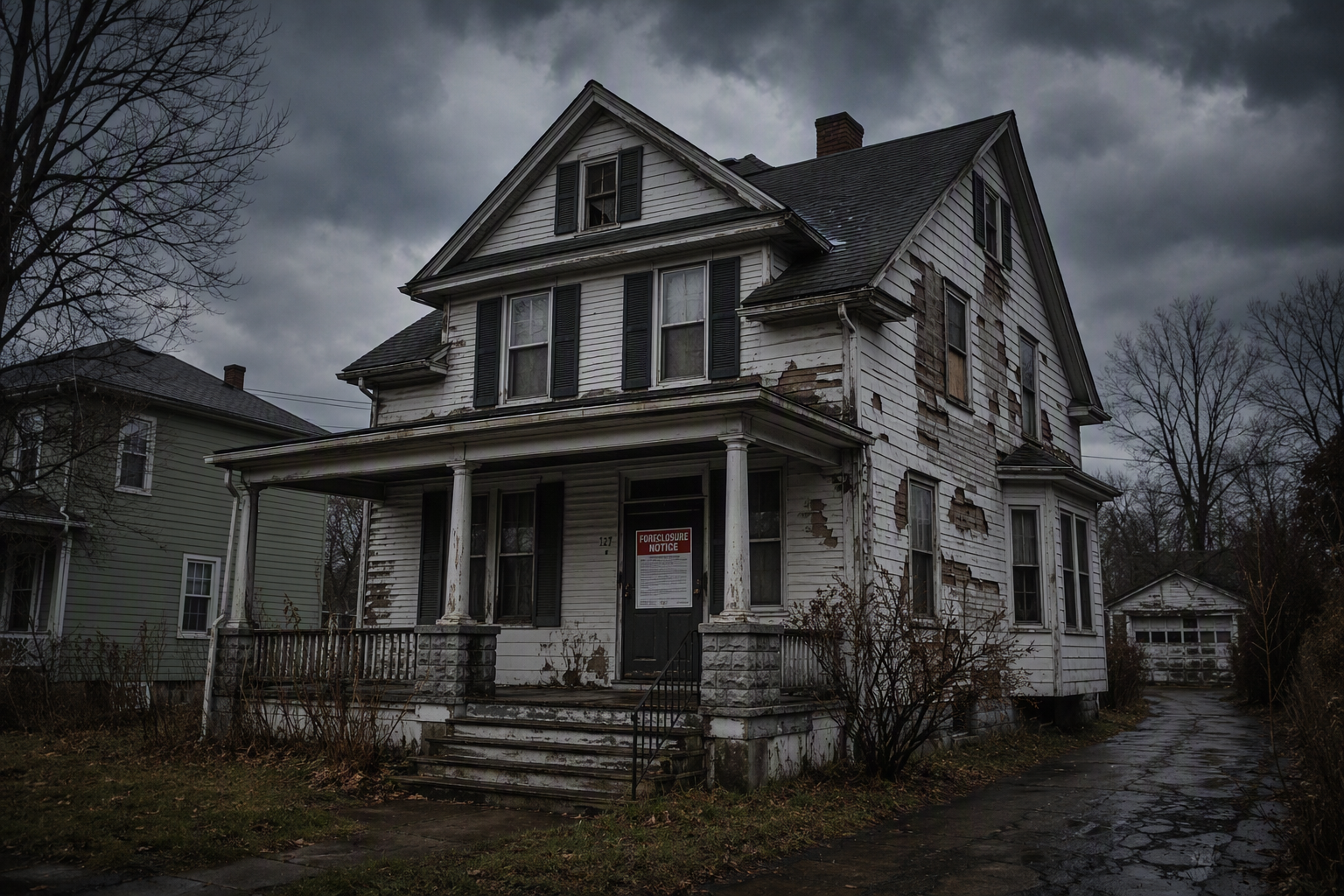
Key Highlights
Pennsylvania law uses a judicial foreclosure process, so foreclosure proceedings move through court.
Property damage can affect your financial situation and the real estate value tied to your mortgage loan.
You still have homeowner rights during mortgage foreclosure, though duties to maintain the home often remain.
A mortgage company may still review loss mitigation options like loan modification, repayment plans, or a short sale.
Emergency mortgage assistance and foreclosure defense may help before a foreclosure sale.
Fast action can protect your credit score, mortgage balance position, and overall financial health.
Introduction
Falling behind on mortgage payments is hard enough. When property damage is part of the problem, foreclosure proceedings can feel even more confusing. You may wonder whether a damaged home changes your options, your responsibilities, or what your lender can do next. Under Pennsylvania law, the answer depends on the stage of the case, your loan terms, and how quickly you respond. A clear understanding of the rules can help you protect your home, your money, and your next steps.
Overview of Foreclosure Laws in Pennsylvania
Pennsylvania uses a judicial foreclosure system. That means a mortgage foreclosure does not happen through private paperwork alone. The lender must file a case in court and follow the formal foreclosure process before a home can be sold.
For you, that matters. Pennsylvania law gives structure to foreclosure proceedings, including notices, a filed complaint, and court involvement before a sheriff sale can happen. Property damage does not erase the process, but it can shape how you approach your defense and workout options.
Key Steps in the PA Foreclosure Process
In Pennsylvania, the foreclosure process usually starts after missed payments. Because this is a judicial foreclosure state, your mortgage lender must use the court system. The case is commonly filed in the Court of Common Pleas, and the lender must rely on the mortgage documents and payment history.
Before a foreclosure complaint is filed, you may receive notices such as Act 6 and Act 91. Those notices give you time to cure the default or seek help. Pennsylvania has specific rules about the legal process, but property damage does not create a separate foreclosure track on its own.
Missed payments often trigger contact from the mortgage company.
Required notices may arrive before the lawsuit begins.
The lender files a foreclosure complaint in court.
If judgment is entered, a sheriff sale may be scheduled.
The full process addresses mortgage debt through judicial foreclosure.
If your property is damaged, the same court path still applies. The damage may affect value, repair needs, and settlement options, but the lender still must follow Pennsylvania foreclosure procedures.
Rights and Responsibilities of Homeowners
You do not lose all homeowner rights just because foreclosure proceedings begin. Until ownership changes, you still have important interests in the property. You can respond to court papers, apply for assistance, and discuss alternatives with your mortgage lender.
At the same time, Pennsylvania law does not treat property damage as a free pass. Your mortgage foreclosure rights still exist, but so do your loan duties. If the home suffers damage, that may affect insurance, repair decisions, or workout talks with the lender.
Think of it this way: damage can change the practical side of your case more than the legal foundation. You may need to update financial records, insurance information, and even estate planning documents if the property is part of a broader plan. Your rights remain, but your strategy may need to change.
Timeline for Foreclosure Proceedings
A Pennsylvania foreclosure does not usually happen overnight. The court system requires notice, filing, service, and time for responses. If you have mortgage arrears and property damage, acting early matters because delay can shrink your practical choices.
Property damage does not automatically block options to stop a foreclosure. You may still seek reinstatement, a workout, or other relief, depending on your loan balance, finances, and the condition of the home. The earlier you address missed mortgage payments, the better.
Even with serious damage, the foreclosure process continues on a timeline. The real question is how quickly you use the available tools.
Common Causes and Types of Property Damage During Foreclosure
Property damage during mortgage foreclosure can come from many directions. Sometimes it starts with a storm, a burst pipe, or another sudden event. In other cases, the damage grows because needed repairs are delayed while the homeowner struggles financially.
That distinction matters in real estate disputes and workout discussions. Pennsylvania law does not treat every damaged property the same way, and lenders often look closely at what happened, how severe it is, and whether the condition affects the home’s marketability. The next sections break those categories down.
Weather-Related and Accidental Damage
Weather and accidents can damage a home fast. Roof leaks, storm loss, fire, or water intrusion can reduce the value of the property and make a pending foreclosure more stressful. If you are already behind on a mortgage loan, this kind of property damage can make catching up feel harder.
Still, damage does not mean you have no options. You can contact the mortgage company, ask about mortgage assistance, and gather the paperwork that explains both your hardship and the property condition. A housing counselor may also help you organize information before you speak with the lender.
In practical terms, damage can affect your options by changing the numbers. The home may be harder to sell, the repair costs may strain your budget, and your lender may want more documents before reviewing relief requests. It may also affect your credit report later if the case ends badly, so quick action is important.
Neglect, Vandalism, and Intentional Damage
Not all damage is accidental. Some homes suffer from long-term neglect when owners cannot afford upkeep. Others are hit by vandalism. In the worst cases, there may be intentional damage, which can create bigger problems during foreclosure proceedings.
Lenders reviewing mortgage foreclosure alternatives often compare the condition of the home with the mortgage documents and the borrower’s explanations. If the damage suggests the property has become much less valuable, prevention strategies may still exist, but they may need a different approach.
Neglect may raise concerns about ongoing maintenance.
Vandalism can reduce value and delay a sale or review.
Intentional damage may hurt negotiations with the lender.
Repair history can matter when discussing next steps.
You may also need to revisit wider financial planning, including estate planning, if the property no longer fits your long-term goals. The damage does not end every option, but it can change which one makes the most sense.
Structural vs. Cosmetic Property Damage
Structural damage and cosmetic damage are not the same. Structural damage affects the safety or basic function of the home, such as major roof issues or serious water problems. Cosmetic damage is more surface-level, like worn flooring or chipped paint.
That difference can matter during the foreclosure process. A lender may view cosmetic damage as manageable, while structural damage may create bigger concerns about value, insurance, or repair costs. For Pennsylvania residents seeking help, that can shape how a lender evaluates the file.
Loss mitigation programs are usually focused on your finances, income, and ability to maintain future mortgage payments. Even so, severe structural damage may complicate eligibility in a practical sense because the home may be harder to keep, sell, or insure. A higher repair burden can also affect how realistic a workout is given your mortgage balance.
How Property Damage Impacts Your Foreclosure Options
Property damage does not automatically end your foreclosure options. In many cases, you can still pursue help during foreclosure proceedings, especially if you move quickly and keep the mortgage company informed. The key issue is often whether the solution still works financially.
A damaged home may affect mortgage payments, paperwork, property value, and timing. That can shape whether a loan modification, repayment plan, or sale alternative is practical. The next sections explain how common relief paths may be influenced when the home itself is part of the problem.
Influence on Mortgage Reinstatement and Loan Modification
Mortgage reinstatement is often the cleanest fix if you can pay the total past-due amount, including fees and costs. Property damage does not erase that option by itself. If you can bring the loan current, you may still stop the case before sale, depending on timing and your mortgage documents.
A loan modification is different. It changes terms of the mortgage loan to make future monthly payments more affordable. That may include an adjusted interest rate, a longer term, or rolling arrears into the balance. Damage to the property does not take away your rights to request review.
Still, severe damage can influence the lender’s practical decision-making. If repair costs are high or the property’s value has dropped sharply, the lender may look more closely at whether the modified loan is realistic. Your rights remain, but the numbers can make the review harder.
Effect on Short Sale and Deed in Lieu of Foreclosure
When keeping the home no longer works, a short sale or deed in lieu of foreclosure may come into the conversation. Property damage usually does not stop these options outright, but it can affect how attractive the property is in the real estate market and how much the lender expects to recover.
A damaged home may sell for less, which can complicate negotiations over mortgage debt. It can also affect whether the lender believes a sale can happen before the foreclosure sale date. In a deed in lieu situation, the lender may be less willing if the property condition creates added costs.
A short sale may still work if the lender approves the reduced payoff.
Damage can lower value and increase deficiency concerns.
A deed in lieu depends on lender agreement.
Severe condition issues may reduce lender interest in taking title.
So, property damage may limit options in a practical sense, but it does not automatically shut every door.
Impact on Repayment Plans and Forbearance Agreements
A repayment plan can help you catch up on mortgage arrears over time by adding extra amounts to your regular payments. A forbearance agreement gives temporary relief when your hardship is short-term. Both can still be available even if your house has significant damage.
What should you do after a foreclosure notice arrives? Start by contacting the lender or servicer right away. Then gather proof of your financial situation, insurance information, repair estimates if available, and any notice you received. Those documents can help explain why you fell behind and whether you can return the loan current.
Damage matters because it affects cash flow. If repairs make your mortgage balance harder to manage, a repayment plan may be too heavy. If the hardship is temporary, a forbearance agreement may buy time, but you need a clear plan for what happens when the pause ends.
Your Legal Rights When Your Property Is Damaged During Foreclosure
Many homeowners assume severe damage wipes out their protections. That is not how it works. During foreclosure proceedings, Pennsylvania law still governs notice requirements, court filing rules, and your ability to respond or seek help.
At the same time, legal rights and legal duties can exist side by side. Mortgage foreclosure does not instantly remove homeowner rights, but it also does not cancel the obligations found in your loan papers. That balance is central to any foreclosure defense involving a damaged home.
Pennsylvania Laws Governing Property Condition
Pennsylvania law requires lenders to follow the normal legal process for foreclosure. Because the state uses judicial foreclosure, the lender must proceed through court. If your home has property damage, that does not let the lender skip notice rules or other basic foreclosure steps.
There are specific Pennsylvania foreclosure rules, such as required notices before suit in many cases and court involvement before a sale. Based on the available information, the law does not create a separate damaged-property foreclosure system. Instead, property condition affects how the case is handled within the usual structure.
For foreclosure defense, that means your focus should be practical and procedural. Did the lender follow the rules? Are there available workout options? Has damage changed the value or timing in a way that matters? The legal process stays in place, but your strategy may need to account for the home’s condition.
Owner's Duty to Maintain the Home
Yes, you generally still have homeowner rights during a foreclosure action, even if the property is badly damaged. You can communicate with the lender, respond to the lawsuit, seek help, and explore alternatives. Ownership does not transfer just because the case was filed.
But rights come with duties. Until the home is sold or title changes, you typically remain responsible for the property. In real estate terms, that often means basic upkeep, insurance-related follow-up, and preventing avoidable harm where possible. The mortgage company may expect you to continue meeting those responsibilities.
So the answer is balanced. A badly damaged home does not strip away your rights, but it does not remove your role either. During mortgage foreclosure, you usually remain the owner, which means both legal protections and maintenance obligations stay with you unless and until ownership changes.
What Happens if the Lender or Bank Causes Damage
A common question is whether the bank must fix damage during mortgage foreclosure. In most cases, if you still have ownership of your home, repair responsibility remains with you, not the mortgage lender. Filing foreclosure proceedings alone does not usually transfer that burden.
The lender’s role changes only when legal control or ownership changes. If there is a court order, a completed sale, or some other transfer, responsibility may shift at that point. Until then, the bank usually is not the day-to-day caretaker of the property.
Foreclosure filing alone does not make the bank the owner.
Your ownership of your home usually continues until sale or transfer.
Without ownership or a court order, the lender usually does not handle routine repairs.
If the lender itself causes damage, that raises a separate issue.
The timing of title transfer matters.
If lender conduct causes harm, that is different from ordinary repair duties. The key question is who controlled the property when the damage happened.
Responsibilities for Repairing Property Damage in Foreclosure
Repair responsibility during foreclosure is often misunderstood. Many people think the mortgage company steps in once foreclosure proceedings begin. Usually, that is not the case. Until ownership changes, the borrower often remains responsible for the home’s condition.
That said, the answer can become more complicated when insurance, property access, or lender conduct is involved. Property damage can affect negotiations and timelines in mortgage foreclosure, but the basic question still starts with control of the property. Here is how that usually breaks down.
When the Homeowner Must Make Repairs
In most situations, the homeowner is responsible for fixing the home while foreclosure is pending. That remains true even if you are behind on mortgage payments. Until the property is sold or title changes, owner’s responsibilities usually stay in place.
Your mortgage documents matter here. Those papers often set out duties tied to maintenance, insurance, and protecting the property from further harm. If you already have mortgage arrears, repair costs can make the situation harder, but they do not usually shift the burden to the lender.
This is why planning matters. You may need to decide whether repairs support keeping the home, preparing it for sale, or managing wider family goals such as estate planning. The answer to who pays is usually simple: if you still own it, the repair burden is usually yours unless insurance or another agreement changes the picture.
Bank or Mortgage Servicer Responsibilities
A mortgage lender or mortgage servicer usually does not take over repair duties just because you are in foreclosure proceedings. Their main role is collecting the debt and moving through the legal process, not maintaining the real estate while you still own it.
That can be frustrating, especially if your financial situation is already tight. You may feel stuck between repair bills and delinquent payments. Still, based on the normal foreclosure timeline, the bank’s obligations are generally limited until ownership or control changes.
The lender usually does not repair the home while you still hold title.
The mortgage servicer may communicate about the loan, not maintenance.
Responsibility may change after sale or transfer.
Insurance proceeds can affect how repairs are handled.
Property condition can influence negotiations, even if it does not shift duty.
So, in most cases, the bank will not handle repairs during foreclosure in Pennsylvania simply because the case has started.
Navigating Insurance Claims During Foreclosure
Insurance claims can become a major part of a foreclosure case when property damage is serious. If the home is insured, claim proceeds may help with repairs or reduce the financial hit. That can matter a lot when you are trying to keep options open during mortgage foreclosure.
Pennsylvania law does not turn every insurance issue into a foreclosure defense, but the claim can affect the bigger picture. If repairs are funded, a lender may view the property as more stable. If no funds are available, the damage may weigh more heavily in review discussions.
As for eligibility for mortgage assistance or other loss mitigation, damage does not automatically disqualify you based on the available information. Still, the lender may look at whether the home can be maintained, whether the hardship is temporary, and whether the proposed solution makes sense after insurance is considered.
Special Considerations for Foreclosure Prevention Programs and Bankruptcy
When a home is damaged, standard foreclosure prevention tools may still be available. The real issue is whether they fit your finances and the condition of the property. Loss mitigation remains important, but a damaged home may require stronger documentation and quicker decisions.
Sometimes the problem is bigger than one missed payment. If repair costs, debt, and mortgage foreclosure are all hitting at once, bankruptcy or emergency mortgage assistance may also come into play. The sections below explain how property damage can affect those relief paths.
Does Home Damage Affect Eligibility for Loss Mitigation in PA?
Home damage can affect loss mitigation in Pennsylvania, but not always in a direct legal way. Most programs focus first on hardship, income, and whether you can afford a sustainable payment. That means mortgage assistance may still be available even if the property needs work.
From a practical standpoint, though, damage can complicate the file. If the home is hard to insure, difficult to sell, or costly to repair, the lender may question whether a mortgage modification or another solution will succeed. The issue is often feasibility rather than a flat rule under Pennsylvania law.
If you are applying through a program connected to a lender review or a housing finance agency resource, complete records matter. Show your hardship, current income, and any information about repairs or insurance. Damage may influence the decision, but it does not automatically end the review.
Filing for Bankruptcy When Dealing with Property Damage
Yes, bankruptcy can help in some cases if your home is damaged and foreclosure is pending. When you file, an automatic stay usually pauses collection activity, including foreclosure steps. That can give you breathing room while you assess the property, your debt, and your next move.
Chapter 13 may be useful if your financial situation supports a repayment structure over time. It can allow you to address arrears while keeping the home. Chapter 7 may only delay the process, but even that pause can matter when you are dealing with damage and uncertainty.
Bankruptcy is not a repair program, and it does not erase every mortgage balance problem. Still, it can be an important foreclosure defense tool when the home’s condition and your debt load together make normal workout options hard to manage.
Impact of Damage on Government Assistance Programs (e.g., HEMAP)
Pennsylvania homeowners may look to the Emergency Mortgage Assistance Program when hardship causes mortgage delinquency. HEMAP is administered by the Pennsylvania Housing Finance Agency and can help eligible borrowers catch up when the setback came from circumstances beyond their control.
Property damage does not appear to create an automatic bar based on the available information. The larger question is whether you still have a reasonable prospect of resuming regular mortgage payments and whether your paperwork supports the request. Your mortgage documents and notices matter here.
HEMAP is tied to notices such as Act 91.
Eligibility often depends on hardship and future payment ability.
Complete records can strengthen your application.
If damage caused or worsened the crisis, explain that clearly. The Pennsylvania Housing Finance Agency will still look closely at whether the assistance can realistically stabilize the loan.
Conclusion
In conclusion, understanding your rights during a foreclosure in Pennsylvania is crucial, especially when dealing with property damage. Foreclosure can be a complex process, and issues like neglect, vandalism, or weather-related damage can significantly impact your options. By being aware of the responsibilities of both homeowners and lenders, you can navigate through these challenges more effectively. Remember, maintaining clear communication with your bank and staying informed about your legal rights is essential. If you want to explore your options further and understand how to protect your rights during this difficult time, don’t hesitate to seek professional advice. Your home is worth fighting for, and you have the power to advocate for your interests throughout the foreclosure process.
Frequently Asked Questions
Can property damage stop foreclosure in Pennsylvania, or limit your options?
Property damage usually does not stop a mortgage foreclosure by itself. It can, however, limit your options in a practical way by reducing real estate value, increasing repair costs, and making missed mortgage payments harder to fix. A foreclosure defense, loan workout, or short sale may still be possible.
Who is responsible for fixing my home if it’s damaged during foreclosure in PA?
In most cases, you are responsible for repairs while you still own the property. The mortgage company usually does not take over that duty just because the foreclosure process started. Your homeowner rights remain, but so do your obligations under the mortgage loan, even if mortgage payments are behind.
Does property damage affect my rights as a homeowner in foreclosure?
Yes, it can affect strategy, but not usually the basic legal protections. Under Pennsylvania law, foreclosure proceedings still must follow normal rules. You may still pursue loss mitigation during mortgage foreclosure, though owner’s responsibilities for upkeep and damage control often remain with you until ownership changes.