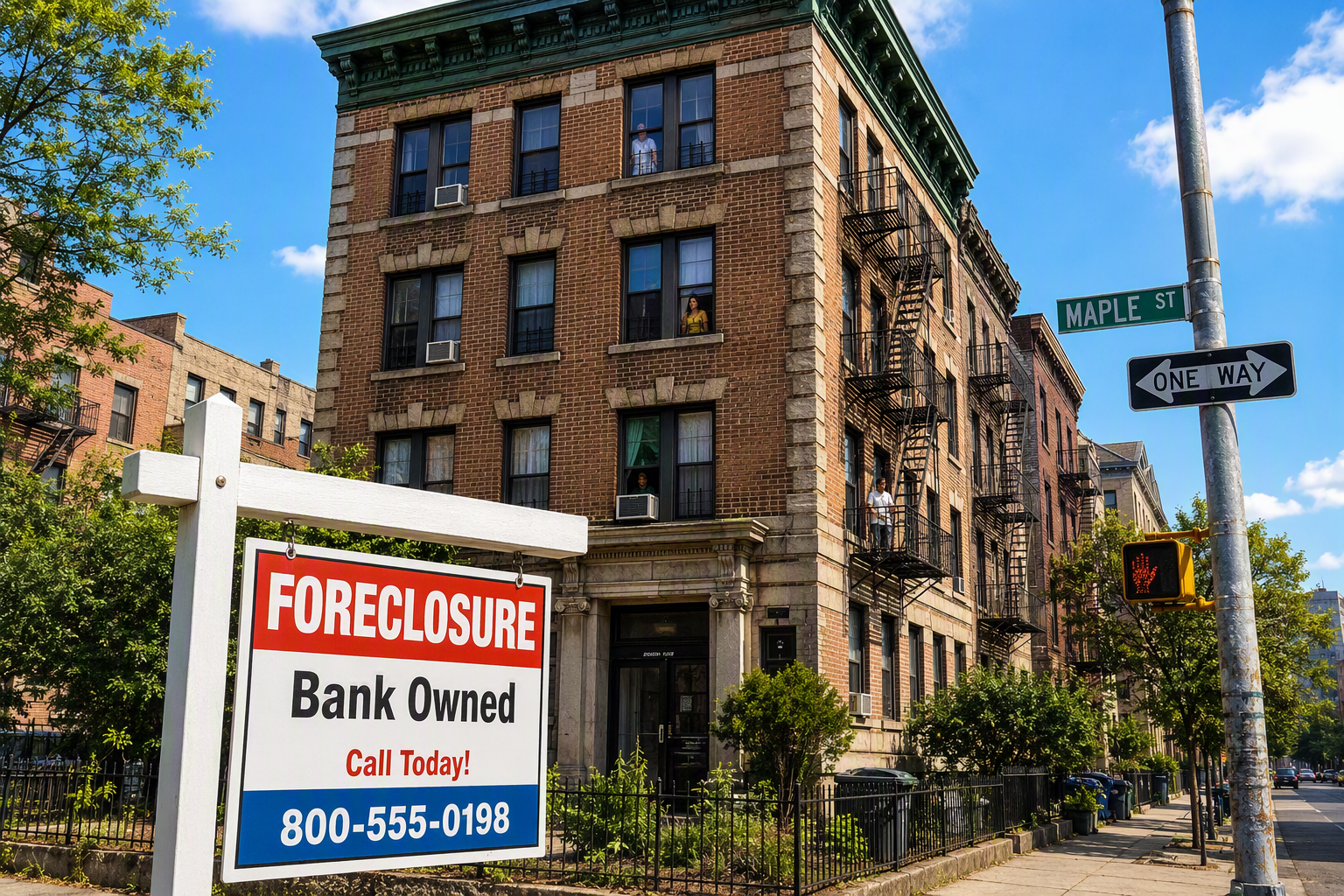
Key Highlights
In Pennsylvania foreclosure proceedings, many tenants in rental properties can remain until a lease agreement ends.
Under federal law and the foreclosure act, bona fide tenants receive important protections after a sheriff’s sale.
If the new owner wants the home as a primary residence, a 90-day notice period usually applies.
Month-to-month renters often receive 90 days before moving out.
These rules focus on protecting tenants, though local rent control issues may still affect later renewals.
Tenants should confirm who owns the property before sending rent.
Introduction
If you are a renter, a landlord’s mortgage foreclosure can feel unsettling. You may wonder whether your rental agreement still matters or if you need to leave right away. Under Pennsylvania law, tenants often have more protection than they expect during the foreclosure process. In many cases, the change mainly affects ownership, not your immediate housing. Still, knowing your rights, your lease status, and what steps follow a mortgage foreclosure can help you stay calm and make smart choices.
Tenant Rights During Foreclosure in Pennsylvania
Pennsylvania law gives renters meaningful protection when foreclosure proceedings affect their homes. If your landlord loses the property, you may still be allowed to stay, especially if you have a valid lease signed before the foreclosure process moved forward. The foreclosure act is aimed at protecting tenants from sudden displacement.
That matters because a new owner usually cannot force you out at once. If the buyer plans to use the property as a primary residence, a 90-day notice may apply. If you feel unsure, speaking with a housing counselor can help you understand your next move. The key protections are outlined below.
Key Protections Tenants Have Under the Law
The main legal shield for renters comes from the foreclosure act, often discussed through the Protecting Tenants at Foreclosure Act. It generally lets bona fide tenants remain in place for the rest of a valid lease. That can make a big difference when ownership changes suddenly.
To qualify, the renter must be a genuine tenant and not fall into excluded categories. The rules described in the compiled information point to these protections:
Bona fide tenants may stay through the lease term in many cases.
A 90-day notice period usually applies when the new owner wants possession.
If the buyer will use the home as a primary residence, that notice still matters.
Tenants paying far below fair market value may not qualify.
In practice, that means you should review your lease and rent amount carefully. The materials provided do not expand on rent control or good cause rules in detail, but they do show that valid tenant status matters greatly. Your lease type also shapes what happens next.
Differences Between Lease Types and Month-to-Month Arrangements
Not all lease types work the same after foreclosure. If you have fixed lease terms, you may be able to stay until that period ends, as long as you are a protected tenant under the available rules. A new owner usually steps into the picture after the sale, but that does not automatically cancel every rental agreement.
By contrast, month-to-month arrangements usually bring less long-term security. The compiled information says these renters typically get 90 days to vacate if the new owner does not want to continue the tenancy.
Foreclosure itself does not automatically change the amount due right away, but you do need to know who should receive payment.
What Happens to Your Lease After a Foreclosure
After a foreclosure sale, your lease agreement may still remain in effect. If you signed it before the foreclosure began and you qualify for protection, the change in ownership does not always end your right to stay in the foreclosed property. That is often the biggest concern for tenants.
In many situations, the immediate successor or new landlord takes over the property subject to those tenant protections. Whether you can remain depends on your lease status, your rent terms, and whether the buyer plans to live there. Next, let’s look at how existing leases are affected.
Impact of Foreclosure on Existing Lease Agreements
Existing lease agreements do not always disappear after foreclosure. The compiled information explains that tenants in Pennsylvania may stay in their rental units until their current leasing period ends if the lease was signed before foreclosure proceedings began. For many renters, that is the core protection.
The foreclosure act helps bona fide tenants keep that stability. If the new owner does not have grounds to remove residents after the sale, the tenant can usually continue living there through the agreed term. This is true for both apartment buildings and single-family homes described in the source material.
Still, a sale creates practical changes. A new owner may control future renewals once the current term ends. That means your present lease can survive, but the next one is not guaranteed. If you are unsure, gather your lease papers and any notices you have received. The next question is whether you can stay until the very end.
Can Tenants Stay Until the End of Their Lease?
Yes, many renters can stay for the remainder of their lease period. The compiled information says tenants in foreclosed rental properties are often allowed to remain until the lease ends, especially if they are bona fide tenants and signed the agreement before foreclosure proceedings started.
There is one major exception. If the new owner plans to use the home as a personal residence, the tenant may not stay through the full term. Even then, the buyer generally must give a 90-day notice to vacate. That rule helps prevent abrupt move-outs.
Month-to-month renters are in a different position because they usually do not have a long set term left to enforce. They still often receive 90 days if the buyer will not continue the tenancy. So, can tenants stay until the lease ends? In many cases, yes, but the buyer’s intended use matters. Rent and deposit issues come next.
Responsibilities for Rent Payments and Security Deposits
A foreclosure can create confusion about rent payments and security deposits, even when your right to stay continues. You may still owe regular payment amounts under your lease, but you need to know whether the previous owner or the new landlord has the legal right to collect them. Sending money to the wrong party can create problems.
Security deposits can raise separate concerns. The compiled information does not give a full transfer process, but it does highlight the role of the previous owner, outstanding payments, and fair market value issues in foreclosure-related disputes. Here is how to think about both topics.
Whom to Pay Rent After a Property Is Foreclosed
Rent payments do not necessarily stop because the building was foreclosed. If you are still living in the property under a valid lease, you should expect to keep paying rent. The key issue is identifying who has the right to receive it after ownership changes.
Once the sale is complete, the immediate successor or new owner is often the correct party, not the former landlord. Until that becomes clear, tenants should be careful and keep copies of any notices, letters, or payment instructions connected to the property transfer.
The compiled information also mentions a new payment schedule in the broader context of renegotiated mortgage obligations for owners, not tenant rent changes. So, foreclosure does not automatically mean your rent amount changes overnight. It mainly changes who controls the property. Deposit questions can be harder, especially if money was held by the former owner.
What Happens to Security Deposits During Foreclosure
Security deposits can become one of the most frustrating parts of a foreclosed property case. The compiled information does not spell out a full transfer rule, but it makes clear that ownership changes can leave tenants asking whether the previous owner still holds the deposit or whether the new owner took over that responsibility.
That uncertainty matters when you move out or when there are disputes over outstanding amounts. Start by gathering your lease, proof of payment, and any messages about the foreclosure or ownership transfer. Good records can make later discussions much easier.
If the deposit is not returned and the parties disagree, tenants often think about small claims court. The provided material includes that term but does not give procedural detail. What it does support is this: keep documentation, identify who now controls the property, and do not assume the issue disappeared just because the home was foreclosed.
Conclusion
In conclusion, navigating foreclosure situations as a tenant can be challenging, but understanding your rights and responsibilities is crucial. Knowing the protections afforded to you under the law can empower you during this uncertain time. Whether it’s understanding how your lease may be affected or discovering who to pay rent to after foreclosure, being informed can help mitigate stress. Remember, you have options and resources available to guide you through this process. If you have further questions or need assistance, reach out to local legal services specializing in tenant rights. Your peace of mind is important, and there is support out there to help you through.
Frequently Asked Questions
Are tenants required to move out immediately after a foreclosure in Pennsylvania?
No. Under Pennsylvania law, tenants usually do not have to leave immediately after foreclosure proceedings. If you have a valid lease agreement, you may stay until it ends. If the buyer wants the property as a primary residence, a 90-day notice period generally applies.
Can tenants negotiate with the new property owner after foreclosure?
Yes, negotiating with a new owner may be possible, especially if you want to renew a rental agreement after the current term ends. The compiled information suggests some bona fide tenants can renew if they meet normal screening standards. It does not provide detailed rent control rules.
Where can tenants find legal help if their rental home is facing foreclosure in Pennsylvania?
Tenants can start with a housing counselor if they need help understanding notices and next steps. The provided material also refers to Pennsylvania mortgage foreclosure defense lawyers. For broader support, tenants may also look to a local legal aid office, the Consumer Financial Protection Bureau, or a National Law Center resource.