Key Highlights
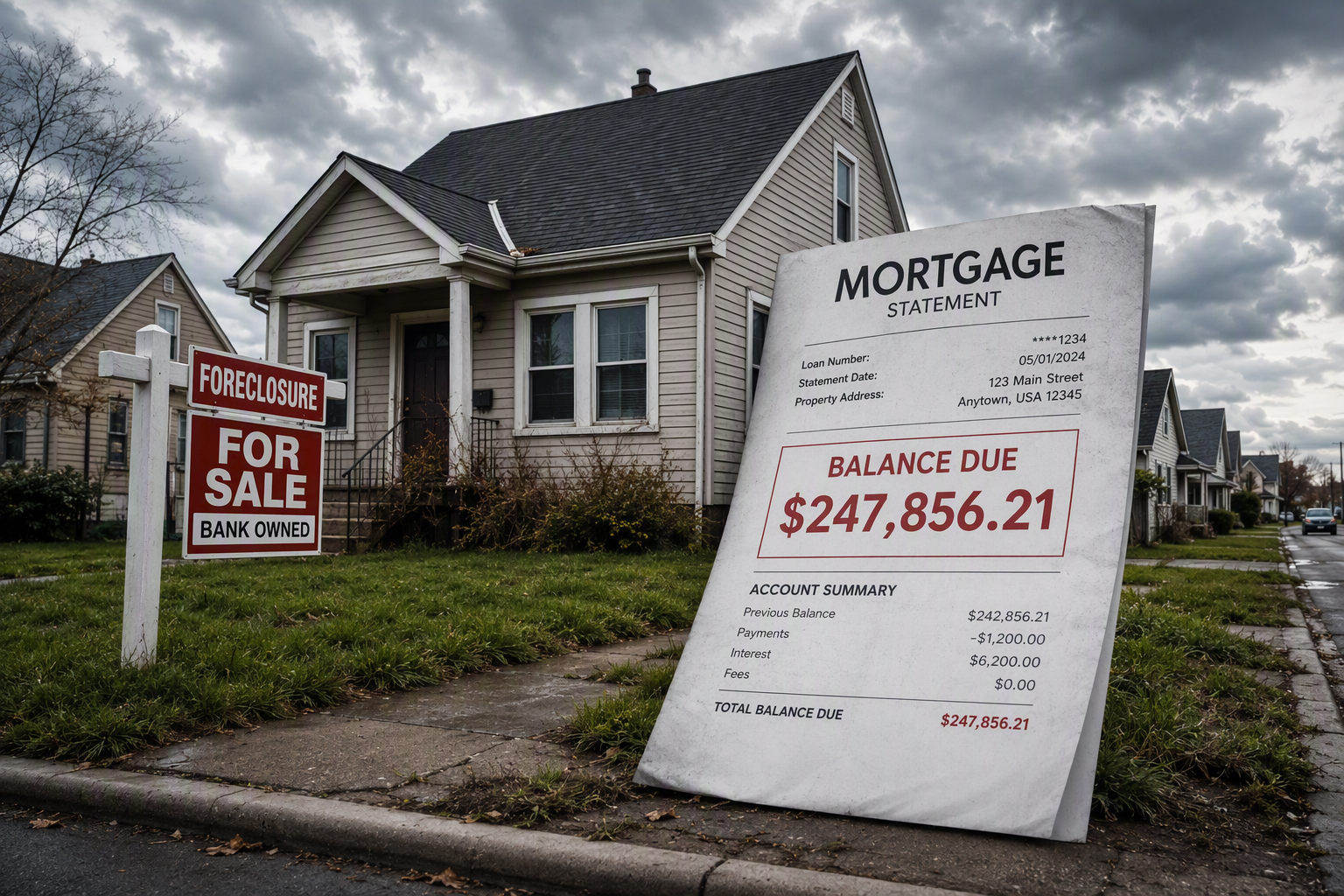
A deficiency balance is the gap between mortgage debt and the foreclosure sale result.
Under Pennsylvania law, a lender usually needs a deficiency judgment before collecting that shortfall.
Fair market value matters because it can reduce the amount claimed after a foreclosure sale.
A deficiency judgment is not automatic, and lenders must take extra legal steps.
Collection limits exist in Pennsylvania law, including restrictions involving wage garnishment.
Homeowners may address a deficiency balance through settlement, bankruptcy, or other defenses.
Introduction
If your home goes through the foreclosure process, you may assume the sale ends everything you owe. In Pennsylvania law, that is not always true. A deficiency balance is the part of the mortgage debt left unpaid after the property sells for less than what was owed. The property’s fair market value can play a major role in that calculation. So, what exactly is a deficiency balance after foreclosure in Pennsylvania? It is a risk you should understand before making any next move.
Understanding Deficiency Balances After Foreclosure
A deficiency balance can appear after foreclosure proceedings when the sale price does not cover the full loan payoff. In simple terms, it is the unpaid balance that remains after the home is sold.
That leftover amount does not automatically become collectible. The mortgage lender must take further action to turn the deficiency balance into something enforceable. To understand how that works in Pennsylvania, it helps to start with the basic definition, then look at how the amount arises and how it differs from a court judgment.
Definition of a Deficiency Balance in Pennsylvania
In Pennsylvania, a deficiency balance is the difference between what you still owed on your loan and what was recovered through the sale of the house in mortgage foreclosure. If the property brings in less than the full amount due, the gap is the deficiency.
Put another way, it is the unpaid balance left after the lender applies the sale proceeds to the debt. For example, if the loan balance was higher than the amount received at sale, the remaining balance may still exist even though you no longer own the home.
This point surprises many former homeowners. A mortgage foreclosure does not always erase personal liability. The deficiency balance is the shortfall itself, not yet a court order. For the lender to collect it, additional legal steps are generally required under Pennsylvania procedure.
How a Deficiency Balance Arises During Foreclosure
A deficiency balance arises when the foreclosure process ends with a sale that does not satisfy the full mortgage loan. The foreclosure sale price may be lower than the total debt because of market conditions, fees, or the way the property is sold.
Here is the basic idea. If you owed $200,000 and the property sold for $150,000, the remaining debt would be $50,000. That shortfall is the deficiency. In some Pennsylvania cases, fair market value becomes very important, especially when the lender buys the property at the sheriff’s sale.
Why does that matter to you? Because the lender’s bid is not always the final word on value. If the property’s true worth is higher than the bid, that higher fair market value may reduce the deficiency amount the lender tries to pursue later in court.
Difference Between Foreclosure Balance and Deficiency Judgment
Many people use these terms as if they mean the same thing, but they do not. A foreclosure balance or unpaid balance is simply the money still owed after missed mortgage payments and sale credits are applied. A deficiency judgment is something different.
Once the home is sold, the lender may still claim a shortfall. Still, that shortfall is not automatically enforceable as a money judgment. The lender usually must start legal action to obtain a deficiency judgment.
The difference is easier to see here:
Foreclosure balance refers to the debt remaining after the loan and sale figures are compared.
Deficiency judgment is a court order making you personally liable for that unpaid balance.
A lender cannot rely on the balance alone if it wants stronger collection rights.
Legal action is usually needed before the lender can enforce the debt like other civil judgments.
Legal Framework for Deficiency Judgments in Pennsylvania
Pennsylvania law places real limits on when and how a lender may seek a deficiency judgment. Because Pennsylvania is a judicial foreclosure state, court involvement already plays a central role in the foreclosure action itself.
After the sale, the lender must still follow separate rules if it wants to collect any shortfall. That extra legal action is not automatic, and deadlines matter. To see how these claims are regulated, it helps to look at the state rules, the lender’s process, and the time limits that apply.
Relevant State Laws Regulating Deficiency Judgments
Pennsylvania law does not let a lender treat every mortgage foreclosure shortage as instantly collectible. If the lender wants a deficiency judgment, it must file a deficiency action, often called a petition to fix fair market value, after the sheriff’s sale and deed transfer.
One key rule is the six-month deadline tied to the transfer of the deed to the new owner. If the lender misses that window, the deficiency cannot be enforced. Another important rule is that fair market value can limit the amount claimed when the lender buys the property at sale.
Process Lenders Use to Pursue a Deficiency Balance
Yes, a mortgage lender can pursue a deficiency balance after foreclosure in Pennsylvania, but only by following added procedures. The shortfall after sale does not automatically give the mortgage holder the right to collect from you personally.
Instead, the lender must begin separate legal action after the deed transfers. It files a petition to fix fair market value. If the court agrees with the lender’s position, the lender may obtain a judgment and become a judgment lender with broader collection tools.
The usual process looks like this:
The property is sold and a deficiency balance appears.
The mortgage lender files a separate petition within the required time.
The court considers valuation issues, including fair market value.
If successful, the lender receives a judgment it can try to enforce like other debts.
Time Limits for Collecting a Deficiency Judgment in Pennsylvania
Timing matters at two different stages. First, after the foreclosure sale, the lender has a limited time to start the separate action needed to pursue the deficiency. The key deadline is six months from the transfer of the deed.
If the lender does not file within that period, the deficiency becomes unenforceable. That makes the early filing rule one of the most important parts of the statute of limitations framework in these cases.
Once a deficiency judgment is entered, the collection period is much longer. In Pennsylvania, the judgment lender can generally collect against personal property for twenty years, though judgments must be renewed every five years. So, the first deadline is short, but the life of the judgment can be long.
Calculating and Resolving a Deficiency Balance
The size of a deficiency balance is not based only on what happened at auction. In Pennsylvania, fair market value may affect the final number, especially if the lender bought the property itself.
That means the foreclosure sale price is important, but it is not always the full story. The remaining debt may be reduced if the court finds the property was worth more than the bid. From there, your options may include settlement, defense strategies, or bankruptcy relief.
How the Amount of a Deficiency Balance is Determined
The deficiency amount starts with a simple comparison. The court looks at the total debt and subtracts the value credited from the sale. If the foreclosure sale price fully covered the debt, there is no deficiency balance.
Still, Pennsylvania adds an important layer. When the lender purchases the property, the property’s fair market value can limit the claim. That means the lender cannot always rely on a low bid if the home was actually worth more at the time of sale.
For example, if the total debt was $100,000 and the lender bought the home for $50,000, the claimed deficiency might seem to be $50,000. But if you present evidence showing fair market value was $90,000, the deficiency amount could be limited to $10,000 instead.
Options for Homeowners Facing a Deficiency Balance
If you are facing a deficiency balance, you may still have options. In some cases, the lender may negotiate rather than spend more time and money chasing the debt. The best approach depends on timing, the property, and your broader finances.
Some homeowners work things out before the sheriff’s sale. Others respond after the lender files papers. Mortgage foreclosure defense may also create room for a resolution. Be careful with any agreement involving forgiven debt, since tax issues may come up in some situations.
Possible options include:
Negotiate a payment arrangement or settlement for less than the full claim.
Seek a short sale with terms that address any remaining liability.
Consider a deed in lieu of foreclosure, but only if the paperwork clearly handles the deficiency.
Raise defenses in court through mortgage foreclosure defense and valuation challenges.
The Role of Bankruptcy and Other Strategies
Bankruptcy can be an option for dealing with a mortgage deficiency in Pennsylvania. A bankruptcy attorney can review whether Chapter 7 or Chapter 13 fits your situation. For many people, that step can eliminate or reduce personal liability tied to the foreclosure shortfall.
Chapter 7 may discharge most unsecured debt, including a mortgage deficiency. In some cases, if a deficiency judgment attaches to exempt property, it may be possible to avoid the lien. Chapter 13 works differently by creating a plan to pay a portion of your debts over 36 to 60 months.
Other strategies may help too. You might challenge value, reopen a judgment if service was faulty, or negotiate directly with the lender. The earlier you get advice, the more options you may have before the case becomes harder to control.
Conclusion
Understanding deficiency balances after foreclosure in Pennsylvania is crucial for homeowners navigating this challenging situation. A deficiency balance can significantly impact your financial future, but being informed about how it arises and the legal frameworks surrounding it can empower you to make better decisions. Remember that options exist for resolving these balances, and seeking professional guidance can help you navigate the complexities of managing what you owe. If you find yourself facing a deficiency balance, consider reaching out for support to explore your options and protect your financial well-being.
Frequently Asked Questions
Can a lender pursue a deficiency balance after foreclosure in Pennsylvania?
Yes. Under Pennsylvania law, a mortgage holder may pursue a deficiency balance after foreclosure, but lender claims are not automatic. The lender usually must take separate legal action and file on time. If it wins, the court may enter a judgment for the remaining amount.
What happens if you can’t pay a deficiency balance after foreclosure in Pennsylvania?
If you cannot pay the unpaid balance, the judgment lender may try to collect from bank accounts or other non-exempt assets. Still, Pennsylvania limits collection in important ways. Wage garnishment generally is not allowed for this type of debt, and some exempt property may be protected.
Where can I find details about Pennsylvania deficiency judgment statutes?
You can find the main rules in Pennsylvania law covering deficiency judgment procedure, fair market value petitions, and the statute of limitations tied to the foreclosure action. Because these rules affect civil judgments and deadlines, many homeowners also review them with an attorney to understand how they apply.