Key Highlights
A mortgage payoff statement shows the exact payoff amount needed to close your loan on a specific payoff date.
Your mortgage balance is not the same as the full amount needed to pay off the loan.
A loan servicer can provide this document when you plan to sell, refinance, or make a final payment.
The statement usually includes principal, daily interest, and possible fees.
Most payoff statements have an expiration window tied to the payoff date.
Pennsylvania homeowners can request one without committing to immediate payoff.
Introduction
If you are a homeowner in Pennsylvania, it helps to know that your loan balance is not always the amount needed to fully close your mortgage. A mortgage payoff statement gives you the exact figure for a specific date, which matters when you want to sell, refinance, or make your last payment. That simple document can prevent delays, short payments, and confusion. Once you understand how it works, you can move forward with more confidence and fewer surprises.
Understanding the Payoff Statement for Pennsylvania Homeowners
For Pennsylvania homeowners, a payoff statement is the document that shows the exact amount of money needed to satisfy a mortgage on a chosen payoff date. It comes from your loan servicer, not from guesswork or your regular monthly statement.
Why does that matter? Because interest keeps adding up daily, and fees may also apply. If you are selling, refinancing, or planning an early payoff, the written statement gives a reliable total. The next sections break down what it is and why you may need it.
What Is a Mortgage Payoff Statement?
A mortgage payoff statement is a formal document from your servicer that lists the exact payoff amount needed to close your loan in full on a certain date. You may also hear it called a payoff quote or payoff letter. It is more precise than a phone estimate.
Here is the key difference: your principal balance shows what remains from the original amount borrowed, but that alone does not close the account. The mortgage payoff statement adds daily interest and any charges still due, so the total reflects what you truly owe.
That makes the document useful whenever timing matters. If you send only the principal balance or rely on an informal payoff quote, the loan may stay open. A written statement helps you avoid an underpayment and gives you a number you can actually use.
Why Pennsylvania Homeowners Need a Payoff Statement
Many Pennsylvania homeowners need a payoff statement because mortgage debt does not stand still. Interest grows each day, so the total owed changes depending on the specific date you plan to pay off the loan. Your monthly bill cannot capture that moving target.
This matters most during major transactions. If you are selling a home, refinancing into a new loan, or trying to pay off the mortgage early, the closing party needs the exact amount. Without it, the process can slow down or even stall.
Just as important, asking for a payoff statement does not lock you into anything. You can request one simply to plan ahead. That gives you a clear picture of what it would cost to satisfy the loan on a specific date before you make any final decision.
How a Payoff Statement Works in Pennsylvania
A payoff statement for a mortgage loan starts with your remaining principal and adds interest that has built up since the last payment. It may also include unpaid charges or a small processing fee, which is why the payoff amount is often higher than expected.
Once requested, the written statement should arrive within seven business days in many standard cases. It also comes with a limited valid period. To understand how that number is prepared and when you will need it, look at the process and common situations below.
The Process Behind Generating a Payoff Statement
When you request a payoff letter, the mortgage servicer reviews your account and calculates the amount needed to satisfy the loan on a target date. The loan balance is only the starting point. The servicer then adds daily interest and any outstanding charges that apply.
A formal statement usually includes these core items:
The remaining principal and interest accrued through the good-through date
Any processing charge, late fee, or other unpaid amount
Payment instructions explaining where and how to send funds
This is why the document matters so much. A verbal number may be rough, but a written payoff letter is what a closing agent, new lender, or title company can rely on. If the date changes, the amount changes too, and you may need an updated statement.
Common Scenarios When You’ll Need a Payoff Statement
You will usually need a payoff statement when money from another transaction will be used to clear your home loan. The document gives the exact mortgage payoff number, which helps avoid delays at closing. If you plan to sell, ask for it early enough that the numbers are still current.
Common situations include:
Selling your property, when the title company needs the exact payoff
Refinancing, when a new lender must pay off the current loan
Paying off the mortgage early with your own funds
Transferring property ownership during an estate or similar transaction
Timing is important. If you are preparing to list or already under contract, getting the statement early gives everyone time to review it. That can keep your sale, refinance, or ownership transfer moving without last-minute problems.
Payoff Amount vs. Mortgage Balance
Yes, the payoff amount is usually different from your mortgage balance. Your mortgage balance or principal balance reflects what remains from the original loan, but it does not include the daily interest still building before the loan is fully paid.
Because the interest rate continues to affect the total each day, the final number is often higher than your regular statement shows. Fees can also increase it. The next section compares both figures side by side so the difference is easier to spot.
Key Differences Explained
At first glance, the payoff amount and mortgage balance can seem interchangeable. They are not. Your mortgage balance, sometimes called the current balance or remaining principal, is a snapshot of the loan itself. The payoff amount is the full total needed to close it on a specific day.
That distinction matters when money is tight at closing. If you rely on the mortgage balance alone, you could come up short. The written payoff amount gives the exact number needed to finish the loan properly.
How Interest and Fees Affect the Payoff Amount
The biggest reason the payoff amount is higher than the balance is accrued interest. Your interest rate keeps generating charges every day after your last monthly payment. So even if your statement looks current, the total needed to pay off the loan keeps moving.
Additional fees can also show up. Some servicers include a small processing charge, unpaid late fees, or other account-related costs. In some older loans, prepayment penalties may appear, though they are much less common on most residential mortgages today.
You may also see mortgage insurance or similar items reflected if money is still owed. That is why the final figure can differ from what you expected. When you review the statement, look beyond the balance and focus on every line that adds to the total.
How to Request a Mortgage Payoff Statement in Pennsylvania
Requesting a mortgage payoff statement in Pennsylvania usually starts with your loan servicer, the company that collects your monthly payment. You can often use the online account portal, call customer service, or send a written request, depending on the servicer’s system.
A written request is especially important because standard timing rules are tied to it. Before reaching out, gather your loan details and target payoff date. The next two sections cover the main request methods and the information you should have ready.
Steps for Making an Online or Phone Request
Many homeowners can make an online request through the servicer portal. Look for options such as payoff request or loan payoff. If that is not available, calling the phone number for your mortgage lender or servicer is another common route.
To keep things simple, follow these steps:
Sign in online or call the listed customer support number
Ask for a payoff statement for the date you expect funds to be sent
Confirm how the statement will be delivered and how many business days it may take
In many cases, online requests move faster than mailed forms. Still, if you need stronger documentation, sending a written request can be helpful. Whether you go online or call first, make sure you ask for the formal written statement, not just a verbal estimate.
Information You’ll Need for Your Payoff Statement Request
Before you contact customer service, gather the details that help the servicer find your account quickly. Missing information can slow things down, especially if you are close to closing or trying to time a final payment correctly.
Have these items ready:
Your loan number from the monthly statement or online account
The payoff date you want the statement based on
Your contact information, including current mailing or email details
Any payment information the servicer may need to explain delivery or funding options
If a title company, attorney, or new lender is involved, you may also want to know where the statement should be sent. A little preparation makes the request easier and reduces the chance of back-and-forth calls later.
What’s Included in a Pennsylvania Mortgage Payoff Statement
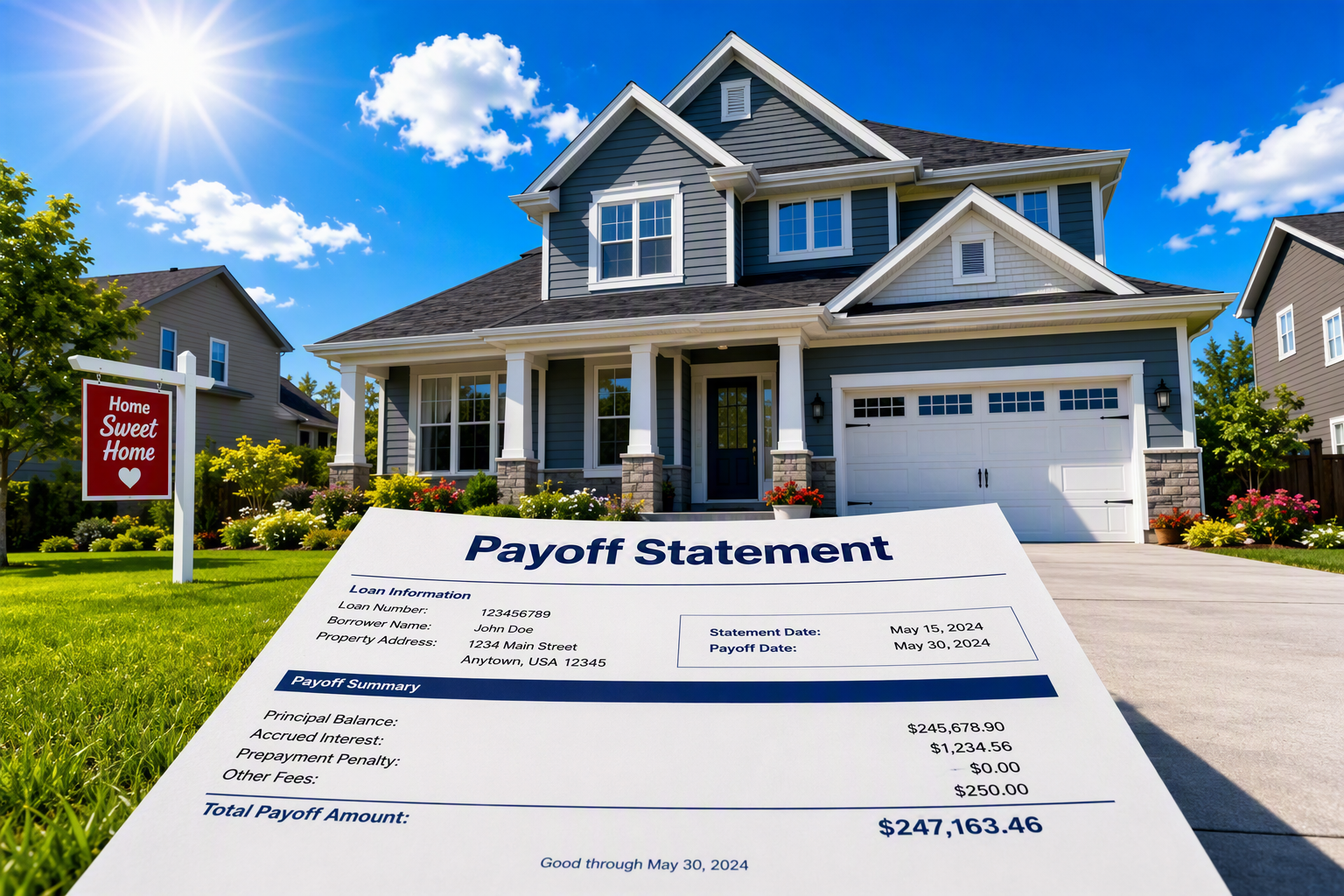
A Pennsylvania payoff statement usually breaks down the amount needed to close the loan by showing the remaining balance, interest through a specific date, and any charges still due. It is designed to give a full picture, not just a partial account snapshot.
You should also expect practical details such as payment instructions and an expiration date, sometimes called a good-through date. Those items matter just as much as the numbers. The following sections explain the usual contents and the dates you should watch closely.
Typical Details Found on the Statement
While formats vary, most payoff statements contain the same core details. The goal is to show the exact amount needed to satisfy the loan on the listed payoff date. That number is more complete than what appears on your monthly statement.
You will commonly see:
The payoff date and the exact amount due through that date
A breakdown of remaining principal, interest, and any fees
Payment delivery details, including where funds must be sent
Basic account details, such as your loan type or account identification
Review each item carefully. Even a small difference can matter if you are closing a sale or refinancing. The statement should help you understand not only the total but also why that amount is higher than the figure shown on your regular statement.
Terms and Dates to Look For
Some parts of a payoff statement deserve extra attention because they affect whether your payment will be accepted and whether the loan will actually close. If you overlook a date or funding rule, your total may no longer be enough.
Pay close attention to:
The expiration date or good-through date
The payment instructions, including wire or certified fund requirements
Any listed days of interest that continue beyond the statement date
After the payoff is processed, the servicer should complete the satisfaction of mortgage filing to release the lender’s claim on the property. That step happens after payment, but understanding the earlier dates and instructions helps you reach that finish line without unnecessary delays.
Resolving Discrepancies and Legal Considerations
If your payoff amount looks off, do not ignore it. Even a small mistake can leave the loan open and create a dispute at closing. Start by comparing the statement with your own records, including your last payment and any recent account activity.
There are also legal requirements that affect how servicers respond to payoff requests. For Pennsylvania borrowers, that can matter when timing is tight. The next sections explain what to do if numbers seem wrong and what rules generally shape the request process.
What to Do If Your Payoff Amount Seems Incorrect
If something on your payoff statement seems inaccurate, pause before sending money. Start by reviewing the listed outstanding principal balance, accrued interest, and any fees. Then compare those figures with your latest records and recent payments.
A practical first response is to:
Call customer service and ask for a line-by-line explanation
Check whether the payoff date changed and added more interest
Send a written request if you need a corrected statement or formal response
Act quickly if a closing is coming up. Small errors can create larger problems when sale proceeds or refinance funds are being scheduled. Keeping copies of your statements, request dates, and payment history will make it easier to clear up the issue.
Pennsylvania Laws Regarding Payoff Statements
When Pennsylvania homeowners ask for a mortgage payoff letter, federal servicing rules are often the key timing standard to know. In typical consumer mortgage situations, a servicer must provide the statement within seven business days after receiving a written request, subject to limited exceptions.
That timing matters if you are selling or refinancing on a deadline. If the servicer does not respond on time, borrowers may have options to dispute the delay through a formal error process. Keeping proof of your request can help if questions come up later.
As for cost, some servicers provide the statement for free while others charge a small fee, often under $30. If you are unsure, ask before ordering the document. Reading your loan paperwork and checking with the servicer can clarify any requirements tied to your account.
Conclusion
In summary, understanding a payoff statement is crucial for Pennsylvania homeowners navigating their mortgage journey. This document not only provides clarity on what you owe but also equips you with the knowledge to make informed financial decisions, whether you’re selling your home or considering refinancing. With the right understanding of the details included in a payoff statement and the process of obtaining one, you can manage your mortgage effectively and avoid any unpleasant surprises. If you have further questions or want personalized assistance, don’t hesitate to reach out for a free consultation. Your financial peace of mind is just a conversation away!
Frequently Asked Questions
How long does it take to receive a payoff statement in PA?
After your loan servicer receives a written request, a mortgage payoff statement is generally provided within seven business days in standard situations. Some online systems move faster. If timing matters, contact customer service early and confirm how the request should be submitted.
Is there a fee for requesting a mortgage payoff statement?
Sometimes, yes. A loan servicer may issue a mortgage payoff statement for free, but some charge a small fee, often less than $30. When making a written request, ask about any charges and review the payment information so there are no surprises.
Can I request a payoff statement before listing my home for sale?
Yes, and it can be a smart move. Requesting a payoff statement before listing helps you estimate your mortgage payoff and prepare for a sale involving your property ownership. Have your loan number ready, and update the title company later if the closing date changes.