Key Highlights
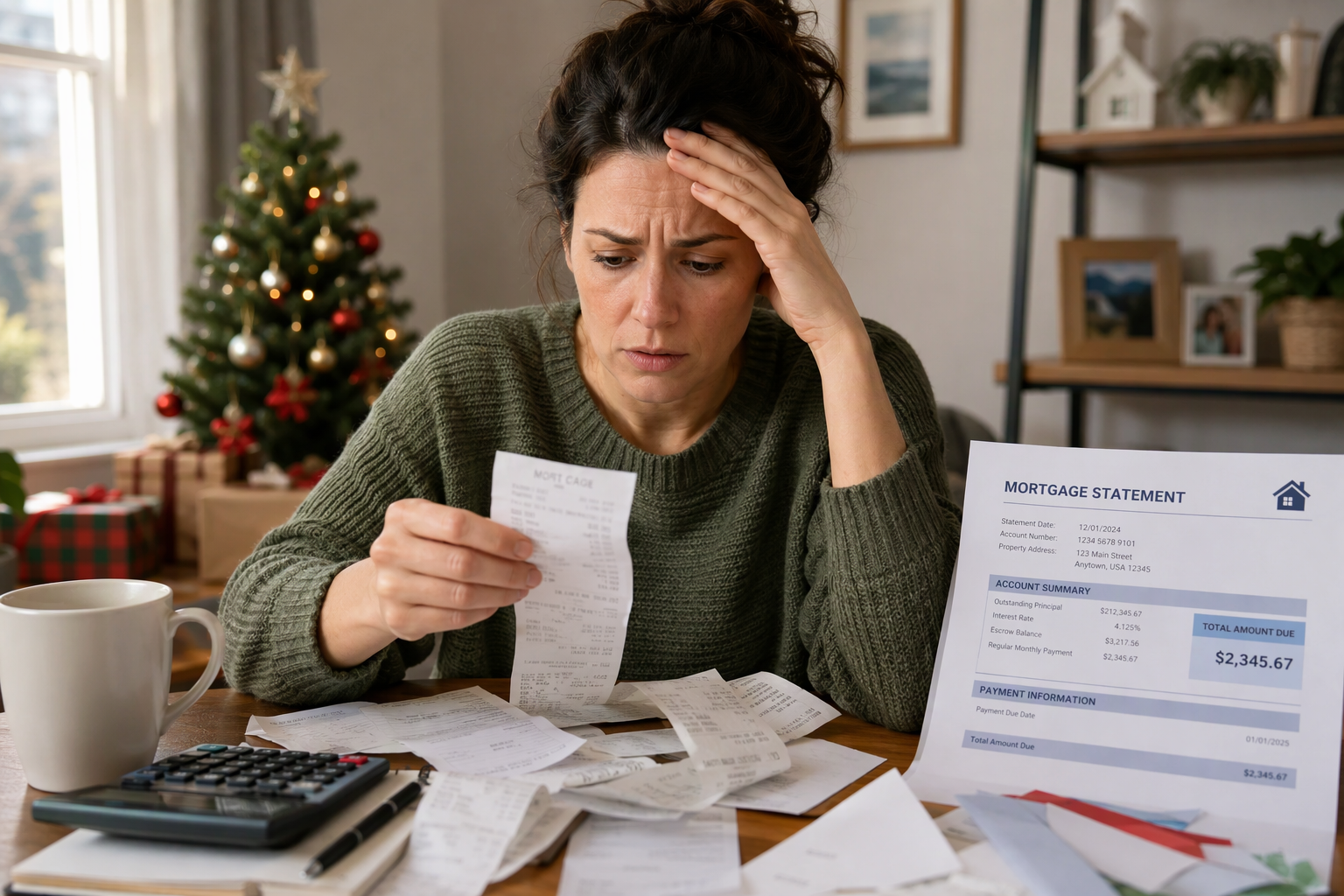
Holiday spending can create pressure when mortgage payments and other bills are already due.
A clear holiday budget helps protect your financial health during a busy season.
Rising credit card debt can shrink the money you have left for housing costs.
Holiday debt often leads to added financial stress in the new year.
Simple financial strategies, like automatic payments, can keep mortgage payments on track.
Spotting problems early gives you more time to adjust spending and protect your home.
Introduction
The holiday season brings family gatherings, gift buying, travel, and bigger grocery trips. That can make holiday expenses rise fast, especially around Thanksgiving. If you own a home, those costs need to fit around your mortgage obligations, not compete with them. A few extra charges may not seem serious at first, but they can affect your monthly cash flow. The good news is that careful planning can help you enjoy the season while keeping your housing responsibilities steady.
How Holiday Spending Can Impact Your Mortgage
When holiday spending goes beyond your holiday budget, your disposable income can tighten quickly. Gifts, meals, travel, and large purchases may leave less room for mortgage commitments and other fixed bills. That can create financial strain before the new year even starts.
If you carry balances on credit cards, credit card interest adds another layer of pressure. Yes, holiday overspending can also cause problems with your homebuying plans because it may weaken your overall financial picture. To see how this plays out, watch for the most common signs after the season ends.
1. Difficulty Keeping Up with Mortgage Payments After the Holidays
After the holiday season, many homeowners feel the impact of holiday debt all at once. Credit card bills arrive, winter utility costs may rise, and your regular housing costs do not pause. If your budget was already tight, that combination can make mortgage payments harder to manage.
A practical first move is to review your current financial situation. Look at fixed bills, variable expenses, and any seasonal increases that showed up during Thanksgiving and the end of the year. This gives you a clearer view of what changed and where your money is going.
If holiday spending is making it hard to keep up with your mortgage payments, act early. Set funds aside for the mortgage first, then reduce nonessential spending. Automatic payments can help. If you expect ongoing trouble, contact a trusted mortgage professional or lender to discuss next steps before financial stress gets worse.
2. Increased Risk of Missing or Late Payments
Post-holiday bills can make your payment calendar feel crowded. When credit cards, utilities, and other expenses all hit around the same time, it becomes easier to miss due dates. Even if you make the minimum payment on a card, your cash may still fall short for regular mortgage payments if spending was too high.
One useful step is to simplify your schedule. Automatic drafting for your mortgage reduces the chance of overlooking it during a busy month. Planning for December or the end of November is also important if your payment timing overlaps with heavy holiday shopping.
To manage post-holiday debt while still paying your mortgage on time, rank your housing bill first in your monthly payment plan. Then review card balances, avoid adding charges to a new card, and cut impulse purchases. A tighter system can protect your mortgage while you work through debt repayment.
3. Strategies to Prioritize Mortgage Payments Over Holiday Debt
Yes, there are specific strategies to prioritize mortgage payments over holiday debt, and they start with clear financial priorities. Your home payment is a core obligation, so it should be protected before extra shopping, travel add-ons, or nonessential spending. That mindset keeps short-term choices from creating bigger housing problems later.
Start by reviewing your budget and separating needs from wants. Then use simple debt repayment tactics to reduce pressure without disrupting your mortgage payments. If you have good credit, balance transfers may help, but only if you understand the balance transfer fee and stay focused on payoff.
Set your mortgage aside first each month before paying holiday debt.
Review spending habits and cut nonessential purchases right away.
Compare debt repayment options such as the snowball method or avalanche method.
Consider balance transfers carefully if lower interest helps you stay organized.
Small choices made early can protect your cash flow and reduce financial strain.
4. Warning Signs That Holiday Spending Is Affecting Your Mortgage
Sometimes the problem shows up before a missed payment happens. You may notice that credit card statements are higher than expected, savings are thinner, or you are relying on additional cash just to cover basics. Those are signs your financial situation may be shifting in the wrong direction.
Watch for patterns, not just one expensive week. If regular bills feel harder to manage, your credit score could also face pressure over time. That financial fallout can affect future borrowing, refinancing discussions, or loan approval if you plan to make a housing move later.
Conclusion
In conclusion, understanding the relationship between holiday spending and your mortgage is vital for financial stability. The joyous season can often lead to overspending, which may impact your ability to meet mortgage obligations. By recognizing the warning signs and implementing strategies to manage your finances effectively, you can prioritize your mortgage payments and avoid falling behind. Remember, it’s essential to maintain a balance between enjoying the holidays and ensuring your financial health. If you’re seeking personalized advice or assistance, don’t hesitate to reach out for a free consultation to guide you through this challenging time.
Frequently Asked Questions
What steps can help you avoid falling behind on your mortgage after holiday spending?
Take proactive steps before and after holiday shopping. Review your budget, set aside your mortgage payments first, automate regular mortgage payments, and cut nonessential spending. These financial strategies help you stay organized and reduce the chance that seasonal bills will push your housing payment off track.
Is it possible to catch up on mortgage payments after accumulating holiday debt?
Yes, it may be possible to catch up on mortgage payments after holiday debt, especially if you act quickly. Review your monthly payments, reduce extra spending, and explore options like debt consolidation if it supports your cash flow. If needed, ask your lender or mortgage professional about payment assistance.
Are there resources or assistance programs for homeowners struggling with post-holiday mortgage payments?
Yes, there may be assistance programs or lender options for homeowners facing financial stress after holiday expenses. If mortgage obligations feel harder to manage, speak with a trusted mortgage professional early. They can help you review available next steps and explain how any decision may affect future loan approval.