Key Highlights
After a foreclosure sale, your mortgage debt may not disappear if the sale price was less than the loan balance.
The unpaid difference can become a deficiency judgment, but that usually requires legal action and a court order.
In some states, lenders can pursue old mortgage debt years later, depending on state laws and deadlines.
Collection methods may include wage garnishment, bank levies, or property liens after judgment.
You should verify any claim, review notices carefully, and get legal advice before responding or paying.
Introduction
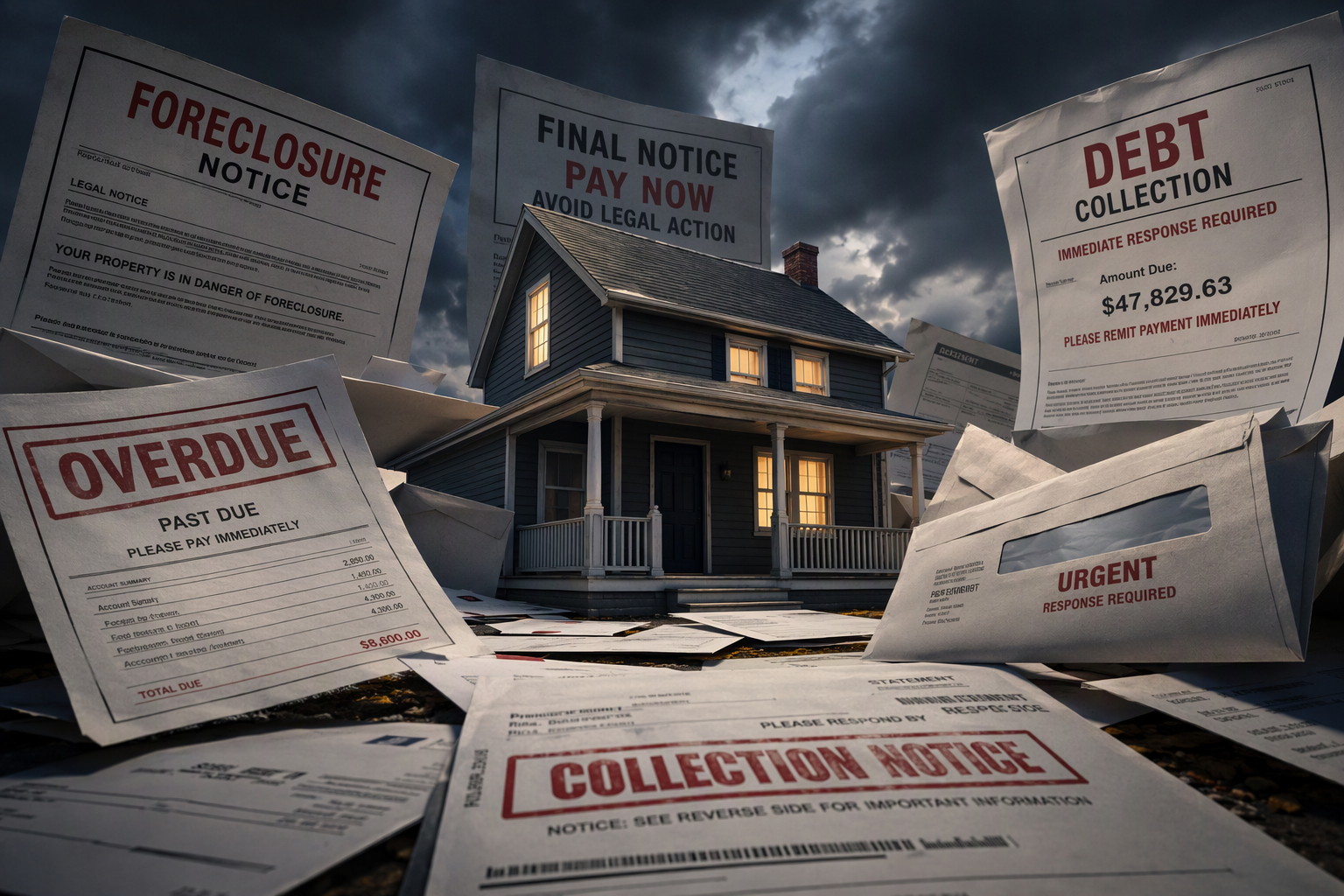
Losing a home through the foreclosure process can feel like the end of the problem, but for a former homeowner, it may not be. If the sale price at auction does not cover the full mortgage loan, interest, and related costs, you could still face a deficiency balance. That means questions about old debt may follow even after you move out. Knowing how post-foreclosure claims work can help you protect your money, your rights, and your next steps.
Understanding Post-Foreclosure Debt Risks for Former Homeowners
Once your home is sold, unpaid mortgage debt may still remain. If the foreclosure sale does not bring in enough money to cover the total amount owed, a lender may try to recover the deficiency claim through the legal process.
That does not mean collection methods start automatically. In many cases, the lender must first get a court order. Whether old debts can resurface years later depends on state laws, the type of foreclosure, and how long a judgment stays enforceable. The next sections break down what that means for you.
What Happens to Mortgage Debt After Foreclosure?
Start with the basic rule: foreclosure does not always erase what you owe. The mortgage lender uses the foreclosure sale to recover the unpaid loan balance, along with interest and certain foreclosure costs. If the home sells high enough, the debt may be satisfied.
But many homes sell for less than the mortgage balance. When sale proceeds do not cover the full amount, the remaining gap becomes a possible post-foreclosure debt. This often happens when the property is underwater and the amount owed is greater than the home’s fair market value.
What happens next depends on state law and procedure. In judicial foreclosure states such as Kentucky and Indiana, the lender may ask the court for a judgment tied to the unpaid amount. So if you are asking what happens to unpaid mortgage debt after foreclosure, the answer is simple: it may survive the sale.
The Deficiency Balance Explained
A deficiency balance is the difference between what you owed and what the property brought in after foreclosure. If the home sells for less than the mortgage debt, the unpaid amount may still be claimed against you.
That does not always mean you are automatically responsible. A lender usually must seek a deficiency judgment through the court. In some places, the court reviews the fair market value of the property before deciding how much, if anything, can be collected. That matters because the sale price alone may not control the final number.
So, are you still liable after foreclosure? Sometimes, yes. Liability depends on state laws, the type of foreclosure, and whether the lender gets a court judgment. In Kentucky, for example, the amount may be limited to the difference between the debt and the home’s fair market value.
How Old Mortgage Debts Can Resurface
Years after a foreclosure, you may still hear about old mortgage debt. That usually happens when a lender obtained, or is trying to obtain, a deficiency claim that remained unpaid. Old accounts can also be transferred for collection of the deficiency claim.
Still, there are limits. State laws control whether a lender can pursue the debt, how long a judgment lasts, and what collection methods are allowed. In Kentucky, the compiled information says a judgment may remain collectible for up to 15 years unless extended.
Watch for these signs that an old claim may be resurfacing:
A letter demanding payment and referencing a prior court order
A notice about collection methods tied to a deficiency claim
Communication that connects the debt to the foreclosure sale or unpaid balance
If you are contacted years later, do not assume the claim is valid without checking dates, documents, and judgment status.
How Debt Collection Works After Losing Your Home
After missed mortgage payments lead to foreclosure, debt collection may continue if money is still owed. A debt collector or lender cannot simply demand payment without following the required legal action when a deficiency claim is involved.
Usually, collection methods become more serious after a court order or judgment. That can include wage garnishment, bank levies, or liens, depending on state law. If you hear from someone about an old foreclosure debt, your first goal should be to confirm what they are claiming and whether they have the legal right to collect it.
Debt Collector Tactics and Timelines
A debt collector may contact you after foreclosure if there is an unpaid balance connected to the home loan. But timing matters. The lender generally must complete required steps in court before collection of the deficiency claim can move forward as a judgment-based debt.
You should also expect proper notice. The compiled information shows that foreclosure and post-judgment collection follow formal procedures. A demand that appears out of nowhere, with no documents or case details, should raise questions.
To protect yourself, pay attention to these issues:
Whether the notice explains the amount claimed and where it came from
Whether the debt collector mentions a court case, judgment, or other timelines
Whether the contact appears tied to the foreclosure process and not a vague old account
If something seems off, pause before paying. Review the paperwork and get legal advice so you do not react to an unsupported claim.
When Can Debt Collectors Pursue Old Mortgage Debts?
Debt collectors may pursue old mortgage debt only when the law allows it. That depends on state laws, whether the lender obtained a deficiency claim or judgment, and the time limits that apply. These limits are not the same everywhere.
The type of foreclosure matters too. Judicial foreclosure often creates a clearer court path for seeking a deficiency judgment because the case already goes through the court system. In nonjudicial foreclosure states, lenders may face more limits, and some states restrict or prohibit deficiency judgments after that route.
The key point is this: old debt does not stay collectible forever just because it once existed. Some judgments remain enforceable for years, and some can be renewed. Others may expire. If someone contacts you about a very old claim, ask what legal basis they are relying on and whether any deadline has passed under your state’s rules.
The Impact on Your Credit and Financial Status
Old foreclosure debt can affect your financial life, even if the deficiency judgment itself does not directly appear on your credit report. Missed mortgage payments and the foreclosure itself may already have lowered your credit and made it harder to rent or borrow.
A court judgment can also create pressure in other ways. If collection starts, you may face bank account levies, wage garnishment, or liens on other property. That can limit cash flow and make it harder to stay current on everyday bills, including credit card debt or other unsecured debt.
Protecting Yourself from Debt Collector Claims
Protection starts with verification. If a debt collector contacts you after foreclosure, do not assume the claim is correct just because they sound confident. You need documents, dates, and proof that they have a lawful right to collect.
If you are dealing with financial hardship, support matters. Legal advice from a qualified attorney, guidance from a housing counselor, or help from a bankruptcy attorney may clarify your options. Those options can include negotiating, reviewing court records, or looking at broader debt relief strategies before the situation gets worse.
Identifying Legitimate Debt Collection Contacts
Not every contact about old foreclosure debt is legitimate. A real debt collector should be able to connect the claim to the legal process, the property, and the amount allegedly owed. You should not have to guess what debt they mean.
Look for proper notice and a clear confirmation requirement. If a collector cannot explain whether the debt comes from a foreclosure sale, deficiency balance, or court case, slow down. The compiled information shows that foreclosure-related collection is tied to formal steps, not random demands.
Use this checklist when you are contacted:
Ask for written notice showing the amount of the debt and its source
Check whether the claim refers to a court order, judgment, or case record
Confirm the collector’s identity before sharing money or personal details
If the contact lacks detail or pressure is extreme, get legal advice before responding further.
Legal Rights When Dealing with Debt Collectors
You have legal rights when someone tries to collect post-foreclosure debt. Those rights come from both the federal government and state laws. The exact rules vary, but collectors still must follow legal procedure when they claim you owe money from a foreclosed home.
One important point is that serious collection steps usually require a court order or valid judgment. That matters if the collector is threatening wage garnishment, a bank levy, or a lien. You are allowed to ask for proof and to review whether the judgment exists and is still enforceable.
You also have the right to seek help before the situation escalates. An attorney can review deadlines, state-specific rules, and whether the amount claimed appears accurate. In some cases, legal advice may also help you avoid unnecessary attorney fees or challenge collection efforts that overreach the law.
Steps to Take When Contacted About Old Mortgage Debt
First, stay calm and gather information. If someone contacts you about old mortgage debt, ask for written details about the deficiency claim, the amount sought, and the legal basis for collection. Do not rely on a phone call alone.
Next, review the documents carefully. Check whether the confirmation requirement has been met and whether the claim matches your records from the foreclosure. Look for dates, case numbers, sale details, and any court judgment tied to the property. If anything seems unclear, get legal advice before you discuss payment.
After that, consider your options. Depending on your situation, that may include disputing the claim, negotiating a repayment plan, or speaking with a bankruptcy attorney if other debts are also creating pressure. Early action gives you more control and lowers the chance of making a costly mistake.
Common Mistakes and Best Practices for Former Homeowners
Many problems after foreclosure come from acting too fast or not acting at all. A former homeowner may ignore notices, assume the debt is gone, or send money before confirming whether a deficiency claim is valid.
A better approach is steady and informed. Review each contact, learn which collection methods require legal action, and get help early if financial hardship is making decisions harder. Small mistakes can become expensive later, so the next sections focus on errors to avoid and practical ways to reduce risk.
Avoiding Costly Errors in Handling Debt Collection
One common mistake is assuming foreclosure ended the entire debt. If a deficiency claim exists, the issue may continue after the home is sold. Another mistake is treating every demand as valid without checking whether the legal process was followed.
People also get into trouble by ignoring court papers or threats of collection methods. That can lead to missed deadlines and fewer options. Since many stronger remedies depend on a court order, you need to know whether one was actually entered.
Avoid these costly errors:
Do not pay a collector before confirming the basis for the deficiency claim
Do not ignore notices that may be connected to a court case or judgment
Do not assume all old claims are still enforceable under state law
A careful review at the start can help you avoid bigger problems later.
Proactive Strategies to Reduce Debt Collection Risks
The best time to reduce debt collection risk is before foreclosure is complete, but some strategies may still help earlier in the default stage. The compiled information points to loss mitigation options such as a short sale, deed in lieu of foreclosure, or a negotiated repayment plan.
In some cases, a loan modification can make mortgage payments more manageable and prevent the situation from reaching a foreclosure sale at all. Acting early matters because lenders may prefer a workable solution over the cost and delay of full foreclosure proceedings.
If the debt picture is bigger than one home loan, legal advice becomes even more important. A bankruptcy attorney may help you understand whether bankruptcy could stop collection activity or address a deficiency as unsecured debt. The right strategy depends on timing, state law, and your full financial situation.
Conclusion
In conclusion, navigating the complexities of debt collection after foreclosure can feel overwhelming for former homeowners. Understanding the potential risks, such as deficiency balances and the tactics used by debt collectors, is crucial to protecting your financial future. By being proactive and informed about your rights, you can effectively handle any collection attempts that may arise. It’s essential to stay vigilant and avoid common pitfalls that could exacerbate your situation. Remember, knowledge is power. If you have lingering questions or need personalized guidance, don’t hesitate to reach out for a consultation to help you regain control of your financial health.
Frequently Asked Questions
Can debt collectors garnish my wages over old foreclosure debts?
Yes, wage garnishment may happen with old mortgage debts, but usually not without legal action first. A lender or collector generally needs a deficiency judgment and a court order before wage garnishment can begin. Whether that is allowed, and for how long, depends on state law.
Am I always liable for a deficiency balance after foreclosure?
No. A deficiency balance is not automatic in every case. Whether your mortgage lender can pursue it depends on the foreclosure process, the type of foreclosure, and state laws. In some states, lenders can seek the unpaid amount, while others limit or prohibit those claims.
How do I verify if a debt collection attempt is valid?
Ask the debt collector for proper notice in writing and make sure the confirmation requirement is met. The notice should explain the deficiency claim, amount sought, and legal basis. If the details are unclear or pressure is high, get legal advice before you respond or pay.