Key Highlights
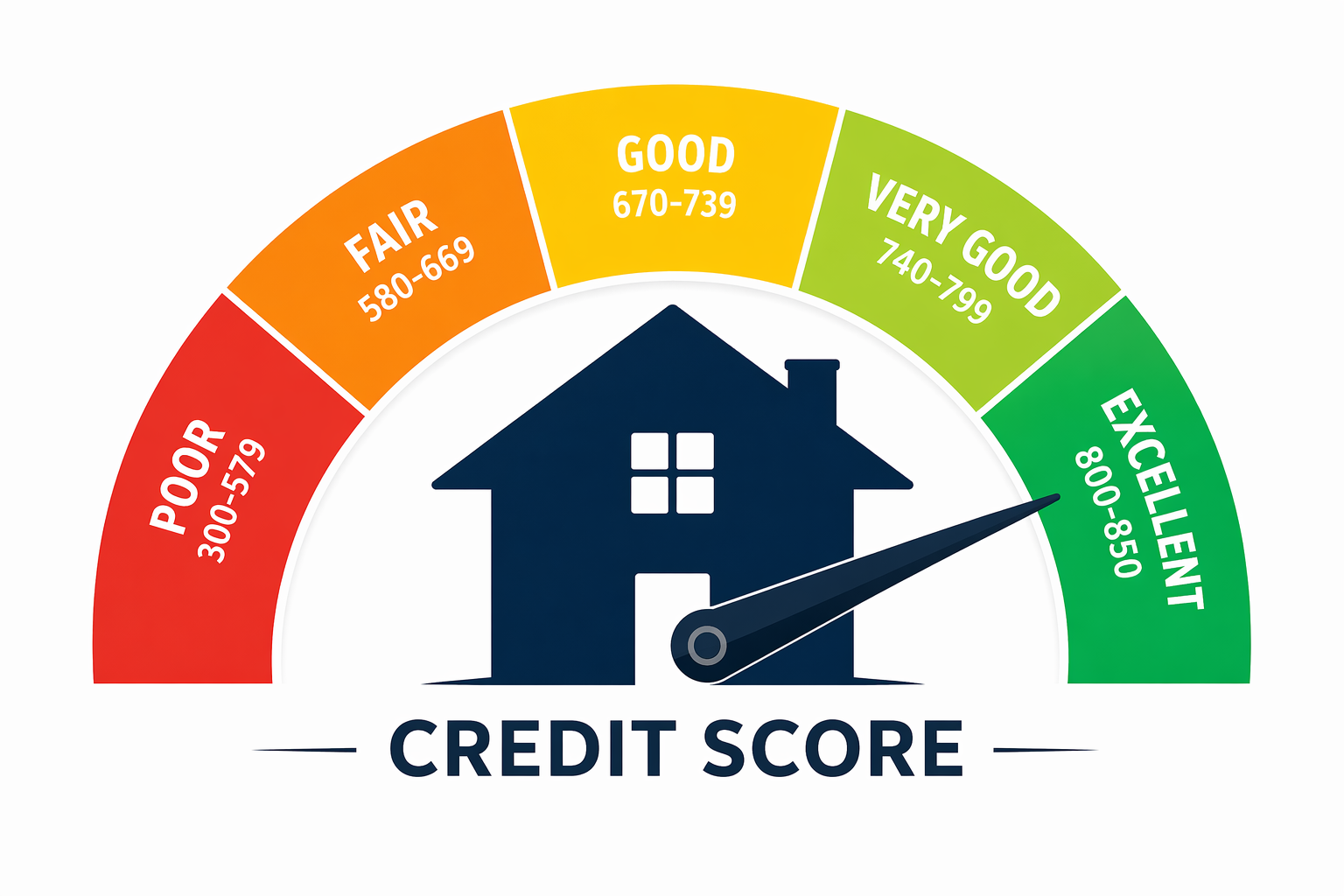
Your credit score plays a major role in housing stability and access to affordable housing.
A weak credit history can make renting harder and can raise mortgage costs.
Bad credit may lead to larger deposits, added fees, or fewer housing choices.
Property managers and lenders often review payment patterns before approving applicants.
Housing stability supports financial security, routine, and better mental health.
Improving credit habits can strengthen your chances of finding and keeping a stable home.
Introduction
Your credit health affects more than loans. It can shape where you live, what you pay, and how secure you feel in your home. When lenders and landlords review your credit history, they are trying to judge risk, but that process can also limit access to affordable housing. If your score is low, even simple housing steps can become harder. Understanding this connection helps you see why credit and housing stability often move together.
The Link Between Credit Health and Housing Stability
A credit score often affects whether you can get approved for a rental or mortgage at all. In today’s market, bad credit or a poor credit history can lead to automatic denial, larger upfront costs, or fewer choices in affordable rental housing.
That creates a hard cycle. When housing affordability is already tight, credit problems can push people toward unstable living situations. Missed bills, debt, and lost housing can feed each other, increasing the risk of long-term housing instability. The next sections show how this plays out in real housing decisions.
How Credit Scores Impact Access to Rentals and Mortgages
In today’s rental market, your credit score can shape both access and cost. Property managers often use it as a screening tool, while mortgage lenders use it to set loan terms. A stronger score may help you qualify faster and pay less over time. A lower score can shrink your chance of approval and make affordable housing harder to reach.
Payment histories matter because they show whether you usually pay on time. That history helps landlords and lenders decide if you are likely to keep up with rent or mortgage payments. Even when approval is possible, lower scores can still mean tougher terms.
The Effect of a Poor Credit History on Securing Stable Housing
A poor credit history can make it much harder to secure stable housing. Many applications include credit checks, and some systems reject people before a landlord ever reviews the full story. That means a poor credit score may block access even when a person has income, references, or clear effort to recover financially.
This problem often shows up in practical ways:
Landlords may ask for a larger security deposit.
Applicants may face extra fees on top of first month’s rent.
Some rental properties may require a co-signer or stronger income proof.
Rental assistance may still be needed because upfront costs become too high.
For people already under pressure, these barriers can keep housing out of reach. Good news: strong references, steady work, and a plan to rebuild credit may still help. Still, the current system often makes stable housing harder to hold onto after credit damage begins.
Why Housing Stability Matters for Financial and Physical Well-Being
Housing stability supports more than a place to sleep. It helps you build routines, protect income, and avoid repeated financial shocks. A stable home makes it easier to manage bills and work toward financial security.
The health side matters too. Housing studies and community experience show that losing housing or living in substandard housing can increase stress and hurt mental health. When your home feels uncertain, every other part of life becomes harder. To understand that fully, it helps to look at both money and health effects.
The Influence of Stable Housing on Financial Security
Stable housing gives you a base for daily life. When you know where you will sleep each night, it becomes easier to keep up with work, organize documents, and manage due dates. That stability supports financial security because fewer emergencies pull your money in different directions.
It also helps with parts of the housing process that rely on consistency:
A steady address can support job history records.
Reliable housing can make income verification easier during applications.
Regular bill payment can help reduce harmful credit utilization over time.
Fewer disruptions may improve your overall financial history.
That is why housing and money are so closely linked. When you are constantly moving or trying to recover from a setback, it is harder to plan ahead. A stable home creates room to pay on time, save what you can, and make decisions that protect your finances.
Connections Between Housing Instability, Health Challenges, and Stress
Housing instability can strain both body and mind. When people lose housing or fear losing it, stress rises fast. That pressure can affect mental health, especially when debt, unpaid bills, and uncertain shelter all hit at once. Credit problems do not stay on paper. They can shape daily survival.
In unstable situations, health needs are often harder to manage. People may delay care, struggle with health insurance coverage, or rely on the emergency room when problems get worse. Substandard housing can also make basic health harder to protect, especially when the living space itself is unsafe or unreliable.
The connection is clear in real life. When housing is shaky, routines break down. Missed payments, debt, and stress can deepen each other. That is why stable housing matters for physical safety, emotional balance, and the ability to recover after a financial setback.
Factors That Connect Credit Health and Risk of Housing Instability
Several factors connect credit health to housing instability. Landlords and lenders often review your credit history, rental history, and wider financial history to decide whether you look dependable. Those records can affect approval, deposits, and monthly costs.
When housing is already expensive, even a small issue on a credit report can block access. That means affordability and credit work together in a serious way. If a person cannot qualify, cannot cover added fees, or cannot recover from debt, the path toward homelessness risk becomes much steeper. The next two sections break down the biggest triggers.
The Role of Payment History and Credit Reports in Housing Applications
Payment history is one of the biggest pieces of a housing application. It shows whether you usually pay what you owe on time. Since that pattern makes up a large part of credit scoring, lenders and landlords often treat it as a major factor when judging reliability.
During credit checks, property managers may compare your file to internal standards. In many cases, a credit report is not read as a full life story. It is used to produce threshold results, where anything below a set score can trigger rejection. That can happen before someone explains a hardship or recent progress.
This matters because housing decisions often move fast. A few missed payments, old collections, or high balances can affect approval even if your current income is steady. In practice, payment history often decides who gets a second look and who does not.
How Medical Debt and Other Financial Challenges Threaten Housing Security
Medical debt can seriously damage housing security. When people face illness, job disruption, or rising bills, their financial situation can change quickly. Unpaid balances may hurt credit, and once poor credit appears, renting or qualifying for utilities can become more difficult.
These challenges often pile up in ways that are hard to stop:
Medical debt can add sudden financial strain.
Missed payments may lower credit and reduce housing options.
Larger deposits and application costs can follow poor credit.
A weakened budget can make it harder to stay current on rent.
That is why medical debt can lead to housing instability. It is not only about one bill. It is about what happens next when income, debt, and housing costs collide. For many people, the threat comes from how fast one setback spreads across every part of daily life.
Frequently Asked Questions (FAQ)
Understanding credit health can seem overwhelming, but it’s an essential part of securing stable housing. Many potential tenants wonder how their credit scores impact approvals for rental properties. A poor credit history, marked by late payments or previous evictions, often leads to automatic denials from property management companies. Conversely, good credit scores can open doors to affordable housing options. Remember, asking questions about income verification or security deposits is always encouraged, as clear communication can alleviate financial strain and enhance your overall housing stability.
How can people with poor credit improve their chances of stable housing?
People with poor credit can improve their chances of stable housing by paying bills on time, lowering balances on credit cards, checking credit reports for problems, and avoiding too many new applications. Rental assistance, strong references, steady income, and proof of progress can also help move toward good credit.
Does unstable housing make it harder to rebuild credit health?
Yes. Housing instability can make credit health harder to rebuild because financial strain often disrupts bill payments, savings, and planning. When you are focused on immediate shelter, improving a credit score becomes harder. That can keep bad credit in place and make recovery slower than it should be.
What support services help with both credit health and securing housing?
Support services such as nonprofit credit counseling, rental assistance programs, and housing support groups can help with both credit health and affordable housing access. These services may help people review rental history, organize budgets, and build a stronger path forward, which housing studies and community work continue to highlight.
Conclusion
In summary, understanding the connection between credit health and housing stability is crucial for ensuring your financial well-being. A strong credit score not only opens doors to better rental and mortgage opportunities but also plays a pivotal role in securing stable housing. With stable housing comes improved financial security, reduced stress, and enhanced overall health. By taking proactive steps to manage your credit and addressing any financial challenges, you can work towards attaining the stability you deserve. If you're ready to take charge of your credit health and housing situation, reach out to our team for a free consultation to explore your options and get started on your path to greater stability.